
 English
 русский
 عربى
عربىCustom Quick-Install Prefab Integrated Bathroom Manufacturers
An ideal choice for modern homes, prefabricated toilets are gradually becoming a popular trend, bringing many conveniences and innovations to people's lives.
Prefabricated toilets are independent sanitary units formed by an integrated waterproof chassis or a combination of a bathtub and a waterproof chassis, wall panels, and a top plate, and are equipped with various functional sanitary ware. The frame is prefabricated in the factory and assembled on site in a building block style. This method gets rid of many limitations of traditional bathroom decoration.
Compared with traditional toilets, prefabricated toilets have significant advantages. In terms of construction, it adopts dry construction, and the installation speed is extremely fast. Usually, only 2 people need 4-8 hours to complete a set of assembly, which greatly shortens the construction period and reduces interference with daily life. There is almost no construction waste on site, which is in line with the concept of environmental protection and energy saving.
In terms of performance, it has excellent waterproofness and durability. The chassis is formed by a CNC machine tool at one time, with high precision and good stability, which fundamentally eliminates the quality problems such as leakage and seepage caused by artificial means in traditional toilets. Its frame is mostly made of composite materials such as glass fiber reinforced plastic (such as RTM, SMC, PEC) and aluminum alloy, calcium silicate board, ceramics, etc. The material is compact, the surface is smooth, the heat insulation is heat-insulating, anti-aging, and the service life is long.
In terms of design, prefabricated toilets can achieve the perfect unity of industrialization and personalization. It has a variety of layout forms to choose from, such as collective layout is suitable for small-area residences; dry and wet separation layout can clearly distinguish dry and wet areas; functional separation layout allows multiple functions to be used at the same time without interfering with each other; barrier-free layout fully considers the needs of special groups. In addition, washing machines, hair dryers, heaters, and other equipment can be added according to customer needs.
In terms of cost, with the vigorous promotion of prefabricated buildings, the output of prefabricated components has increased, the standardization rate has increased, and the labor cost has risen; therefore, the cost of prefabricated toilets will be greatly reduced. Moreover, it can also reduce direct procurement, repair, maintenance, depreciation, and other expenses, and the overall cost is lower.
With its characteristics of quick installation, environmental protection and energy saving, waterproof and durable, personalized design, and cost advantages, prefabricated bathrooms provide efficient, hygienic, and modern solutions for various buildings such as residences, hotels, office buildings, etc., and are an ideal choice for future bathroom decoration.
-
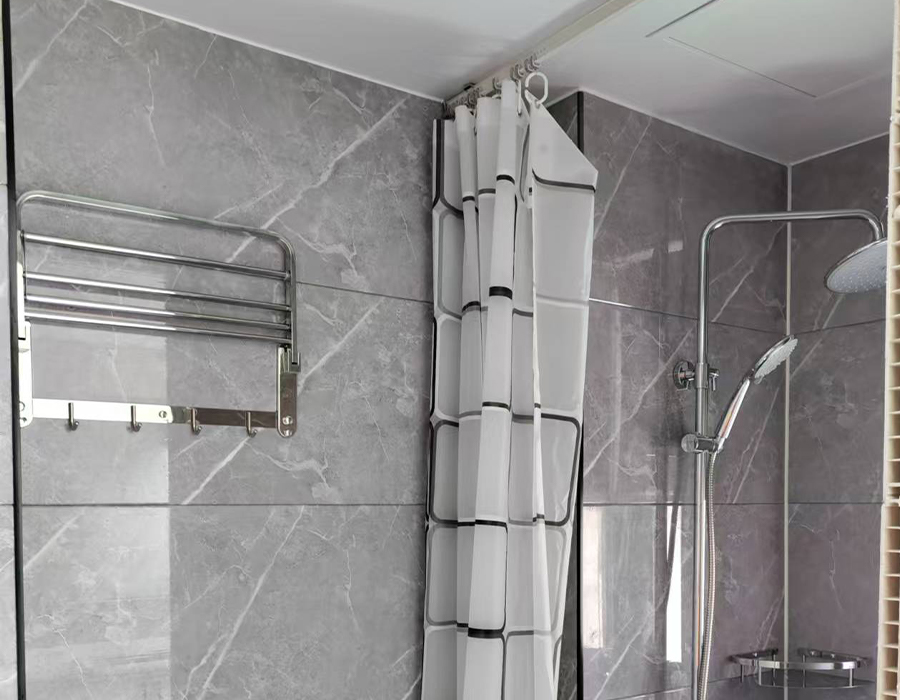 PEC Wall Board Horizontal Prefabricated Modular Sanitary Bathrooms
-
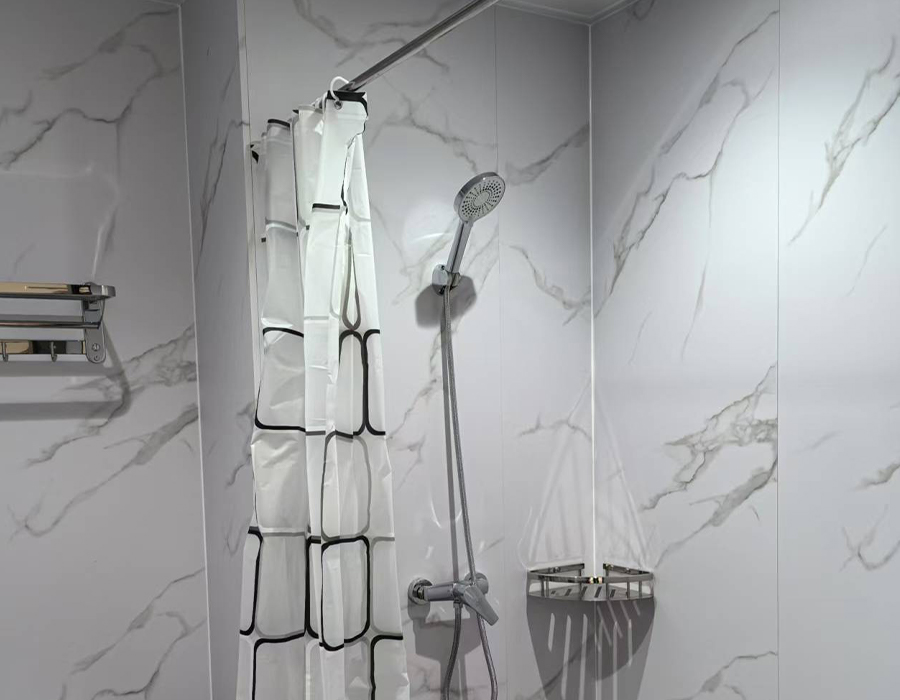 PEC Wall Board Vertical Prefab Integrated Bathroom
-
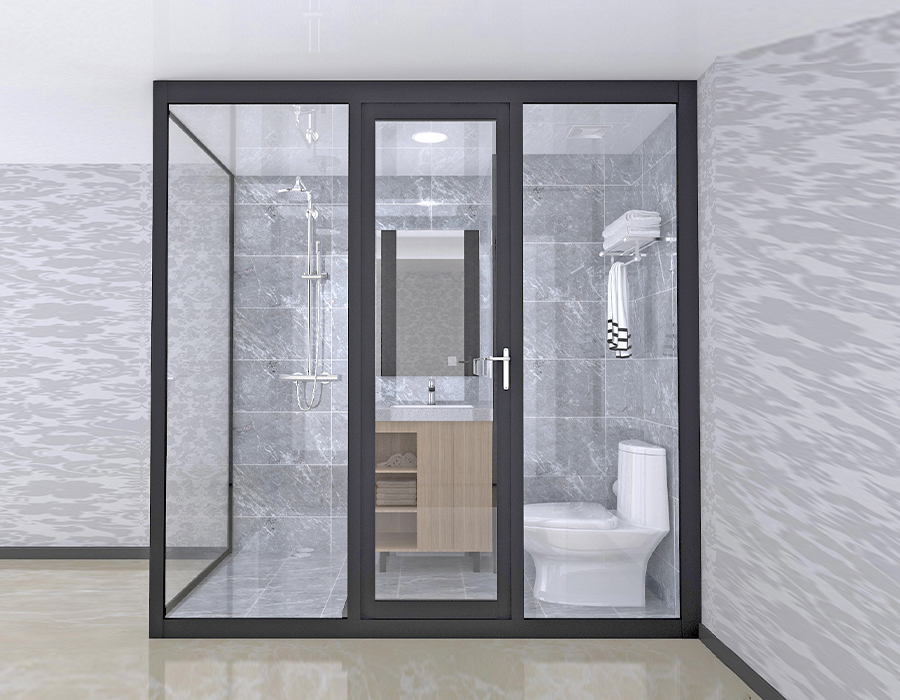 Exterior Wall Glass Assembly Bathroom
-
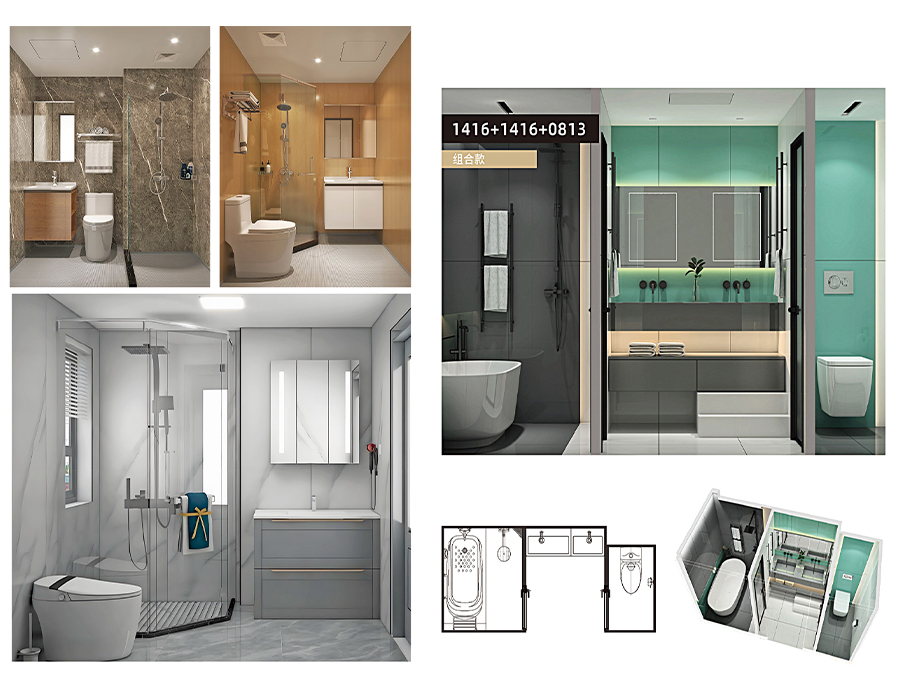 Single Color Multicolor SMC All-in-one Prefab Bathroom
-
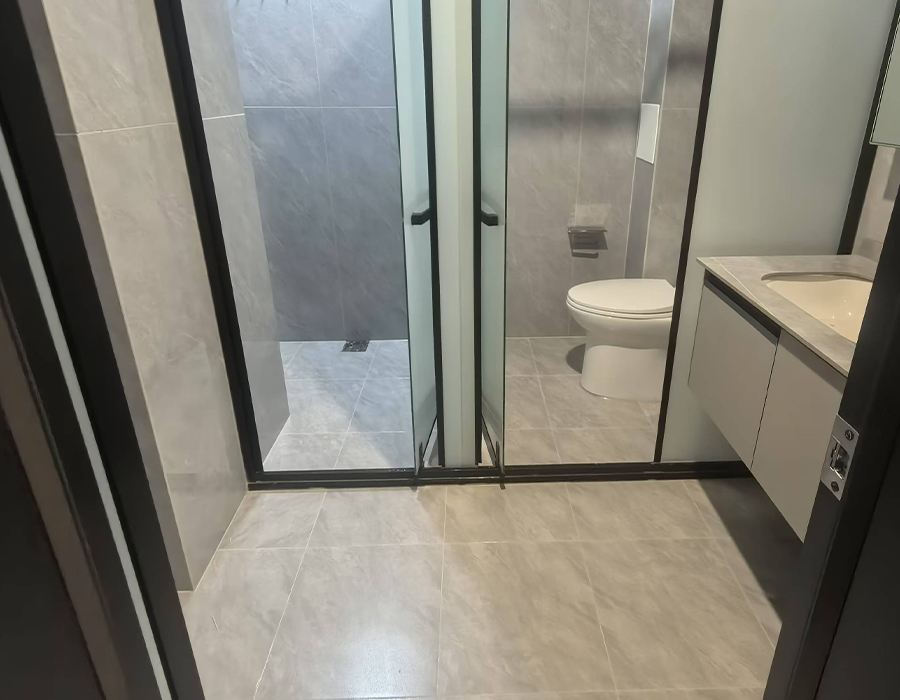 Ceramic Tile Rock Slab Surface Prefabricated Bathroom Pods
-
BS1115
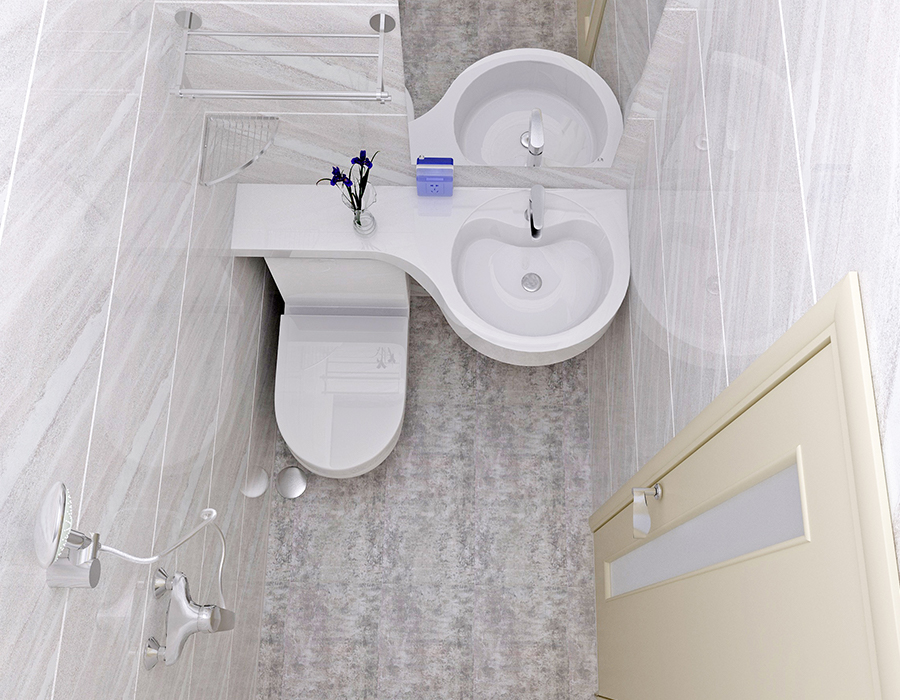 Social Housing Integrated Bathroom with Full Resin Fiber Panel Structure
-
BS1216
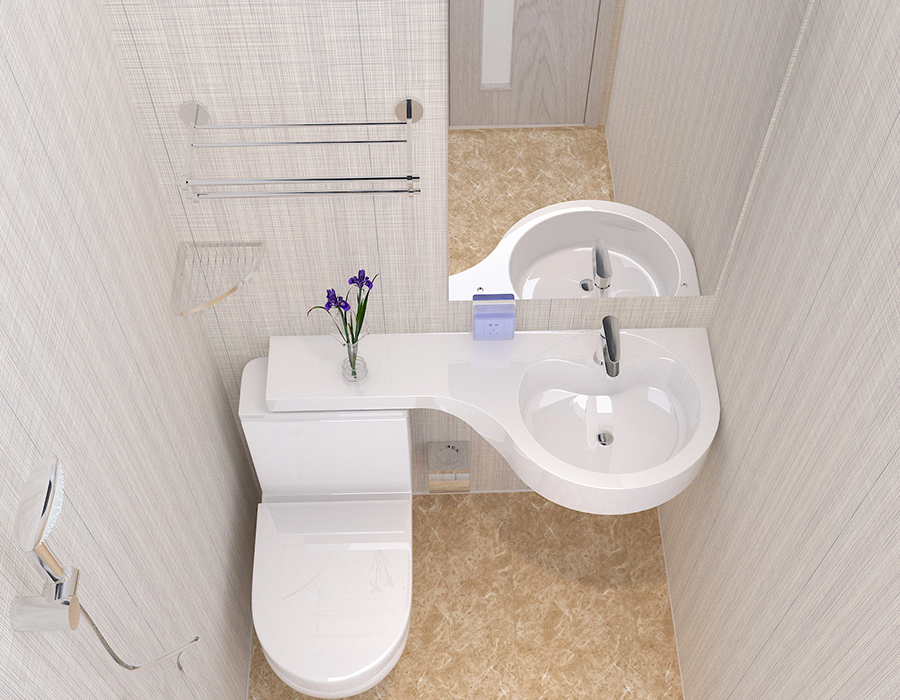 Full-Panel PEC Resin Fiber Hotel Modular Prefabricated Bathroom Unit
-
BS1220
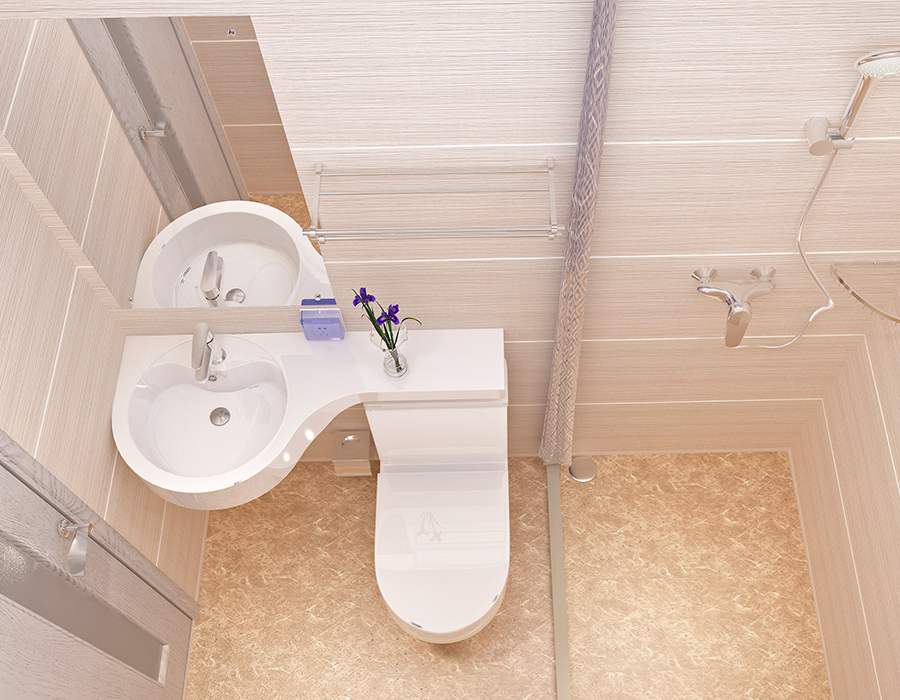 Hotel Modular Bathroom with Full PEC Resin Fiber Panel Construction
-
BS1317
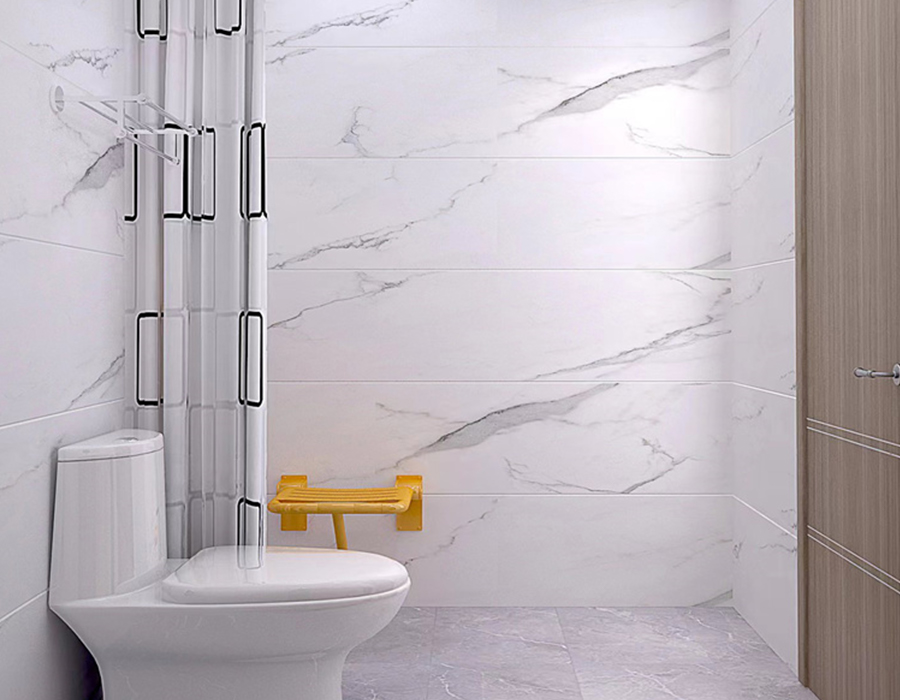 Modular Integrated Bathroom for Nursing Homes
-
BS1321
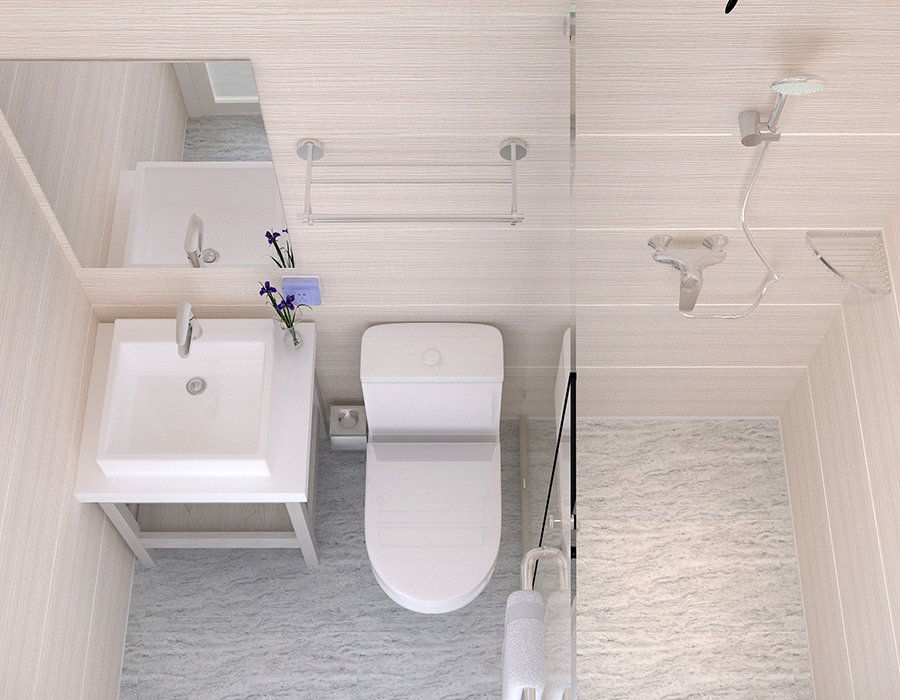 Modular Bathroom with Full Panel Construction for Quick Installation
-
BS1517
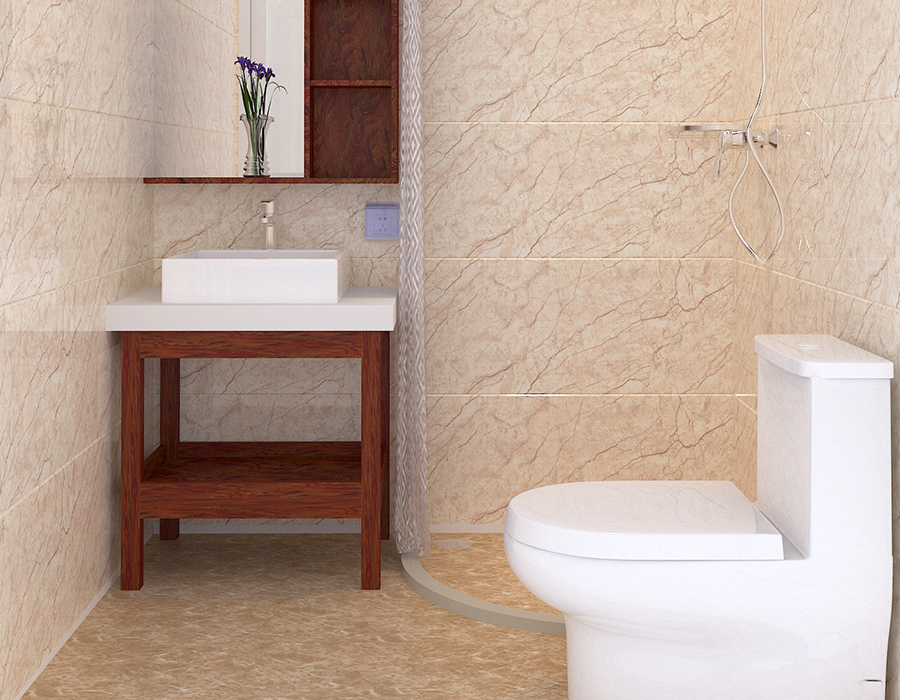 Quick-Install Modular Bathroom Featuring PEC Resin Fiber Inner Panels
-
BS1519
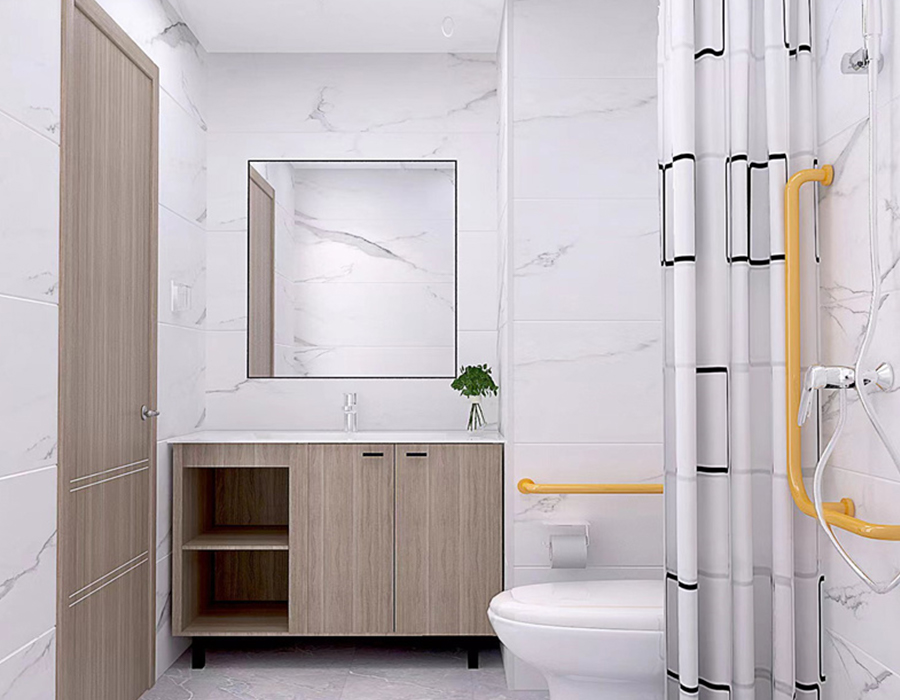 All-Panel PEC Resin Fiber Modular Bathroom
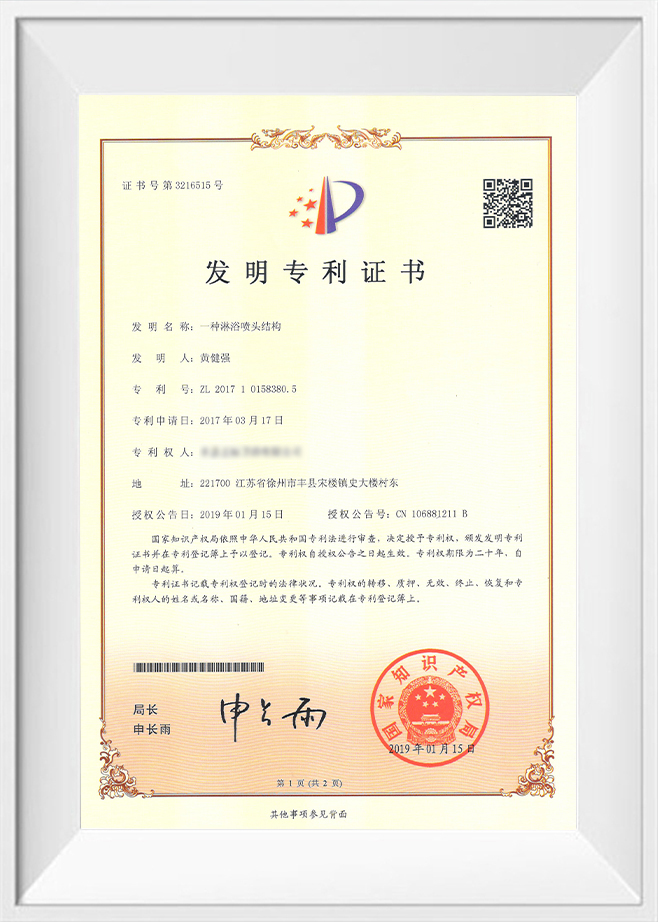
Jiangsu Kounor Home Technology Co., Ltd. is China Custom Luxury Quick-Install Prefab Modular Bathroom Manufacturers and Prefab Integrated Bathroom Suppliers, located in Songlou Industrial Park, Feng County, Xuzhou City, Jiangsu Province, boasts a registered capital of 10 million RMB and fixed assets exceeding 50 million RMB. As one of China's pioneering enterprises in integrated bathroom production, the company specializes in three core sectors: prefabricated bathrooms, prefabricated kitchens, and prefabricated wall panels. It serves public rental housing, affordable housing, university/enterprise apartment dormitories, premium residential projects, hotel apartments, prefabricated public restrooms, and medical/nursing facilities. Since its establishment, the company has focused on R&D, design, production, sales, and service of prefabricated building solutions for interior decoration. We offer Prefabricated Modular Bathroom for sale.
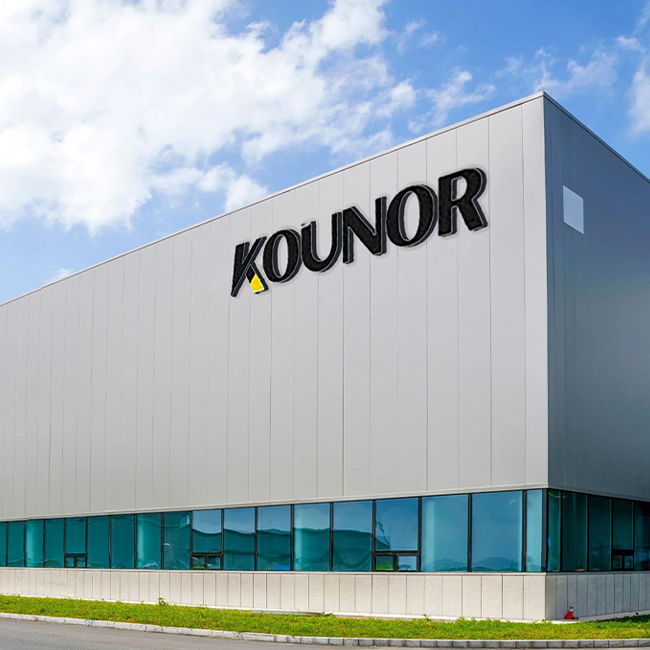
manufacture high-quality integrated bathrooms!
How is waterproofing handled in a Quick-Install Prefab Integrated Bathroom?
In modern construction and residential design, quick-install prefab integrated bathroom solutions are increasingly favored for their efficiency, durability, and flexibility. Among the many advantages, waterproofing is one of the most critical technical aspects, directly affecting the longevity, hygiene, and safety of these installations.
Overview of Quick-Install Prefab Integrated Bathrooms
A quick-install prefab integrated bathroom is an independent sanitary unit formed by combining a waterproof chassis, wall panels, top plates, and functional sanitary equipment. Prefabricated in factories and assembled on-site, this modular approach allows for faster installation compared with traditional bathroom construction. Typically, only two people can assemble a complete bathroom in 4–8 hours, minimizing disruption and on-site construction waste.
These bathrooms are designed for diverse applications, including residential apartments, hotels, office buildings, and public facilities. Their growing popularity reflects their environmental efficiency, fast installation, and long-term durability, which are all closely tied to the quality of waterproofing implemented during production.
Materials Used for Waterproofing
Waterproofing in a quick-install prefab integrated bathroom begins with the selection of durable, water-resistant materials. The chassis and structural frame are often manufactured from composite materials such as glass fiber reinforced plastic (GRP), aluminum alloy, and calcium silicate boards. These materials provide:
- High structural precision, reducing gaps where water could seep through.
- Resistance to aging and corrosion, ensuring long-term waterproof performance.
- Smooth surfaces, simplifying cleaning and maintenance while reducing bacterial growth.
Wall panels and top plates also contribute to waterproofing. Panels are typically treated with hydrophobic coatings or laminated with waterproof layers to prevent water infiltration into joints and seams.
| Component | Material | Waterproofing Function |
|---|---|---|
| Chassis | GRP, aluminum alloy | Forms a continuous waterproof base |
| Wall panels | Laminated composite boards | Prevents moisture penetration |
| Top plates | Ceramic or waterproof laminate | Seals the upper boundary against water ingress |
| Seals and joints | Silicone or EPDM gaskets | Provides leak-proof connections between modules |
Construction Techniques for Waterproofing
The waterproofing performance of a quick-install prefab integrated bathroom is ensured not only by materials but also by precise construction techniques. Prefabricated bathrooms are assembled in a modular, building block style, which eliminates the uncertainties associated with on-site construction. Key techniques include:
Prefabricated Waterproof Chassis
The chassis is often manufactured in one piece using CNC machinery, which ensures uniform thickness, flatness, and continuity. This precision reduces the risk of leaks caused by human error, as seen in traditional bathrooms.
Seamless Panel Installation
Wall panels and top plates are installed with overlapping joints and waterproof sealants to prevent water penetration. High-quality gaskets and silicone-based adhesives are used at corners, edges, and junctions to ensure a complete water barrier.
Dry Construction Method
Unlike conventional wet construction that relies on mortar and tiles, a prefabricated bathroom employs a dry construction method, which inherently reduces moisture-related issues during installation. This approach avoids prolonged curing periods and prevents water from seeping into underlying structures.
Integration with Plumbing
Waterproofing also involves careful coordination with plumbing fixtures. Drainage systems are designed to channel water efficiently to the main outlet, and all pipe penetrations are sealed with waterproof sleeves or gaskets to avoid leakage at connection points.
Design Considerations Enhancing Waterproofing
Design plays a crucial role in waterproof performance. In a quick-install prefab integrated bathroom, several design features contribute to superior waterproofing:
- Functional Separation: Wet and dry areas are clearly distinguished, minimizing water exposure to sensitive zones such as electrical outlets or storage cabinets.
- Barrier-Free Layouts: Smooth transitions and level floors help direct water flow toward drains.
- Customizable Configurations: Prefabricated units can be tailored to ensure proper slope and drainage in each specific installation scenario.
Additionally, the integration of showers, bathtubs, and toilets into a single waterproof chassis eliminates multiple potential leak points, a common issue in traditional bathrooms.
Advantages of Factory-Based Waterproofing
One of the main reasons quick-install prefab integrated bathroom waterproofing is highly reliable is the factory-controlled environment. In factories:
- Materials are precisely cut and assembled, ensuring tight tolerances and consistent quality.
- Waterproof coatings and sealants are applied under controlled conditions, improving adhesion and durability.
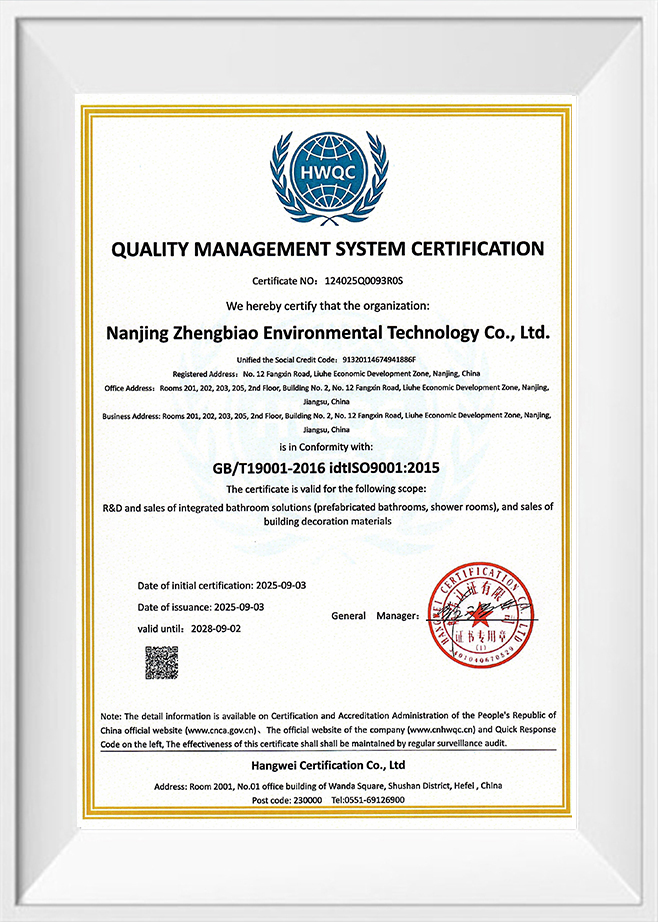
- Quality checks and ISO-certified processes (such as ISO 9001) verify that every unit meets stringent waterproofing standards before shipping.
This controlled environment ensures that installations achieve performance levels difficult to replicate in on-site construction, significantly reducing long-term maintenance needs.
Comparative Analysis: Prefabricated vs. Traditional Bathrooms
| Feature | Prefabricated Bathroom | Traditional Bathroom |
|---|---|---|
| Waterproofing Method | Factory-integrated waterproof chassis, precise gaskets, sealed joints | On-site applied waterproof layers, manual sealing |
| Installation Time | 4–8 hours | Several days to weeks |
| Quality Consistency | High, due to factory control | Variable, dependent on worker skill |
| Maintenance | Low, due to uniform materials and precise assembly | Higher, potential for leaks and seepage over time |
| Environmental Impact | Minimal construction waste | High, due to mortar, tiles, and on-site water use |
From this comparison, it is evident that prefabricated solutions offer superior waterproofing reliability while also reducing construction time and environmental impact.
Application Scenarios
Quick-install prefab integrated bathrooms are ideal for environments where fast installation, long-term waterproofing, and maintenance efficiency are essential. Typical applications include:
- Residential complexes, particularly public rental housing and affordable apartments
- Hotels and serviced apartments, where consistent waterproof performance is critical
- Medical and nursing facilities, requiring hygienic and leak-free conditions
- University dormitories or enterprise apartments, where repeated use demands durable solutions
By ensuring effective waterproofing, these bathrooms provide safe, hygienic, and reliable facilities across various building types.
Conclusion
Waterproofing in a quick-install prefab integrated bathroom is achieved through a combination of high-quality materials, precise factory construction, thoughtful design, and controlled installation techniques. By integrating the chassis, panels, and top plates with seamless joints and durable gaskets, these prefabricated bathrooms deliver superior waterproof performance compared with traditional bathrooms.
The use of composite materials, dry construction methods, and factory-level quality control ensures that these units are not only fast to install but also durable, environmentally friendly, and low-maintenance. For residential, commercial, or institutional buildings, quick-install prefab integrated bathrooms represent a modern, efficient, and reliable solution for long-term water management and interior hygiene.



-
 10 Jul, 2026Jiangsu, China — Jiangsu Kounor Home Technology Co., Ltd. is pleased to announce the successful shipment of our premium all-panel prefabricated bathrooms to Iraq. This delivery features our high-performance "All-Panel" bathroom solution, designed for modern, efficient construction. The project util...
 -
09 Jul, 2026What Defines a Prefab Integrated Bathroom System A prefab integrated bathroom is a fully enclosed sanitation unit manufactured off-site as a complete module, then delivered and set in place as a single piece. Unlike conventional restroom construction, where walls, plumbing, and fixtures are assembl...
-
07 Jul, 2026We are proud to announce the successful delivery and installation of our SMC (Sheet Molding Compound) prefabricated bathroom units for the prestigious Qinhuangdao Future Center project. Since being put into use, the units have received outstanding feedback for their quality, efficiency, and design....

Copyright © 2025 Jiangsu Kounor Home Technology Co., Ltd.
All Rights Reserved.
Custom Prefabricated Modular Bathroom Suppliers
