
 English
 русский
 عربى
عربىCustom Prefabricated Modular Construction Manufacturers
-
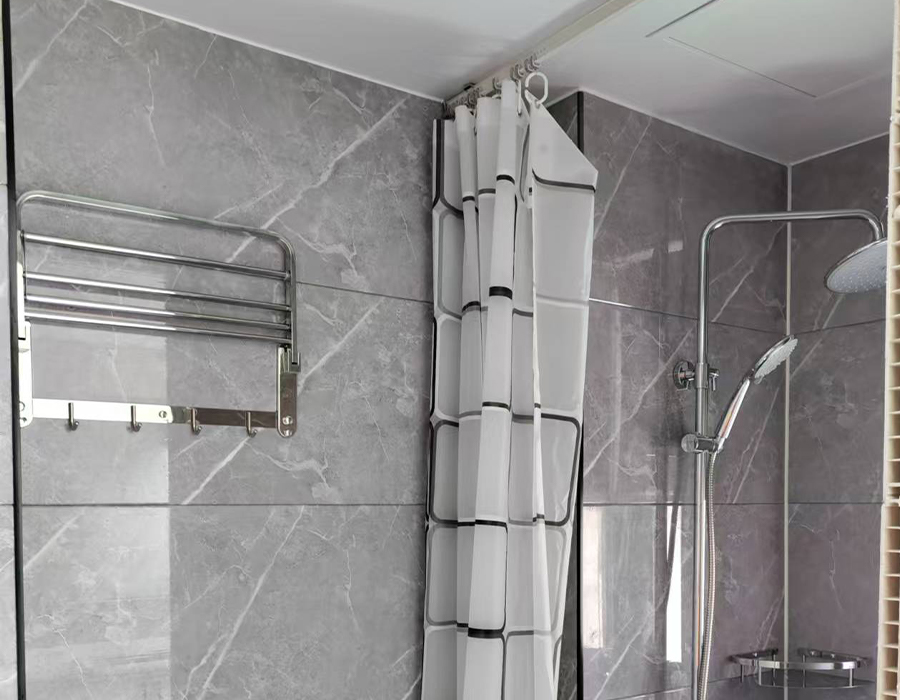 PEC Wall Board Horizontal Prefabricated Modular Sanitary Bathrooms
-
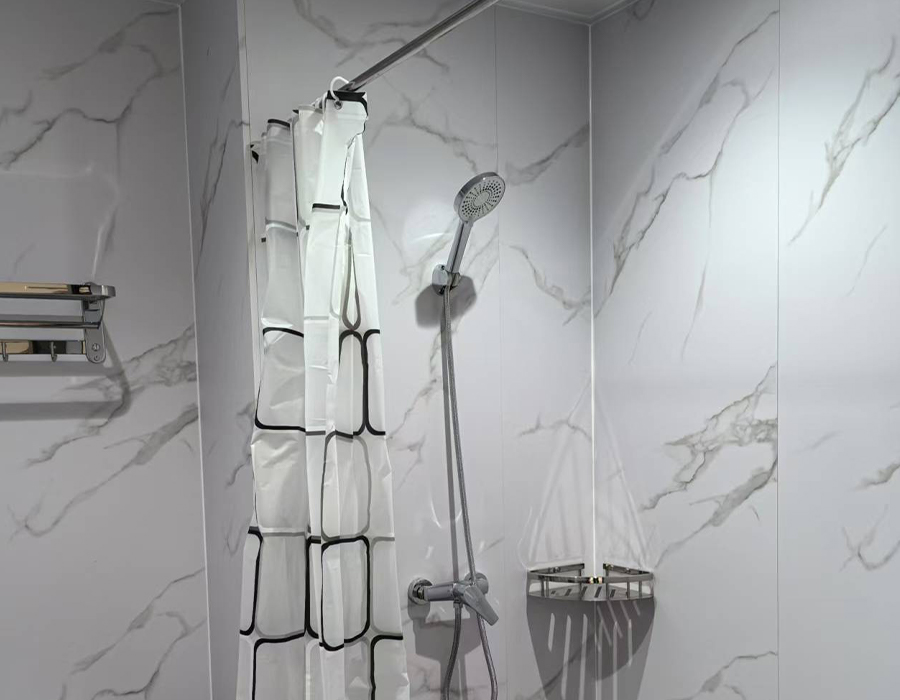 PEC Wall Board Vertical Prefab Integrated Bathroom
-
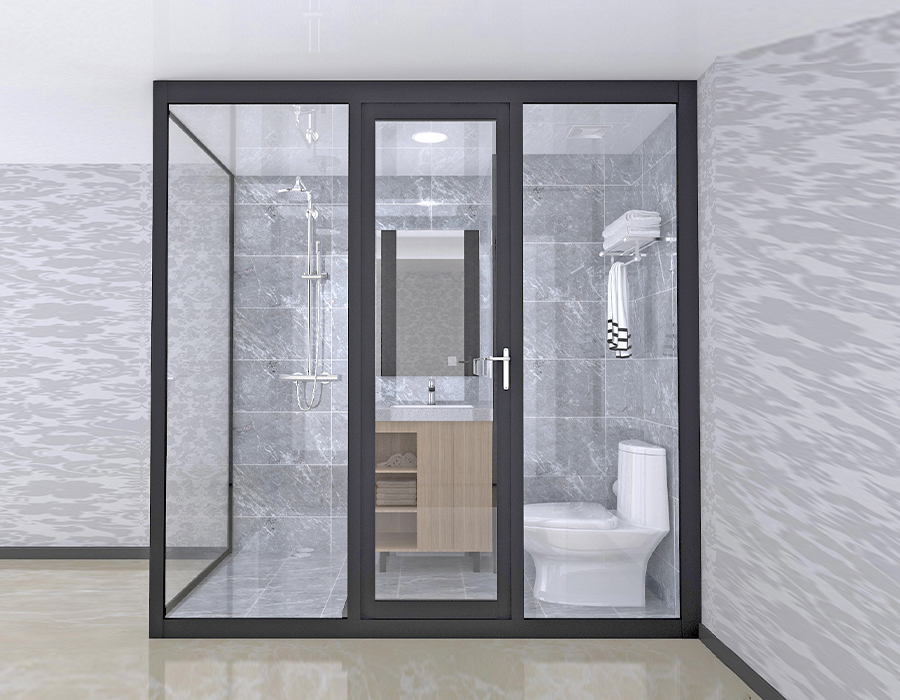 Exterior Wall Glass Assembly Bathroom
-
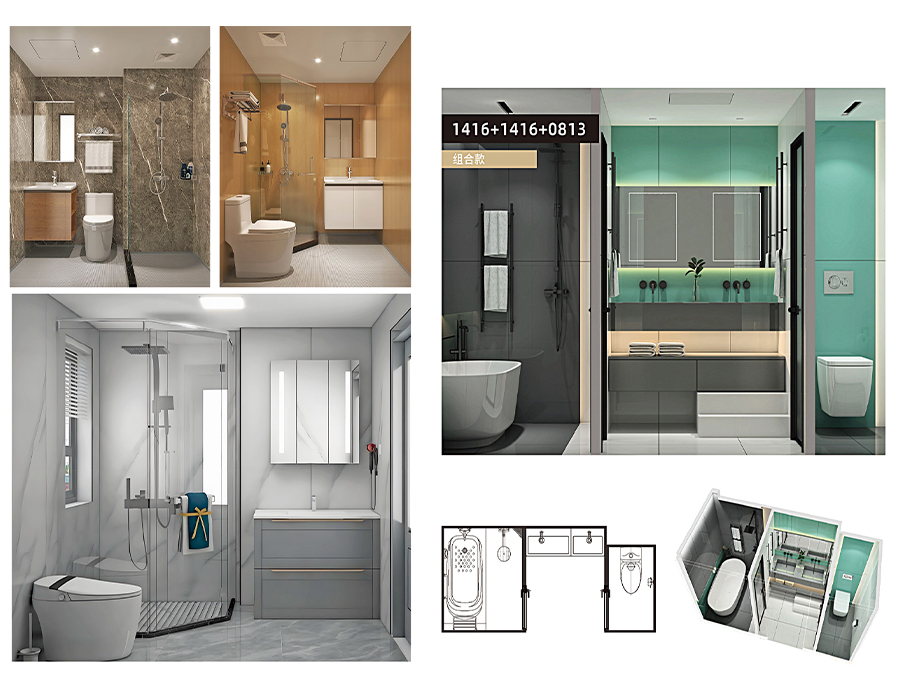 Single Color Multicolor SMC All-in-one Prefab Bathroom
-
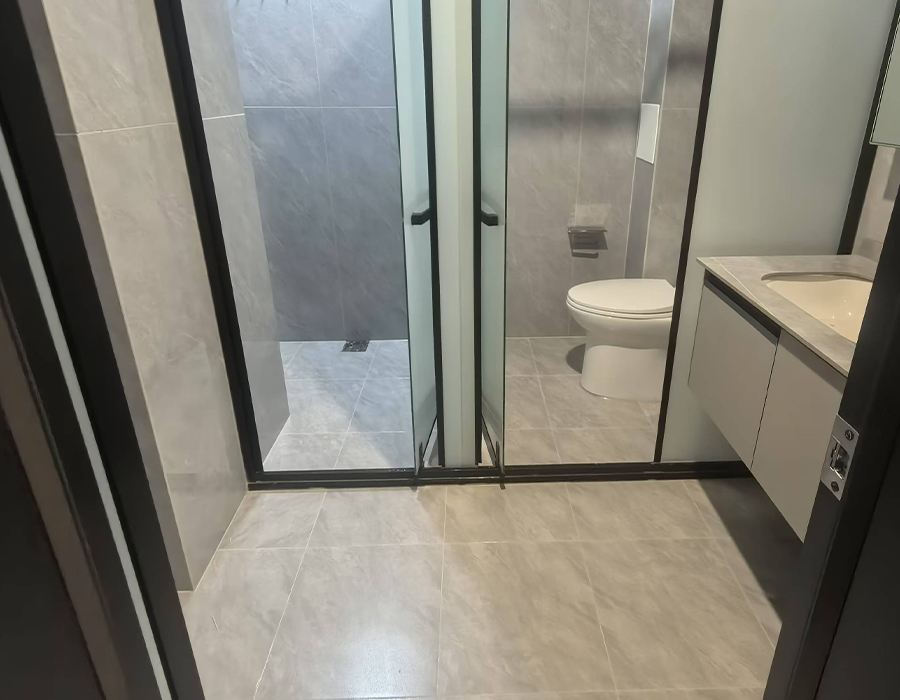 Ceramic Tile Rock Slab Surface Prefabricated Bathroom Pods
-
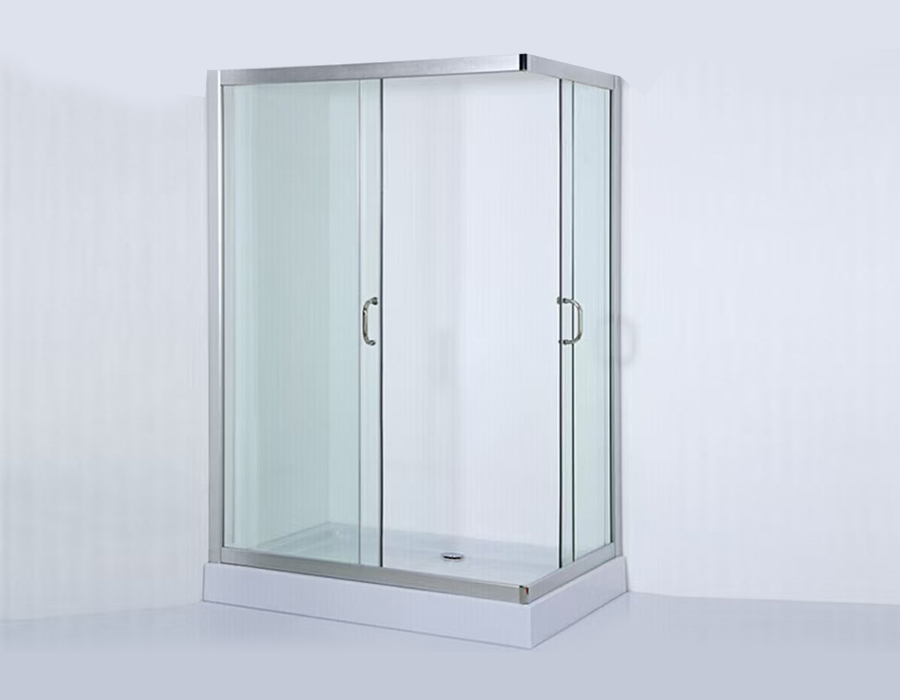 Sheet Glass All-in-one Prefabricated Shower Enclosures
-
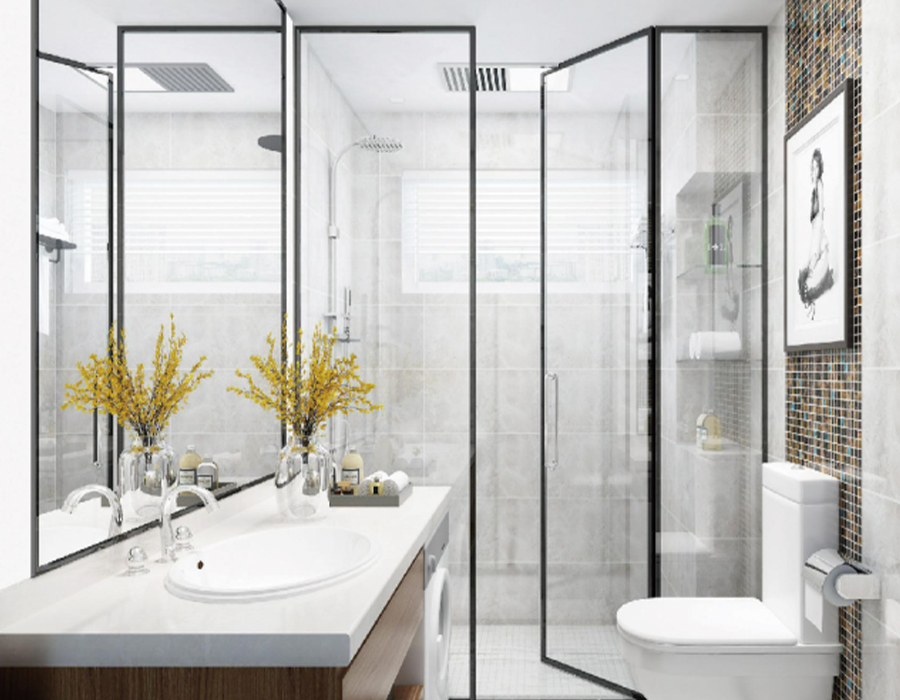 Metal Frame Simple Prefab Shower Room/Shower Partition Room
-
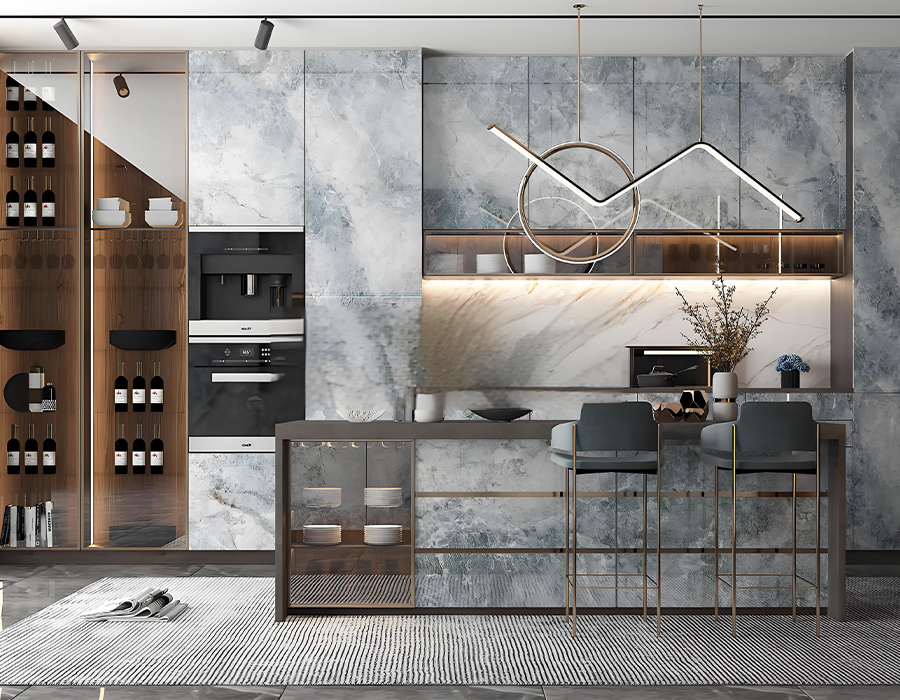 Calcium Silicate Prefab Integrated Kitchen
-
 Ceramic Tile Prefab Modular Kitchen Units
-
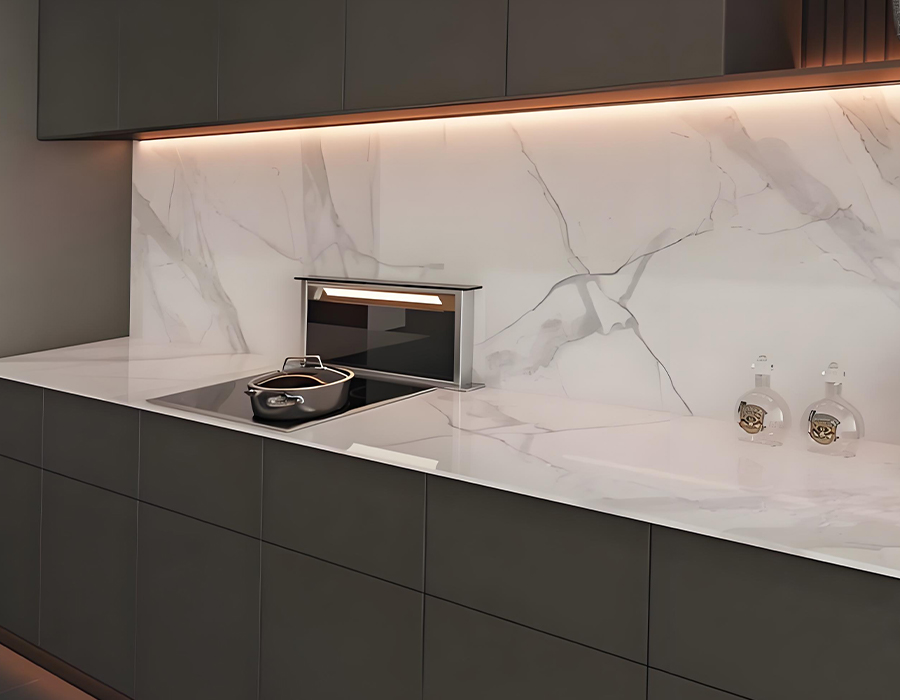 PEC Wall Panel Prefabricated Kitchen Pods
-
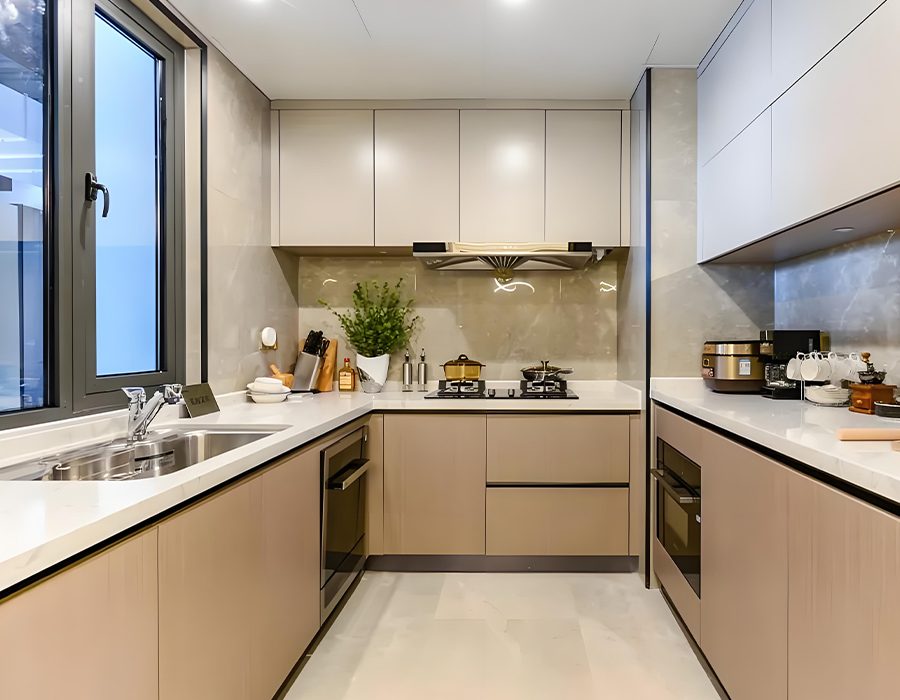 Stone Slab Wall Panel Integrated Kitchen
-
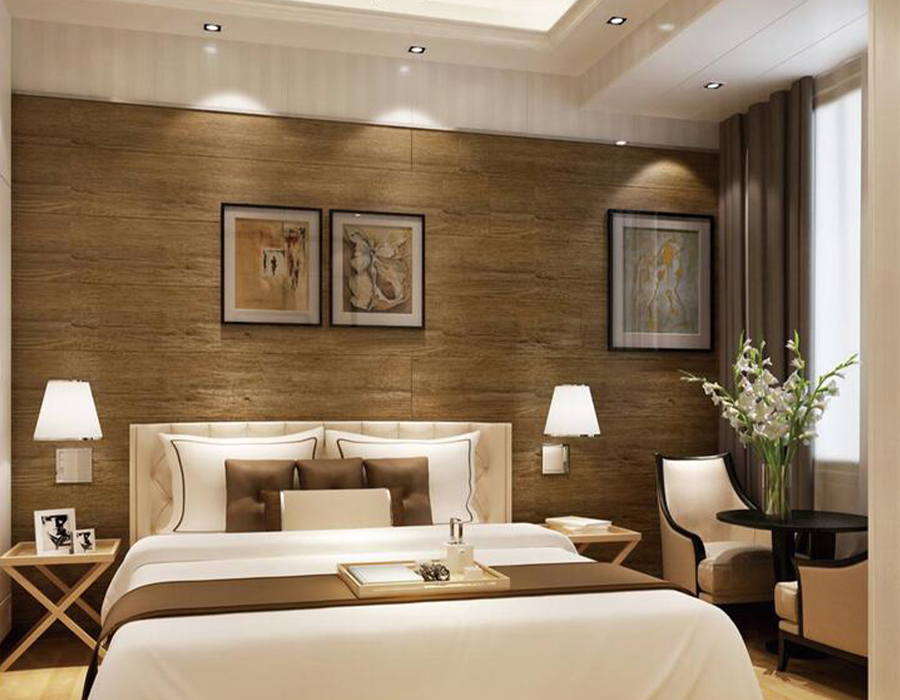 Hollow PEC Wall Panel
Jiangsu Kounor Home Technology Co., Ltd. is China Custom Prefabricated Architecture Manufacturers and Prefabricated Modular Construction Suppliers, located in Songlou Industrial Park, Feng County, Xuzhou City, Jiangsu Province, boasts a registered capital of 10 million RMB and fixed assets exceeding 50 million RMB. As one of China's pioneering enterprises in integrated bathroom production, the company specializes in three core sectors: prefabricated bathrooms, prefabricated kitchens, and prefabricated wall panels. It serves public rental housing, affordable housing, university/enterprise apartment dormitories, premium residential projects, hotel apartments, prefabricated public restrooms, and medical/nursing facilities. Since its establishment, the company has focused on R&D, design, production, sales, and service of prefabricated building solutions for interior decoration. We offer One-stop Modular Kitchen and Bathroom Solution for sale.
manufacture high-quality integrated bathrooms!
What types of buildings can be created using prefabricated modular construction?
Prefabricated modular construction has emerged as a transformative approach in the building industry, offering efficiency, cost-effectiveness, and high-quality results. Prefabricated modular construction involves manufacturing building modules in a controlled factory environment and then transporting them to the construction site for assembly. This method significantly reduces construction timelines while maintaining strict quality standards.
In China, Jiangsu Kounor Home Technology Co., Ltd. has been a pioneering force in this sector, particularly in interior prefabrication, including bathrooms, kitchens, and wall panels. Their expertise demonstrates the adaptability of prefabricated modular construction across diverse building types.
1. Residential Buildings Using Prefabricated Modular Construction
Public Rental Housing and Affordable Housing
Prefabricated modular construction is increasingly applied in public rental housing and affordable housing projects due to its cost-efficiency and speed of assembly. Modules are produced in factory conditions, ensuring uniform quality and compliance with safety standards.
Advantages include:
- Reduced construction waste
- Shorter project timelines
- Consistent quality for mass housing developments
By integrating prefabricated bathrooms, kitchens, and wall panels, developers can deliver functional and comfortable living spaces that meet modern residential standards.
University and Enterprise Dormitories
University and enterprise dormitories benefit from the modular construction method because of its scalability and flexibility. Prefabricated modular construction allows rapid installation of multiple identical units, ideal for student or employee accommodation.
Key features:
- Standardized modules can be customized to meet diverse occupancy needs
- Reduced site disruption during construction
- Easy future expansion or reconfiguration
Premium Residential Projects
High-end residential projects increasingly adopt prefabricated modular construction for interior decoration efficiency. With the support of factory-manufactured integrated bathrooms and kitchens, developers can maintain precision in design while ensuring timely project completion.
Benefits include:
- Enhanced design accuracy for mid-to-high-end homes
- Streamlined interior finishing processes
- Reduced labor dependency on site
2. Commercial Buildings and Hospitality
Hotel Apartments and Serviced Residences
Hotel apartments and serviced residences demand fast construction without compromising quality. Prefabricated modular construction allows developers to install entire room modules, including fully finished bathrooms and kitchens, directly on-site.
Advantages:
- Shorter construction periods, enabling faster occupancy
- Standardized room quality across multiple floors
- Flexible configurations to accommodate hotel layouts
Prefabricated Public Restrooms
Urban infrastructure increasingly incorporates prefabricated modular solutions for public restrooms. Factory-built modules facilitate installation in parks, commercial centers, and transport hubs, maintaining hygiene and functional standards.
Key considerations:
- Durability and weather resistance
- Ease of maintenance and replacement
- Standardized components for rapid deployment
Medical and Nursing Facilities
Medical and nursing facilities require precision in space planning, hygiene, and safety. Prefabricated modular construction supports the rapid deployment of hospitals, clinics, and eldercare facilities, incorporating ready-to-use bathrooms and kitchens to meet operational needs.
Benefits include:
- Faster setup for emergency or temporary medical facilities
- Consistent compliance with health and safety regulations
- Flexibility to expand or reconfigure units as needed
3. Educational and Institutional Buildings
Educational institutions, including primary, secondary, and tertiary campuses, can leverage prefabricated modular construction to create classrooms, laboratories, and dormitories.
Key advantages:
- Rapid construction reduces academic disruption
- Controlled manufacturing ensures high-quality interiors
- Modular design allows for future expansion as student populations grow
Institutional facilities, such as administrative buildings, auditoriums, and libraries, also benefit from the standardization and repeatable efficiency inherent in modular construction.
4. Industrial and Office Buildings
Office Spaces
Prefabricated modular construction provides flexible solutions for office buildings, particularly those requiring rapid deployment or temporary structures. Prefabricated modules can be adapted for individual offices, meeting rooms, and shared workspaces.
Advantages:
- Quick installation minimizes business downtime
- Customizable interior modules, including integrated kitchenettes and restrooms
- Sustainability through controlled factory manufacturing
Light Industrial and Commercial Facilities
Warehouses, light factories, and small-scale production units can leverage modular construction to reduce setup times and operational disruption. Prefabricated walls, floors, and service modules enhance efficiency while ensuring compliance with safety and building codes.
5. Key Advantages of Prefabricated Modular Construction Across Building Types
| Advantage | Residential | Commercial | Institutional | Industrial |
|---|---|---|---|---|
| Speed of construction | ✓ | ✓ | ✓ | ✓ |
| Quality control | ✓ | ✓ | ✓ | ✓ |
| Reduced labor dependency | ✓ | ✓ | ✓ | ✓ |
| Flexibility for expansion | ✓ | ✓ | ✓ | ✓ |
| Standardized interior modules | ✓ | ✓ | ✓ | ✓ |
Across all building types, prefabricated modular construction reduces environmental impact, minimizes site waste, and ensures high standards of safety and comfort.
6. Future Trends in Prefabricated Modular Construction
The future of prefabricated modular construction is likely to focus on sustainability, digital integration, and greater modular customization. Technologies such as BIM (Building Information Modeling) and automated assembly systems are streamlining both design and on-site installation.
Incorporating eco-conscious design and systematic standardization, as demonstrated by Jiangsu Kounor Home Technology Co., Ltd., ensures that modular construction meets evolving market demands for efficiency, aesthetics, and sustainability.
Conclusion
Prefabricated modular construction offers versatile solutions across residential, commercial, institutional, and industrial buildings. Its ability to deliver consistent quality, reduce construction timelines, and support sustainable building practices makes it an increasingly preferred choice in modern architecture.
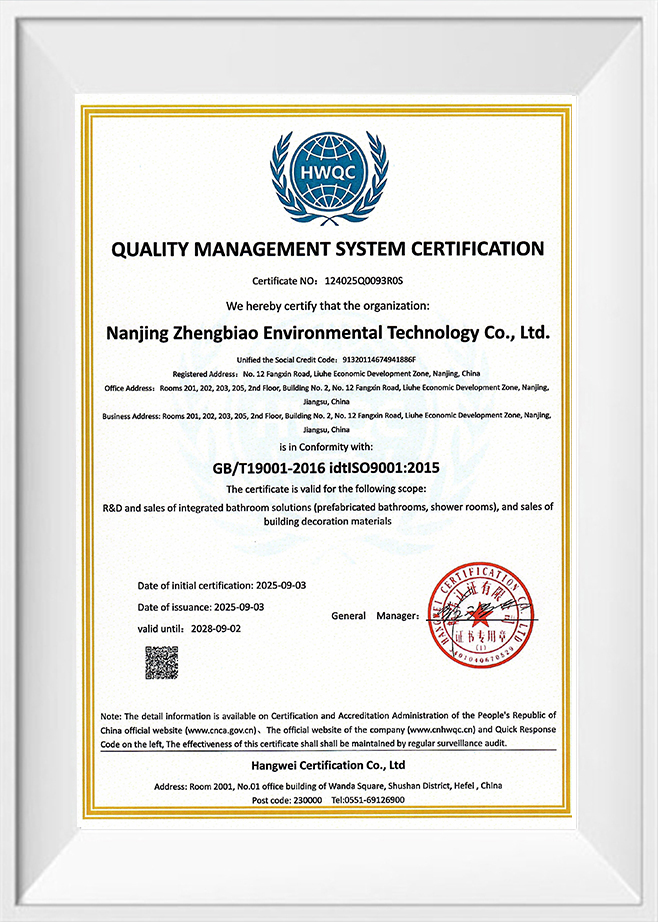
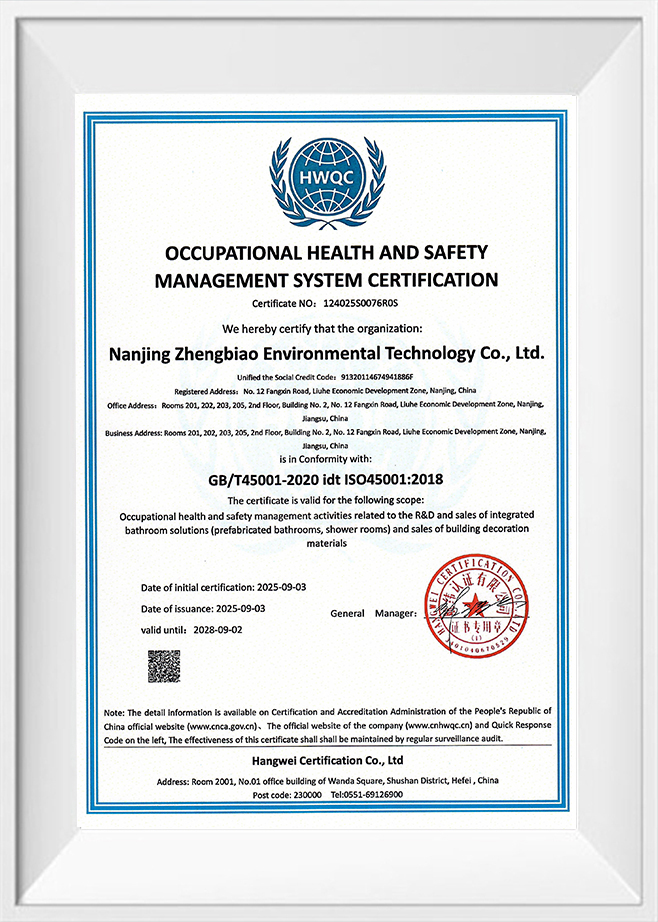
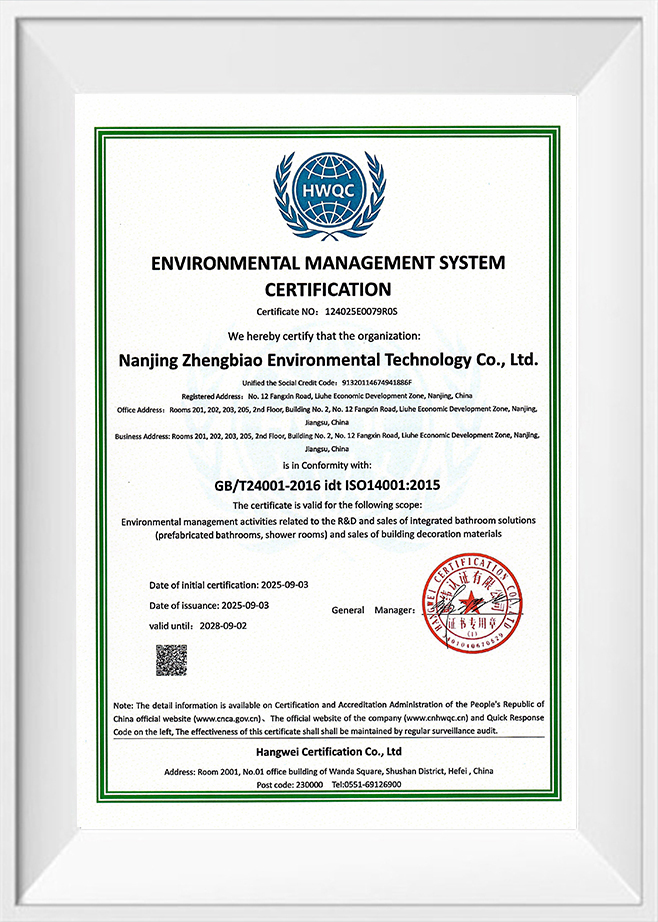
From affordable housing to high-end residential complexes, hotel apartments, public restrooms, and medical facilities, prefabricated modular construction continues to redefine the possibilities of efficient, high-quality building solutions. Companies like Jiangsu Kounor Home Technology Co., Ltd. illustrate how integrated modular solutions for bathrooms, kitchens, and wall panels can transform interior spaces while maintaining compliance with international quality and environmental standards.



-
 16 Jul, 2026Why Glass Thickness Is the First Decision in Any Shower Enclosure Most people shopping for a shower enclosure start with style. They look at hardware finishes, door swing direction, or whether a design looks modern enough for the bathroom. Glass thickness rarely comes up until later in the process,...
 -
10 Jul, 2026Jiangsu, China — Jiangsu Kounor Home Technology Co., Ltd. is pleased to announce the successful shipment of our premium all-panel prefabricated bathrooms to Iraq. This delivery features our high-performance "All-Panel" bathroom solution, designed for modern, efficient construction. The project util...
-
09 Jul, 2026What Defines a Prefab Integrated Bathroom System A prefab integrated bathroom is a fully enclosed sanitation unit manufactured off-site as a complete module, then delivered and set in place as a single piece. Unlike conventional restroom construction, where walls, plumbing, and fixtures are assembl...

Copyright © 2025 Jiangsu Kounor Home Technology Co., Ltd.
All Rights Reserved.
Custom One-stop Modular Kitchen and Bathroom Solution Suppliers
