English
 русский
 عربى
عربىPrefabricated Dormitory Bathroom Unit with Full PEC Resin Fiber Panel System
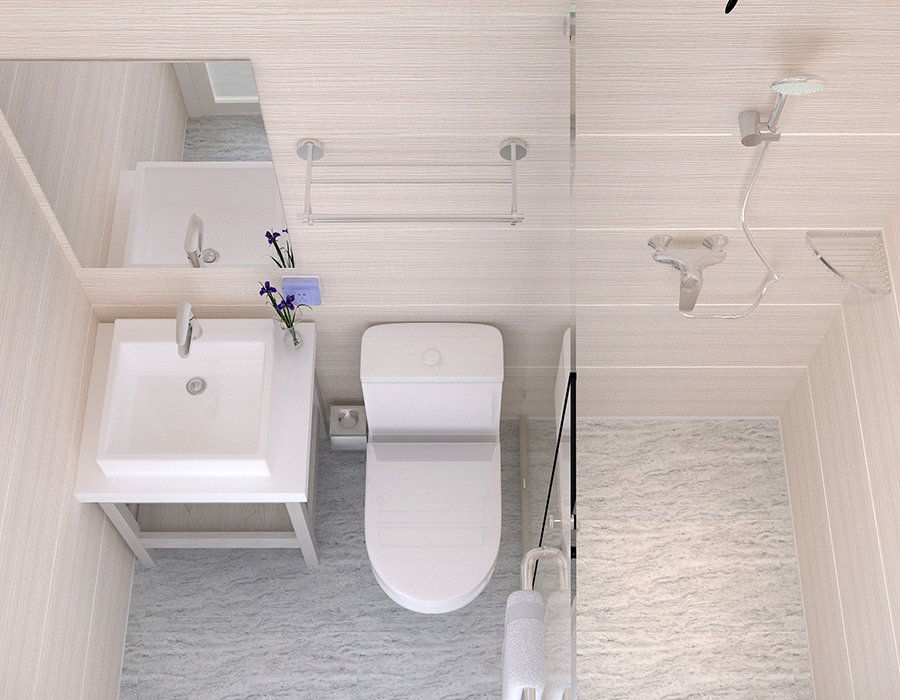
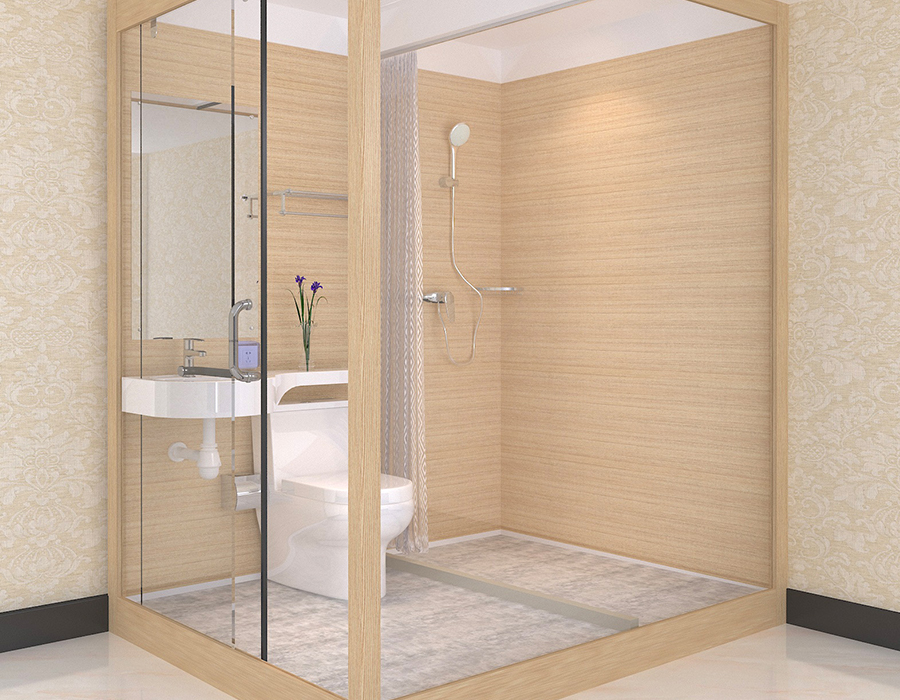
This product is an overall bathroom that integrates washing, toileting, showering, and other supporting facilities....
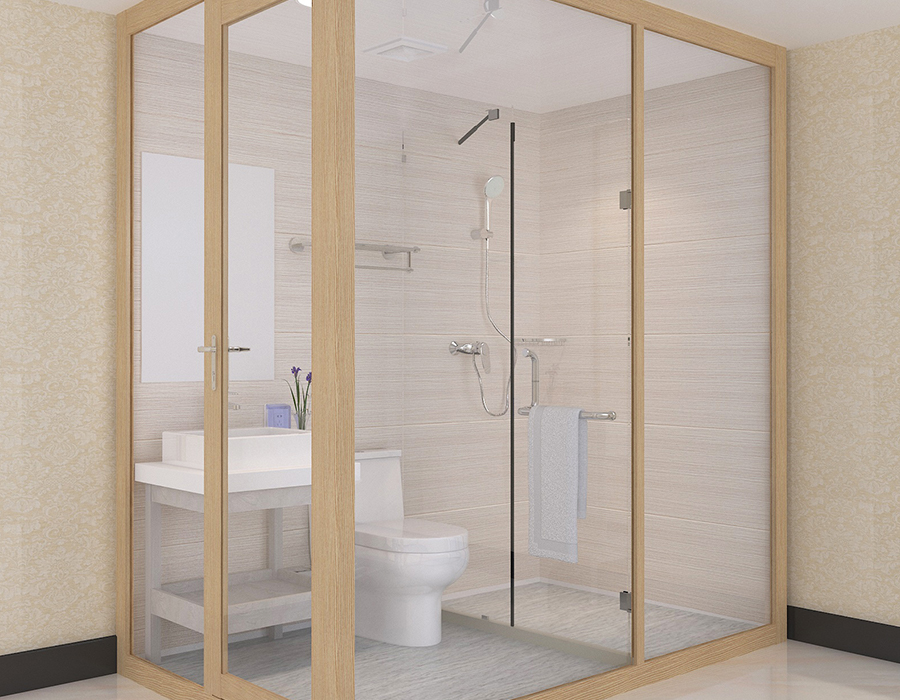
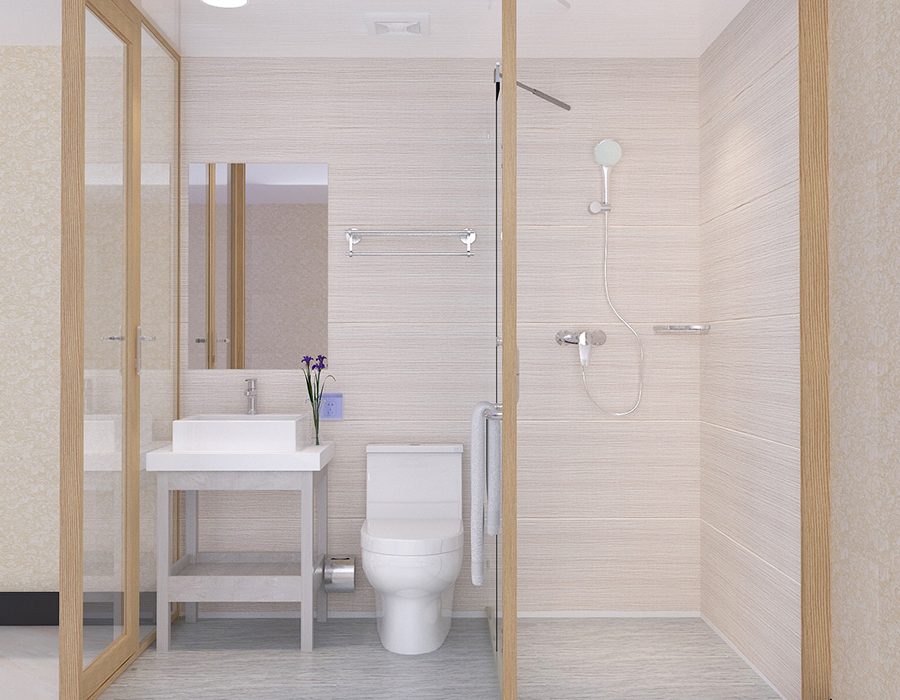
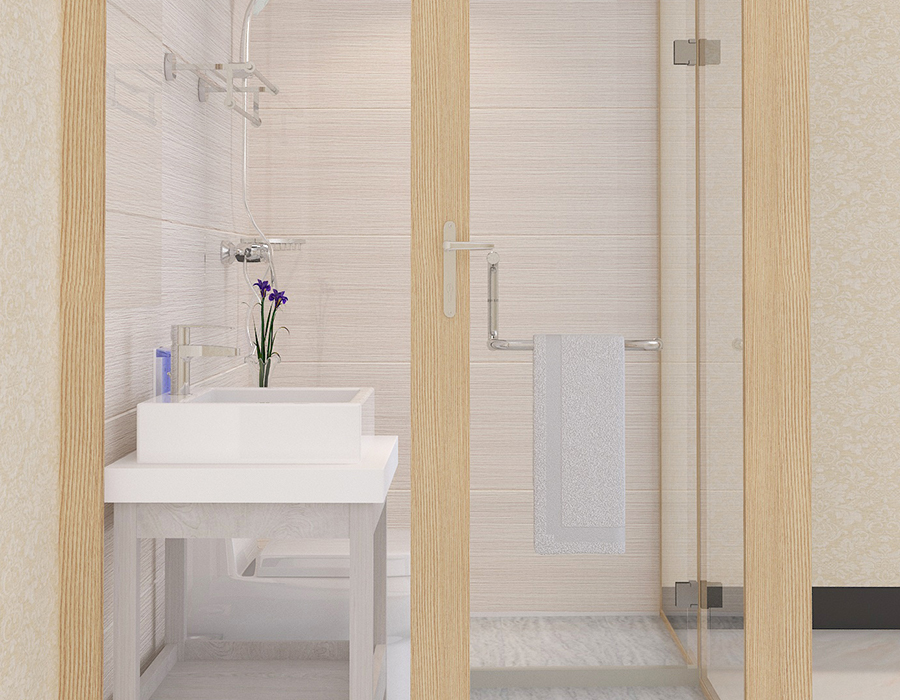
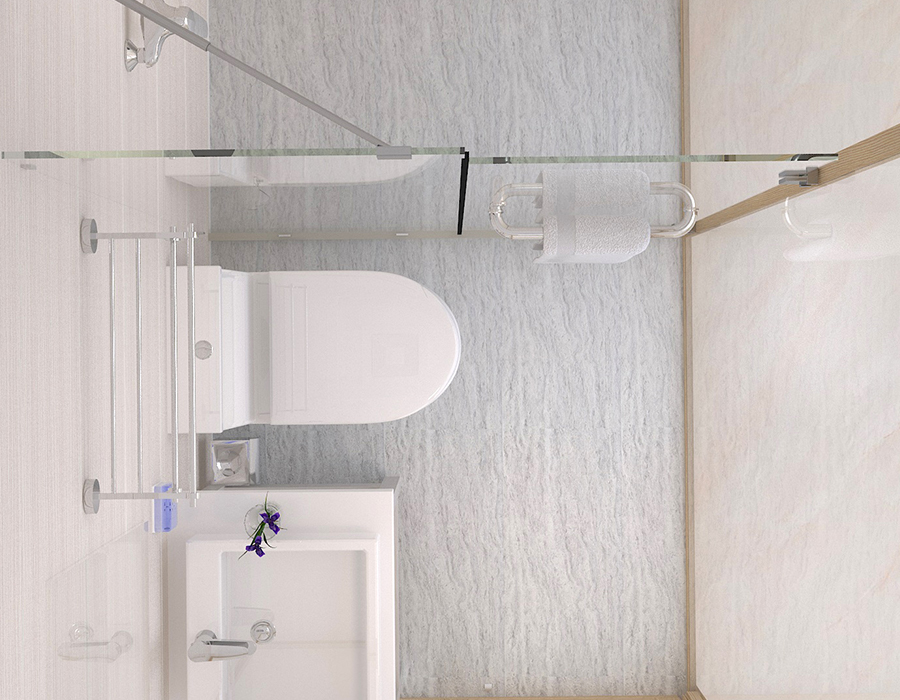
This product is an integrated bathroom that integrates washing, toileting, showering, and other supporting facilities. The floors, walls, and ceilings of its products are all made of new high-tech materials. The floor adopts an integrated waterproof cast chassis, and it also has an integrated water inlet and drainage system, which effectively prevents leakage and seepage. The colors of the floor, wall panels, and borders can be selected in a variety of ways, and the internal supporting facilities are of popular sizes and specifications, with reasonable design and easy use. The chassis drainage method can also be a direct downward or side drainage solution according to on-site needs. Currently, the products are used in finely decorated residences, affordable housing, dormitories, hotels, quick-installation rooms, hospitals, and other places. The appearance is exquisite, the installation is convenient and quick, and it is well recognized by the market.

| Product Name | Integrated Bathroom Solution with Full Panel System for Prefabricated Installations |
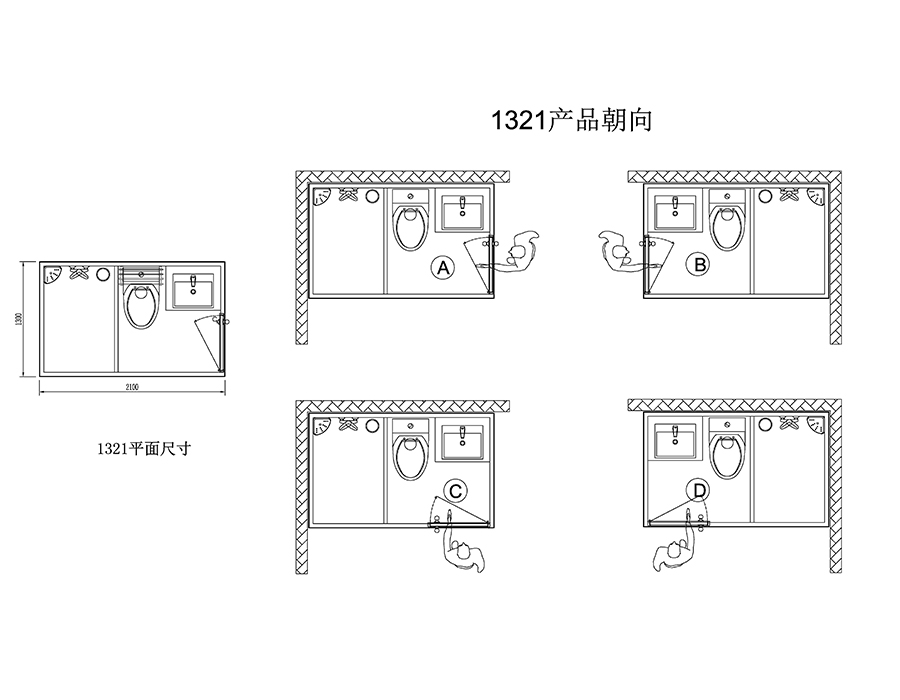
| Model code | BLS1321 |
| Model description | PEC resin fiber wall panel/RTM soft porcelain chassis + glass exterior wall model |
| Installation size | 2150*1350*2400 |
| Product size | 2100*1300*2400 |
Why Glass Thickness Is the First Decision in Any Shower Enclosure Most people shopping for a shower enclosure start with style. They look at hardware finishes, door swing direction, or whether a desi...
READ MOREJiangsu, China — Jiangsu Kounor Home Technology Co., Ltd. is pleased to announce the successful shipment of our premium all-panel prefabricated bathrooms to Iraq. This delivery features our high-perf...
READ MOREWhat Defines a Prefab Integrated Bathroom System A prefab integrated bathroom is a fully enclosed sanitation unit manufactured off-site as a complete module, then delivered and set in place as a sing...
READ MOREWe are proud to announce the successful delivery and installation of our SMC (Sheet Molding Compound) prefabricated bathroom units for the prestigious Qinhuangdao Future Center project. Since being p...
READ MOREExpert Guide 2026 Engineering insights into self-contained shower cubicles, modern enclosure systems, and easy-install shower pods Defining the Integrated Shower Ecosystem The contemporary bathro...
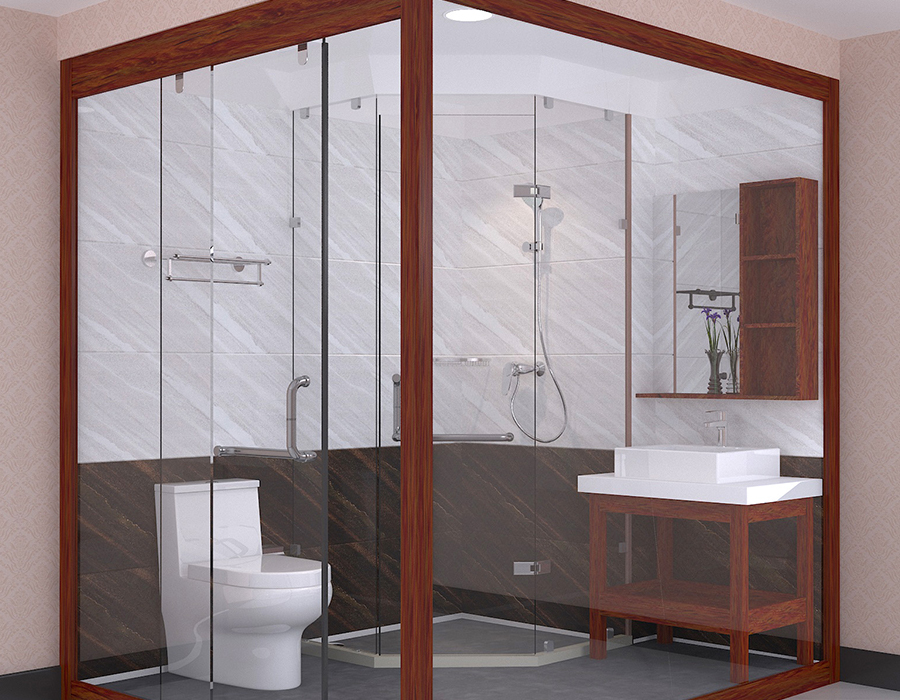
READ MOREIn contemporary architecture, the exterior glass prefabricated bathroom represents a significant evolution in both design and functionality. Moving beyond the traditional enclosed space, these prefabricated solutions provide modern, open, and aesthetically pleasing bathroom experiences. With their combination of aluminum alloy frames and tempered glass panels, they allow light to penetrate freely, creating an illusion of spaciousness while maintaining practical utility.
Structural design plays a pivotal role in ensuring these bathrooms are both safe and durable, particularly when installed in multi-unit residential complexes, hotels, medical facilities, or public rental housing.
One of the first structural considerations in an exterior glass prefabricated bathroom is material selection. The combination of aluminum alloy frames and tempered glass is standard due to its balance of strength, weight, and durability. Aluminum provides a lightweight yet rigid framework that resists corrosion, essential for bathrooms exposed to humidity. Tempered glass ensures safety; it is engineered to shatter into small, non-injurious pieces if broken, reducing the risk of injury.
The choice between frosted and translucent glass affects not only aesthetics but also structural load distribution. Frosted panels generally weigh slightly more due to surface treatment, requiring careful consideration of frame reinforcement.
The frame and wall structure of the bathroom must withstand static loads from the glass panels and dynamic loads from daily use. Proper load distribution is essential to prevent warping, cracking, or detachment over time. In high-rise or exterior installations, wind and environmental factors also contribute to structural stress, necessitating secure anchoring to the building framework.
A well-designed prefabricated bathroom ensures that the aluminum frame transfers weight evenly, mitigating concentrated pressure points that could compromise the glass or its mounts.
Anchoring methods are critical for both safety and longevity. Bolted or embedded fixtures must account for building settlement and potential vibrations. Prefabricated bathroom modules are often installed as a single unit, requiring precision alignment with floor slabs, walls, and ceilings. Inadequate anchoring can lead to misalignment, gaps, or structural failure.
Support systems also include internal braces and cross-members within the aluminum frame. These elements help maintain dimensional stability, ensuring that glass panels remain securely in place over the product’s lifespan.
When installed as an exterior bathroom module, exposure to the elements is a critical structural factor. Aluminum frames must be treated for corrosion resistance, while tempered glass panels require coatings or laminates that resist condensation and UV damage. Humidity management is equally important; excess moisture can compromise sealants or connections over time.
High-quality prefabricated bathrooms incorporate sealed joints and moisture-resistant materials, reducing the risk of structural degradation.
Aluminum and glass expand and contract at different rates under temperature variations. In an Exterior Glass Prefabricated Bathroom, designers must account for this differential to avoid stress fractures or warping. Proper joint design, expansion gaps, and flexible sealants are structural elements that mitigate thermal stress.
Safety considerations extend beyond material choice. The structural framework must prevent tipping, excessive vibration, or panel detachment. Impact resistance is essential, particularly in environments such as hotels, hospitals, or public facilities. Tempered glass, combined with a robust aluminum frame, ensures both functional safety and user confidence.
Structural design must accommodate plumbing without compromising stability. Prefabricated bathroom modules integrate water supply, drainage, and venting systems into preformed channels within walls and floors. These channels are reinforced to prevent leaks or structural weakness. Properly engineered support ensures that pipes do not exert additional stress on the glass panels or frame.
Electrical installations, including lighting, ventilation, and outlets, are embedded within the frame and wall panels. Structural engineers must ensure that conduits and fittings do not reduce the load-bearing capacity of the aluminum frame or compromise glass integrity. Adequate ventilation reduces condensation buildup, protecting the structure over time.
Companies specializing in Exterior Glass Prefabricated Bathroom production, such as Jiangsu Kounor Home Technology Co., Ltd., offer both standardized and customizable modules. Standardized modules streamline installation and guarantee structural integrity through tested designs. Custom modules require additional structural analysis to accommodate unique dimensions, glass treatments, or integrated features like storage units or smart devices.
Structural consistency across modules ensures that multi-unit installations maintain both visual uniformity and safety standards.
The transparency of glass panels introduces unique structural considerations. While it enhances spatial perception and lighting, it also places emphasis on precise alignment and support, as misaligned panels are more noticeable. Aluminum inlays and frames must be carefully designed to balance aesthetics with strength, particularly at corners and joints where stress accumulates.
Proper structural design contributes to ease of maintenance. A well-engineered Exterior Glass Prefabricated Bathroom allows for component replacement without dismantling the entire module. Access points for cleaning, inspections, and repairs are integrated into the frame design.
Durable materials, corrosion-resistant coatings, and flexible sealants collectively extend the bathroom’s operational life while maintaining structural integrity.
| Structural Feature | Function / Benefit |
|---|---|
| Aluminum alloy frame | Lightweight, corrosion-resistant, supports glass panels |
| Tempered glass panels | High impact resistance, safe breakage, visual transparency |
| Frosted/translucent options | Privacy control, light diffusion, aesthetic flexibility |
| Expansion joints & sealants | Mitigate thermal stress and prevent water ingress |
| Embedded plumbing & conduits | Maintain load distribution, facilitate maintenance |
| Reinforcement braces & cross-members | Ensure dimensional stability and prevent panel detachment |
The structural considerations of an Exterior Glass Prefabricated Bathroom extend beyond simple assembly. Proper material selection, load distribution, anchoring, and integration with plumbing and electrical systems are essential for durability and safety. Environmental factors such as humidity, temperature fluctuations, and exposure to sunlight must be considered to ensure long-term performance.
By prioritizing these structural aspects, architects, engineers, and buyers can achieve a bathroom that is not only visually appealing and modern but also safe, durable, and functional. Companies with expertise in integrated prefabricated solutions, like Jiangsu Kounor Home Technology Co., Ltd., demonstrate the value of combining rigorous R&D, standardized design, and customizable solutions in producing high-quality exterior glass bathroom modules suitable for a range of residential and commercial applications.
Copyright © 2025 Jiangsu Kounor Home Technology Co., Ltd.
All Rights Reserved.
Wholesale Integrated Bathroom Solution with Full Panel System for Prefabricated Installations Company