
 English
 русский
 عربى
عربىAssembled Wall Panel: An Ideal Solution for Efficient, Eco-Friendly, and Modern Construction
1. Introduction
In modern construction and interior design, walls are no longer just for dividing spaces; they also serve purposes such as aesthetics, sound insulation, thermal insulation, and construction efficiency. Traditional masonry and wet construction methods are time-consuming, environmentally disruptive, and wasteful. These limitations have become increasingly evident in fast-growing construction markets. To meet the growing demands for efficiency, sustainability, and flexibility, Assembled Wall Panel has emerged as a solution that is increasingly favored by architects, builders, and designers.
Assembled Wall Panel, as the name suggests, refers to wall panels manufactured through modular and prefabricated production methods in factories, then transported to construction sites for rapid assembly. It not only significantly improves construction efficiency and shortens project timelines but also ensures stable wall quality and safety. Additionally, this solution is highly eco-friendly, recyclable, and offers flexible interior design possibilities, making it a core trend in modern architecture.
With the construction market emphasizing modularity, sustainability, and efficiency, Assembled Wall Panel is suitable for residential, office, commercial, and public building projects. It is increasingly used in public facilities, educational buildings, and hotel projects. This article will explore Assembled Wall Panel from its definition, features, applications, construction advantages, to future prospects. Relevant industry concepts such as Modular Wall Systems, Prefabricated Interior Panels, Quick Installation Wall Panels, Acoustic Wall Panels, and Lightweight Wall Panels will also be incorporated to fully illustrate its value.
2. Definition and Features of Assembled Wall Panel
2.1 What is Assembled Wall Panel
Assembled Wall Panel is a modular wall system manufactured in factories and assembled on-site. Unlike traditional masonry or wet lightweight wall construction, it emphasizes a “factory production – on-site assembly” workflow, enhancing construction efficiency and ensuring wall quality stability.
These panels are typically composed of structural layers, insulation layers, and decorative surfaces, providing load-bearing or non-load-bearing functionality while meeting requirements such as sound insulation, fire resistance, thermal insulation, and aesthetics. Through modular design, Assembled Wall Panel can be customized in size, thickness, material, and surface finish to meet diverse architectural styles and functional space needs.
2.2 Core Features of Assembled Wall Panel
(1) Modular Design
Modularity is one of the most important features of Assembled Wall Panel. Each panel is precisely cut, reinforced, and surface-treated in the factory, then assembled on-site. Modular design improves construction efficiency and ensures dimensional accuracy and quality consistency.
(2) Quick Installation
Compared with traditional wall construction, Assembled Wall Panel achieves the concept of Quick Installation Wall Panels. Prefabrication and modularity greatly reduce on-site assembly time, shortening construction cycles by 30%-50% and improving overall project efficiency. This advantage is especially significant in high-rise residential, commercial complexes, and hotel projects requiring rapid delivery.
(3) Eco-Friendly and Sustainable
Assembled Wall Panel typically uses environmentally friendly and recyclable materials such as lightweight gypsum boards, composite panels, and eco-friendly acoustic boards. This reduces construction waste and aligns with green building and sustainable development principles. Factory prefabrication and precise cutting also minimize material waste.
(4) Multi-Functionality
Modern Assembled Wall Panel not only provides basic partitioning but also integrates soundproofing, fire resistance, thermal insulation, and aesthetic functions. For instance, panels using Acoustic Wall Panels technology effectively reduce indoor noise, enhancing comfort in homes and offices. Lightweight panels such as Lightweight Wall Panels reduce structural load and ease installation.
(5) Aesthetic and Customizable
Wall surfaces can be treated with painting, laminates, textures, or veneers, allowing Assembled Wall Panel to blend seamlessly with modern architectural and interior styles. Its modular nature also enables flexible assembly and cutting, accommodating various space layouts and design creativity.
3. Comparison with Other Wall Solutions
3.1 Comparison with Modular Wall Systems
Modular Wall Systems focus on large modular blocks for rapid wall assembly. Compared to them, Assembled Wall Panel offers higher flexibility and customization. It supports size adjustment and multiple functional layers, such as acoustic, fireproof, and lightweight features, suitable for diverse scenarios.
3.2 Comparison with Prefabricated Interior Panels
Prefabricated Interior Panels are mainly used for interior decoration, with advantages of factory production and aesthetic surfaces. However, they are typically non-load-bearing and functionally limited. Assembled Wall Panel retains the aesthetic and quick installation benefits of prefabricated panels while enhancing structural functionality and modular flexibility, suitable for commercial spaces and public buildings.
3.3 Comparison with Traditional Walls
Traditional masonry walls are labor-intensive, time-consuming, and influenced by weather and worker skills, resulting in inconsistent quality. Assembled Wall Panel transfers most processes to factories and allows rapid on-site assembly, shortening construction cycles, improving quality consistency, and reducing site dust, noise, and waste. Labor costs and safety risks are also lowered.
4. Applications of Assembled Wall Panel
4.1 Residential Spaces
In residential buildings, Assembled Wall Panel is used for interior partitions in bedrooms, living rooms, kitchens, and balconies. Its modularity allows flexible space layouts and easy future renovations, meeting modern family needs.
4.2 Commercial and Office Spaces
In office and commercial spaces, Assembled Wall Panel enables rapid installation and layout adjustments. Acoustic Wall Panels integrated into modular walls enhance sound insulation, improving productivity and comfort in open office areas.
4.3 Hotels and Public Facilities
Hotels, educational buildings, and medical facilities require walls with high sound insulation, fire resistance, durability, and aesthetics. Assembled Wall Panel achieves these requirements through multi-layer composite materials, with acoustic and lightweight properties ensuring comfort and efficiency.
4.4 Fast Construction Projects
Projects such as apartment renovations, exhibition spaces, and temporary offices benefit from Quick Installation Wall Panels, with shortened construction cycles and reduced on-site disruption.
4.5 Material Selection and Performance Optimization
Modern Assembled Wall Panel utilizes various materials according to project needs. Lightweight Wall Panels reduce structural load and construction difficulty. Composite materials improve insulation, fire resistance, soundproofing, and seismic performance.
5. Installation and Construction Advantages
5.1 Rapid Assembly and Efficiency
Factory-prefabricated panels are assembled on-site with high precision. Compared to traditional masonry or wet lightweight walls, Quick Installation Wall Panels significantly shorten construction time, enabling rapid wall installation of hundreds of square meters per day, unaffected by weather.
5.2 Reduced Construction Difficulty and Risk
Traditional walls require high labor skills and generate dust, noise, and waste. Assembled Wall Panel transfers most processes to the factory, simplifying on-site work. Standardized panels reduce errors and rework.
5.3 Eco-Friendly Construction and Waste Control
Factory production and modular design allow precise material usage and minimal waste. Dust and noise are reduced, supporting green building standards.
6. Design and Aesthetics
6.1 Flexible Decorative Options
Surface treatments include painting, laminates, textures, wood grain, and metal finishes. Assembled Wall Panel fits modern, industrial, and luxury spaces.
6.2 Modular Layout and Space Optimization
Modular panels can be cut and rearranged, enabling flexible partitions and multi-functional layouts. Office spaces can adjust room sizes; residential spaces can modify rooms as needed.
6.3 Combining Function and Aesthetics
Panels can integrate soundproofing, fire resistance, and lightweight properties, balancing visual appeal and practical functionality.
7. Application Case Studies
7.1 Residential Projects
Used for interior partitions in bedrooms, living rooms, and balconies. Lightweight modular panels facilitate renovations and reduce structural load.
7.2 Office Spaces
Enhances sound insulation and fire safety. Acoustic Wall Panels technology improves open office environments.
7.3 Commercial Spaces and Hotels
Rapid assembly and customizable surface finishes meet design requirements. Acoustic and fire-resistant properties enhance safety and comfort.
7.4 Public Facilities and Educational Buildings
Multi-layer composites provide fire resistance, soundproofing, and seismic stability. Fast installation reduces disruption.
8. Technical Advantages and Innovation
8.1 Modular Design Flexibility
Supports size, thickness, and functionality adjustments for various projects, also convenient for future renovation.
8.2 Material Innovation
Uses lightweight composites, eco-friendly gypsum boards, fireproof boards, and high-density acoustic materials. Lightweight Wall Panels reduce structural load and construction costs.
8.3 Sustainability and Environmental Benefits
Factory production and standardized modules minimize waste and site disruption, aligning with green building standards.
8.4 Intelligent and Digital Construction
Integration with BIM and smart construction allows precise planning, panel layout simulation, and error reduction.
9. Future Development Trends
9.1 Higher Customization and Personalization
Future Assembled Wall Panel will emphasize personalized design and production, achieving unique aesthetics and functional requirements.
9.2 Integration of Smart Functions
Panels may embed lighting, smart switches, sensors, and cable routing, making walls part of intelligent building systems.
9.3 Sustainable and Eco-Friendly Materials
Future panels will use renewable, bio-based composites and low-carbon processes, enhancing green building performance while maintaining structural properties.
9.4 Expanded Engineering Applications
Applications may extend to high-rise residential, complexes, healthcare, and industrial buildings, providing fast, efficient, and eco-friendly wall solutions.
10. Conclusion
Assembled Wall Panel is a modern wall solution offering modular design, quick installation, eco-friendly materials, multi-functionality, and aesthetics, gradually replacing traditional wall construction. It improves efficiency, reduces costs and risks, and meets high functional, comfort, and aesthetic demands.
With related concepts like Modular Wall Systems, Prefabricated Interior Panels, Quick Installation Wall Panels, Acoustic Wall Panels, and Lightweight Wall Panels, the advantages of Assembled Wall Panel are further highlighted. Its applications in residential, office, commercial, hotel, and public buildings are extensive.
Looking forward, with personalized design, smart integration, and eco-friendly materials, Assembled Wall Panel will become an essential technology in modern construction and interior design, providing efficient, sustainable, and flexible solutions.
-
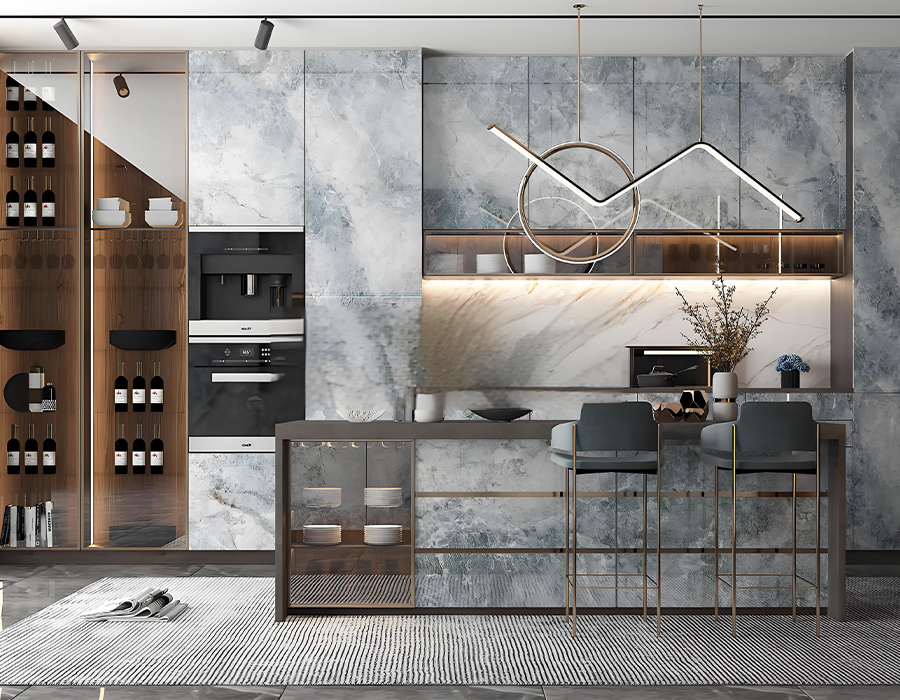 What Are the Key Benefits of Using PEC Wall Panels in Prefabricated Kitchen Pods?
Introduction: Revolutionizing Kitchen Construction with Integrated Solutions The construct...
READ MORE -
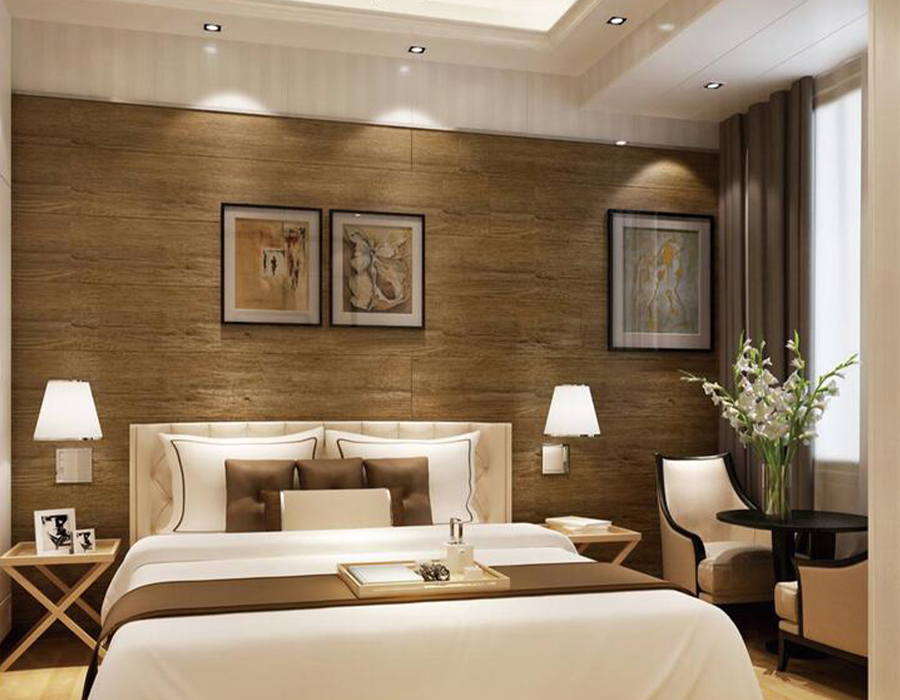 What Are the Key Benefits of Using PEC Wall Panels in Prefabricated Kitchen Pods?
1. Introduction In modern construction and interior design, walls are no longer just for d...
READ MORE -
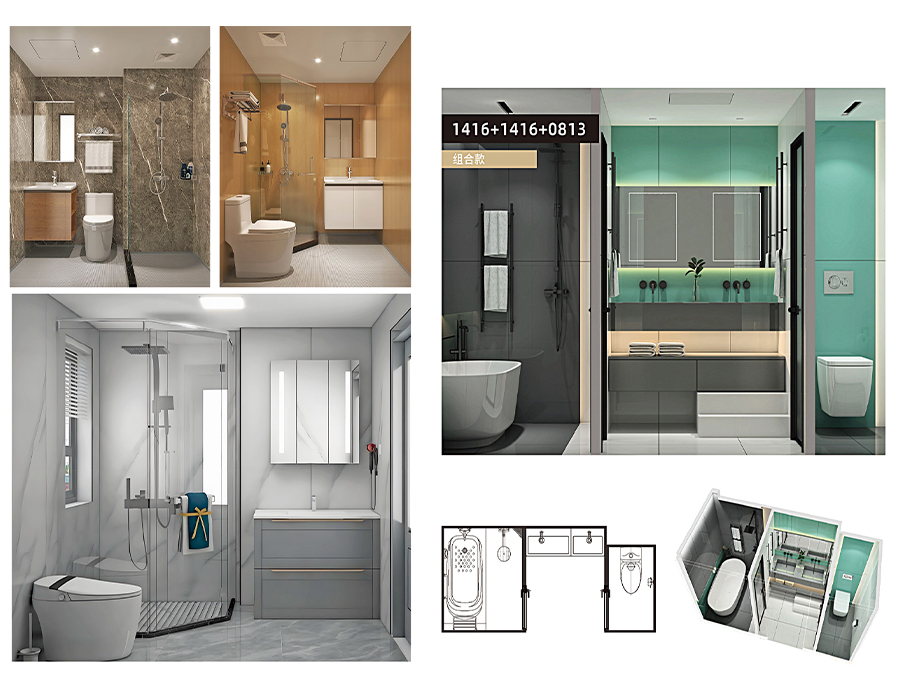 What Are the Key Benefits of Using PEC Wall Panels in Prefabricated Kitchen Pods?
Introduction The construction and interior design industries have witnessed a remarkable s...
READ MORE -
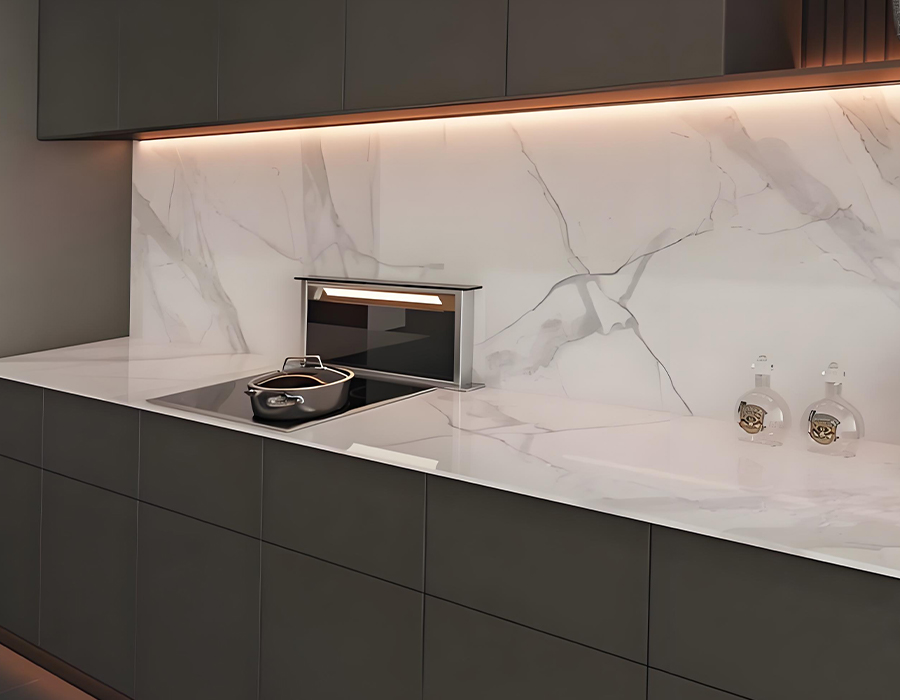 What Are the Key Benefits of Using PEC Wall Panels in Prefabricated Kitchen Pods?
What is a PEC Wall Prefabricated Kitchen and Why is it a Game-Changer? The modern housing ...
READ MORE



-
 16 Jul, 2026
 -
10 Jul, 2026
-
09 Jul, 2026
-
07 Jul, 2026
-
02 Jul, 2026
-
24 Jun, 2026

Copyright © 2025 Jiangsu Kounor Home Technology Co., Ltd.
All Rights Reserved.
Custom Prefabricated Restroom Building, Prefabricated Kitchenette Suppliers
