
 English
 русский
 عربى
عربىPEC Wall Prefabricated Kitchen Gains Attention for Smart, Space-Saving Solutions
What is a PEC Wall Prefabricated Kitchen and Why is it a Game-Changer?
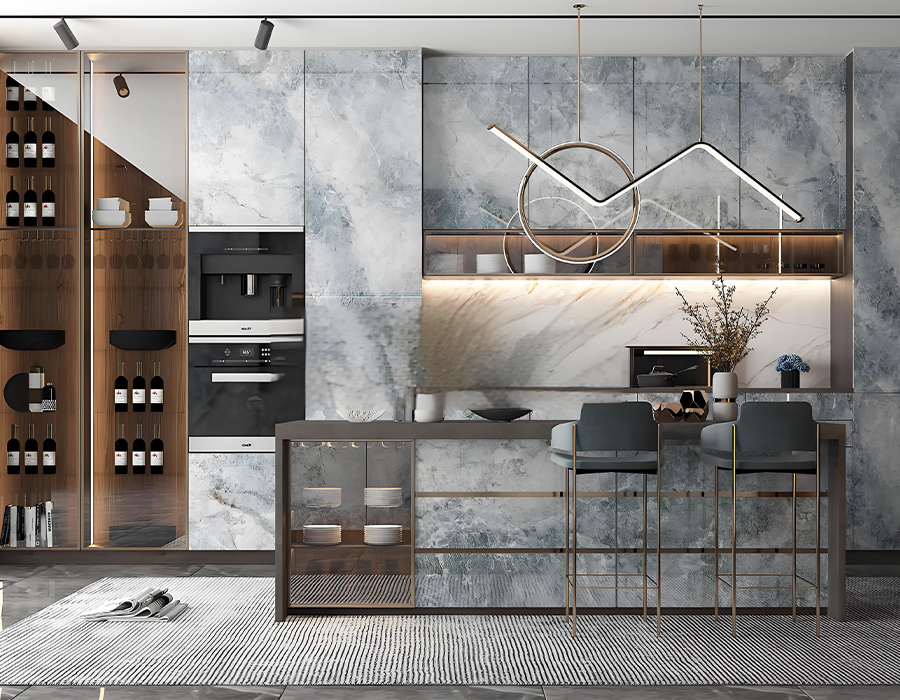
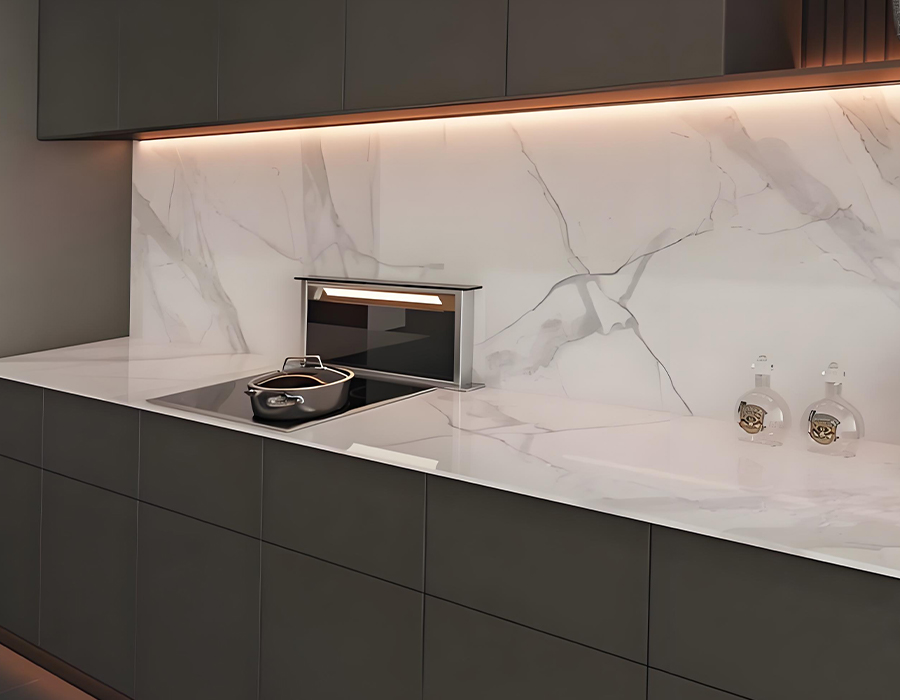
The modern housing and commercial development landscape is continuously evolving, with a pronounced shift towards efficiency, sustainability, and intelligent design. At the forefront of this movement is the PEC Wall Prefabricated Kitchen, a revolutionary approach to kitchen installation and design. PEC, which stands for Pre-Engineered Component, represents a system where kitchen modules are manufactured off-site in a controlled factory environment and then assembled quickly and precisely on-site. This methodology is fundamentally changing how we think about kitchen spaces, particularly in urban settings, multi-family residences, and projects with tight deadlines. Unlike traditional kitchens that are built piece-by-piece over several weeks, a prefabricated kitchen arrives as a near-complete unit, drastically reducing installation time, minimizing on-site mess, and offering a level of precision that is difficult to achieve with conventional methods. The core appeal lies in its integration of smart technology and space-saving principles from the ground up, making it an ideal solution for the contemporary demand for high-functioning, beautiful, and practical living environments.
Key Advantages of Adopting a Prefabricated Kitchen System
The decision to integrate a PEC Wall Prefabricated Kitchen is driven by a multitude of tangible benefits that address common pain points in construction and renovation. These advantages span from the initial planning stages to long-term usage, offering a compelling case for homeowners, architects, and developers alike.
Unmatched Efficiency and Speed of Installation
One of the most significant advantages is the dramatic reduction in project timeline. While a traditional kitchen renovation can disrupt a home for weeks or even months, the prefabricated approach condenses the on-site work into a matter of days. This is because the core components—walls, cabinets, countertops, and often even plumbing and electrical conduits—are constructed simultaneously in a factory while the site preparation is ongoing. This parallel workflow eliminates the sequential delays common in traditional builds. Furthermore, factory production is not subject to weather delays, supplier holdups for individual parts, or tradesperson scheduling conflicts, leading to a predictable and reliable project schedule.
Superior Quality and Precision Engineering
Factory-controlled manufacturing ensures a level of quality and consistency that is challenging to replicate on a construction site. Each module is built using advanced machinery like CNC routers, which guarantees precise cuts, perfect joinery, and consistent finishes. The environment is free from the dust, moisture, and temperature fluctuations that can affect materials and adhesives on a building site. This results in a final product with tighter seams, better alignment, and overall superior craftsmanship. For instance, the tolerance for error in a factory setting is often in the millimeters, whereas on-site construction can have variances in centimeters, leading to issues with fitting appliances and cabinetry.
Inherently Smart and Space-Optimized Design
PEC Wall Prefabricated Kitchens are not just about building faster; they are about building smarter. The design phase leverages advanced software to maximize every square inch of available space. This leads to highly efficient layouts that incorporate innovative storage solutions, such as corner carousels, tall pull-out pantries, and integrated appliance nooks, which might be more costly or complex to implement in a custom on-site build. The concept of space-saving PEC wall kitchen for small apartments is a prime example of this strength. Designers can create modules that fit perfectly into compact areas, utilizing vertical space with full-height units and incorporating multi-functional elements like fold-down tables or integrated seating, effectively making a small kitchen feel spacious and highly functional.
Addressing Common Queries on PEC Wall Kitchen Systems
As with any innovative building method, potential adopters have questions. Addressing these concerns is crucial for understanding the full scope and applicability of PEC Wall Prefabricated Kitchens.
Durability and Long-Term Performance
A prevalent question is whether a prefabricated kitchen can match the durability of a traditional one. The answer is a resounding yes; in many cases, it exceeds it. The materials used—such as marine-grade plywood, powder-coated steel frames, and quartz composite countertops—are often of high quality and selected for their resilience. The factory assembly allows for stronger bonding techniques and more robust structural integration than what is typically possible on-site. Owners often find that PEC wall kitchen cost and durability analysis reveals a favorable long-term value proposition. While the initial investment might be comparable to a high-end custom kitchen, the reduced labor costs, minimal risk of rework, and extended product lifespan due to superior construction make it a cost-effective choice over time.
Customization and Design Flexibility
The myth that prefabrication equates to a one-size-fits-all solution is outdated. Modern PEC systems offer an extensive range of customization options. Clients can choose from various materials, colors, finishes, hardware, and appliance brands. The layout is highly flexible, designed around the user's specific needs and the spatial constraints of the project. The key is that this customization happens during the engineering and manufacturing phase. For those wondering about how to install a PEC wall prefabricated kitchen, the process, while swift, is highly technical and requires professional handling. The installation team will first prepare the site, ensuring utilities are in the correct positions. Then, the modules are craned or moved into place, connected to pre-determined utility points, and secured. Finally, the finishing touches, like sealing joints and installing doors, are completed. This process underscores the need for precise upfront planning and coordination between the manufacturer, designer, and installer.
PEC Wall Kitchen vs. Traditional Kitchen Construction
To make an informed decision, a direct comparison between PEC Wall Prefabricated Kitchens and traditional site-built kitchens is essential. The differences are profound and impact budget, timeline, and final outcome.
The following table provides a clear, point-by-point comparison to illustrate the key distinctions:
| Factor | PEC Wall Prefabricated Kitchen | Traditional Site-Built Kitchen |
|---|---|---|
| Project Timeline | Weeks to a few days for on-site installation after factory production. | Several weeks to months, subject to on-site delays. |
| Installation Process | Modular units are assembled on-site like building blocks. The process is clean and fast. | Sequential trades (carpenters, plumbers, electricians) work on-site, creating more mess and disruption. |
| Quality Control | High, due to factory-controlled conditions and precision machinery. | Variable, depending on the skill of the on-site crew and environmental conditions. |
| Cost Predictability | Generally more fixed, as most costs are determined during the manufacturing contract. | More prone to cost overruns due to unforeseen on-site issues and change orders. |
| Design Flexibility | High flexibility, but changes must be finalized before factory production begins. | Flexibility to make changes on the fly during construction, though this often increases cost and time. |
| Waste Generation | Significantly less waste, as materials are optimized in the factory and off-cuts are recycled. | Substantially more on-site waste from material cutting and packaging. |
As the table demonstrates, the prefabricated approach offers superior control over schedule, quality, and waste. The traditional method, while offering mid-stream flexibility, carries higher risks of delays and budget overruns.
Ideal Applications and Future Trends
The versatility of PEC Wall Prefabricated Kitchens makes them suitable for a wide array of applications. They are no longer niche products but are becoming mainstream solutions for various project types.
Where PEC Wall Kitchens Excel
The applications for these systems are diverse. They are a perfect fit for multi-family housing developments, where consistency, speed, and cost-control are paramount. Hotel and hospitality projects also benefit immensely, as they can outfit dozens of kitchenettes or guest suites quickly and identically. For residential use, they are ideal for accessory dwelling units (ADUs), basement apartments, and home additions where minimizing disruption to the main household is a priority. A PEC wall kitchen for commercial properties, such as in office pantries, studio apartments, or rental units, is an increasingly popular choice due to the need for durable, low-maintenance, and quickly deployable solutions. Furthermore, the growing demand for benefits of PEC wall kitchen for sustainable building is driving adoption. The reduced material waste, more efficient use of resources, and potential for integrating energy-efficient appliances and water-saving fixtures align perfectly with green building certifications like LEED and BREEAM.
The Evolving Landscape of Kitchen Design
The future of PEC Wall Prefabricated Kitchens is intrinsically linked to technology. We are moving towards even greater integration of smart home ecosystems. Imagine kitchens where the modules come pre-wired for full IoT (Internet of Things) compatibility, allowing for seamless control of lighting, appliances, and inventory management from a central hub. The use of sustainable and advanced materials, such as recycled composites and bacteriostatic surfaces, will become standard. The design process will also become more immersive, with virtual and augmented reality tools allowing clients to "walk through" their fabricated kitchen before it is even built, ensuring complete satisfaction and minimizing the potential for error. This evolution will solidify the PEC Wall Prefabricated Kitchen not just as a convenient alternative, but as the superior choice for modern, intelligent, and responsible living.
-
 What Are the Key Benefits of Using PEC Wall Panels in Prefabricated Kitchen Pods?
Introduction: Revolutionizing Kitchen Construction with Integrated Solutions The construct...
READ MORE -
 What Are the Key Benefits of Using PEC Wall Panels in Prefabricated Kitchen Pods?
1. Introduction In modern construction and interior design, walls are no longer just for d...
READ MORE -
 What Are the Key Benefits of Using PEC Wall Panels in Prefabricated Kitchen Pods?
Introduction The construction and interior design industries have witnessed a remarkable s...
READ MORE -
 What Are the Key Benefits of Using PEC Wall Panels in Prefabricated Kitchen Pods?
What is a PEC Wall Prefabricated Kitchen and Why is it a Game-Changer? The modern housing ...
READ MORE



-
 16 Jul, 2026
 -
10 Jul, 2026
-
09 Jul, 2026
-
07 Jul, 2026
-
02 Jul, 2026
-
24 Jun, 2026

Copyright © 2025 Jiangsu Kounor Home Technology Co., Ltd.
All Rights Reserved.
Custom Prefabricated Restroom Building, Prefabricated Kitchenette Suppliers
