
 English
 русский
 عربى
عربىHow is a rock slab prefabricated kitchen different from traditional granite or marble countertops?
The evolution of kitchen design has seen a shift from traditional materials like granite and marble to more versatile and innovative solutions. Among these, the rock slab prefabricated kitchen has emerged as a prominent choice for homeowners, designers, and builders seeking durability, aesthetics, and efficiency.
Introduction to rock slab prefabricated kitchen
A rock slab prefabricated kitchen is a modular kitchen system crafted from large-format stone slabs that are precision-cut and pre-fabricated for rapid installation. Unlike traditional countertops, which require on-site cutting, fitting, and finishing, rock slab prefabricated kitchen units are designed for streamlined assembly. This approach integrates functionality with design flexibility, allowing for consistent quality and reduced installation time.
Traditional granite or marble countertops, while renowned for their natural beauty, often demand significant manual labor during installation and require extensive customization to fit kitchen layouts. In contrast, rock slab prefabricated kitchen components are engineered to meet contemporary kitchen requirements efficiently.
Material composition and design flexibility
Rock slab prefabricated kitchen surfaces are manufactured using engineered stone technology. These surfaces combine natural minerals with high-performance resins and binders, producing slabs that mimic the aesthetic of natural stone while offering superior durability. The engineered composition allows for a uniform texture, a wide variety of colors, and patterns that remain consistent across different slabs.
| Feature | Rock Slab Prefabricated Kitchen | Traditional Granite/Marble |
|---|---|---|
| Material | Engineered stone with resins | Natural stone |
| Surface uniformity | High consistency | Natural variations |
| Color/pattern options | Extensive | Limited to natural stone variations |
| Design adaptability | Modular and customizable | Requires on-site cutting |
This table illustrates how rock slab prefabricated kitchen units can accommodate diverse kitchen layouts and design themes, from minimalist modern to classic traditional styles, without compromising visual consistency.
Manufacturing advantages
The manufacturing process of a rock slab prefabricated kitchen involves cutting, polishing, and finishing large stone panels in a controlled factory environment. This ensures precision in dimensions, edge profiles, and surface treatment. Factory-controlled quality reduces the likelihood of surface defects, cracks, or inconsistencies that can occur with hand-cut granite or marble.
Additionally, pre-fabrication allows for integration of functional features such as sink cutouts, appliance recesses, and edge detailing, which are more challenging to achieve on-site with traditional countertops. These pre-fitted components streamline kitchen assembly and minimize the need for extensive post-installation adjustments.
Installation efficiency
One of the most significant differences between a rock slab prefabricated kitchen and traditional stone countertops is the installation process. Prefabricated units are designed for rapid assembly, reducing labor costs and installation time. Components can be delivered ready to fit, allowing installers to focus on alignment and finishing rather than custom cutting.
Traditional granite or marble countertops require careful measurement, on-site cutting, templating, and polishing. Installation is often more time-consuming, demanding highly skilled labor and specialized tools. Mistakes during this process can result in wasted materials and additional costs.
Durability and performance
A rock slab prefabricated kitchen offers several performance advantages over conventional granite or marble countertops:
- Scratch and impact resistance: The engineered composition of the slabs enhances durability and minimizes surface damage from daily kitchen activities.
- Stain resistance: Factory-finished surfaces are less porous than natural stone, reducing the likelihood of stains from oils, acids, and food substances.
- Heat resistance: Although both traditional stone and prefabricated slabs can withstand moderate heat, engineered slabs are designed with better resilience to sudden temperature changes.
- Structural stability: Large-format slabs in prefabricated kitchens are reinforced to reduce the risk of cracking or chipping, especially at edges and corners.
These performance benefits make rock slab prefabricated kitchen units suitable for high-use kitchens where both aesthetics and functionality are essential.
Maintenance and longevity
Maintenance is a critical factor when comparing kitchen surfaces. Rock slab prefabricated kitchen surfaces require minimal upkeep. Regular cleaning with mild detergents and non-abrasive cloths is sufficient to maintain their appearance. Sealing is generally unnecessary for most engineered slabs, unlike natural granite or marble, which often need periodic sealing to prevent staining and water damage.
The long-term durability of rock slab prefabricated kitchen units ensures consistent performance with minimal intervention. This reduces total lifecycle costs and makes them an attractive option for both residential and commercial kitchens.
Design aesthetics and customization
Another key difference lies in design aesthetics. While granite and marble offer unique, naturally occurring patterns, these variations can sometimes limit design cohesion, particularly in large kitchens. Prefabricated rock slabs, however, provide the advantage of controlled patterning, allowing designers to achieve a consistent visual flow across countertops, islands, and backsplashes.
Additionally, rock slab prefabricated kitchen units can be fabricated in large slabs without seams, which is particularly beneficial for modern kitchens emphasizing clean lines and expansive surfaces. The ability to customize edge profiles, integrate sink areas, and pre-plan appliance placement gives designers more control over both functionality and aesthetics.
Environmental and sustainability considerations
Sustainability is increasingly important in modern kitchen design. Rock slab prefabricated kitchen units often utilize engineered stone, which can include recycled materials and reduce quarrying impacts compared to natural stone. Factory production reduces waste, as precision cutting minimizes material offcuts. Moreover, longer service life and lower maintenance requirements contribute to a reduced environmental footprint compared to traditional granite or marble countertops.
Cost comparison
While the initial cost of a rock slab prefabricated kitchen may be comparable to premium granite or marble, the total cost of ownership often favors prefabricated options due to reduced installation labor, lower maintenance, and fewer replacement needs over time. Budget-conscious buyers may find that investing in prefabricated slabs yields greater value in both convenience and longevity.
| Aspect | Rock Slab Prefabricated Kitchen | Traditional Granite/Marble |
|---|---|---|
| Initial cost | Moderate to high | High |
| Installation cost | Lower | Higher (requires skilled labor) |
| Maintenance cost | Low | Moderate to high |
| Lifespan | 20+ years with minimal upkeep | 20+ years, requires sealing and maintenance |
Common applications
The versatility of rock slab prefabricated kitchen extends beyond conventional countertops. These units are suitable for:
- Full kitchen installations, including islands and L-shaped layouts
- Backsplashes that seamlessly integrate with countertop surfaces
- Commercial kitchens requiring durable and hygienic surfaces
- Renovations where installation time and precision are critical
This adaptability makes prefabricated rock slabs a practical choice for a wide range of kitchen projects.
Conclusion
A rock slab prefabricated kitchen represents a modern alternative to traditional granite or marble countertops. Its advantages include enhanced durability, uniform aesthetics, simplified installation, reduced maintenance, and long-term value. While traditional stone maintains its appeal for natural beauty and uniqueness, prefabricated rock slabs provide a highly functional, design-flexible, and cost-effective solution for contemporary kitchen needs.
By carefully evaluating performance, aesthetics, and installation considerations, homeowners and designers can make informed choices that align with both practical requirements and visual preferences.
Frequently Asked Questions (FAQs)
Q1: Is a rock slab prefabricated kitchen suitable for small kitchen spaces?
Yes, modular design allows prefabricated slabs to fit compact and irregular spaces efficiently without compromising style.
Q2: Can I install a rock slab prefabricated kitchen myself?
Professional installation is recommended to ensure proper alignment and stability, although prefabricated components simplify the process.
Q3: How do I clean and maintain a rock slab prefabricated kitchen?
Use mild detergents and a soft cloth for regular cleaning. Sealing is generally not required.
Q4: Are rock slab prefabricated kitchen surfaces resistant to heat?
They are heat-resistant for everyday cooking activities, but hot cookware should not be placed directly on the surface.
Q5: How does a rock slab prefabricated kitchen compare to granite in terms of cost?
Initial costs are comparable, but reduced installation and maintenance expenses often make prefabricated options more economical over time.
-
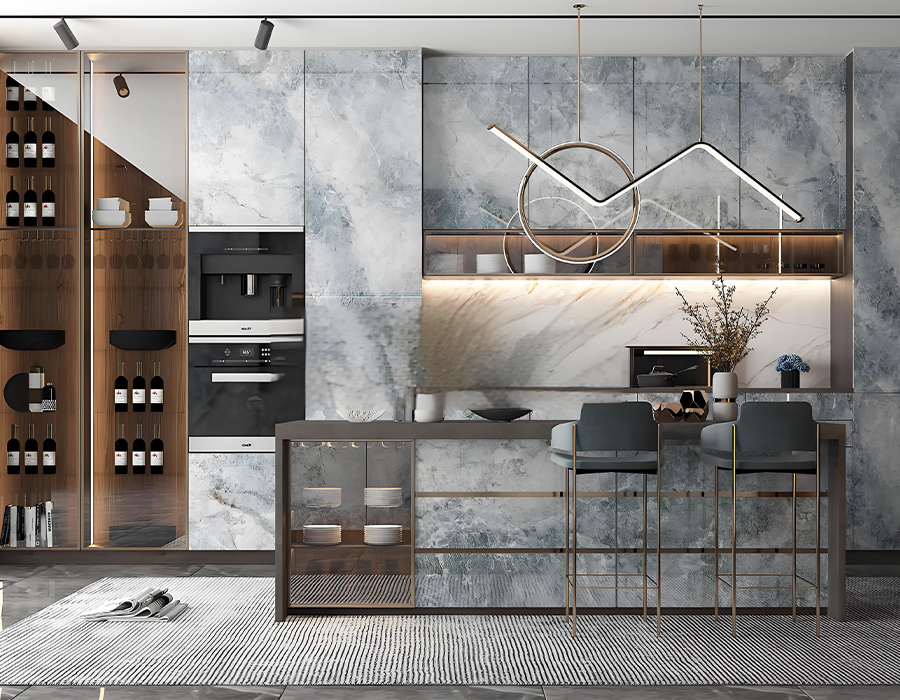 What Are the Key Benefits of Using PEC Wall Panels in Prefabricated Kitchen Pods?
Introduction: Revolutionizing Kitchen Construction with Integrated Solutions The construct...
READ MORE -
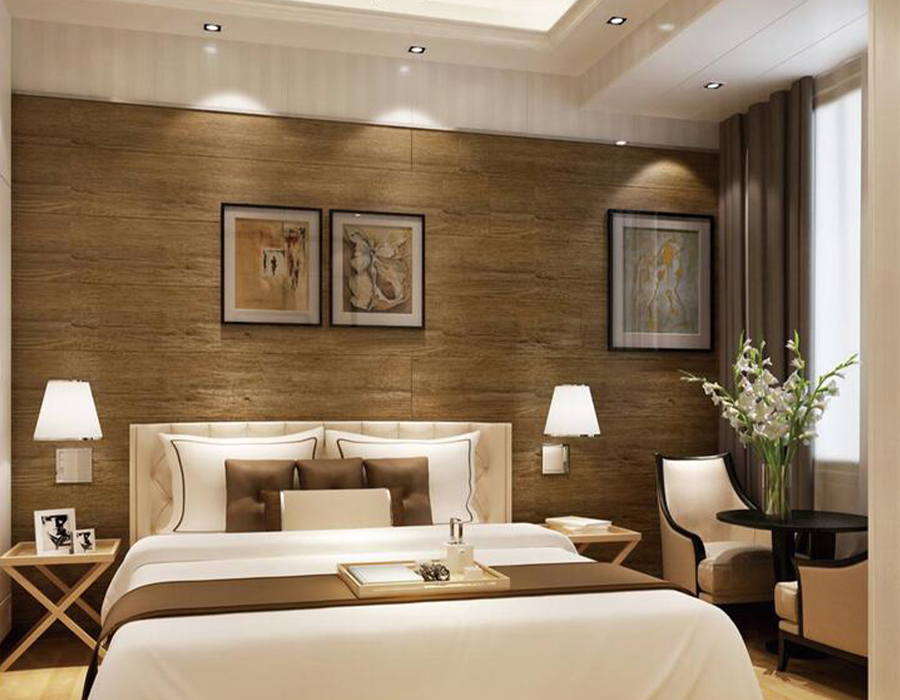 What Are the Key Benefits of Using PEC Wall Panels in Prefabricated Kitchen Pods?
1. Introduction In modern construction and interior design, walls are no longer just for d...
READ MORE -
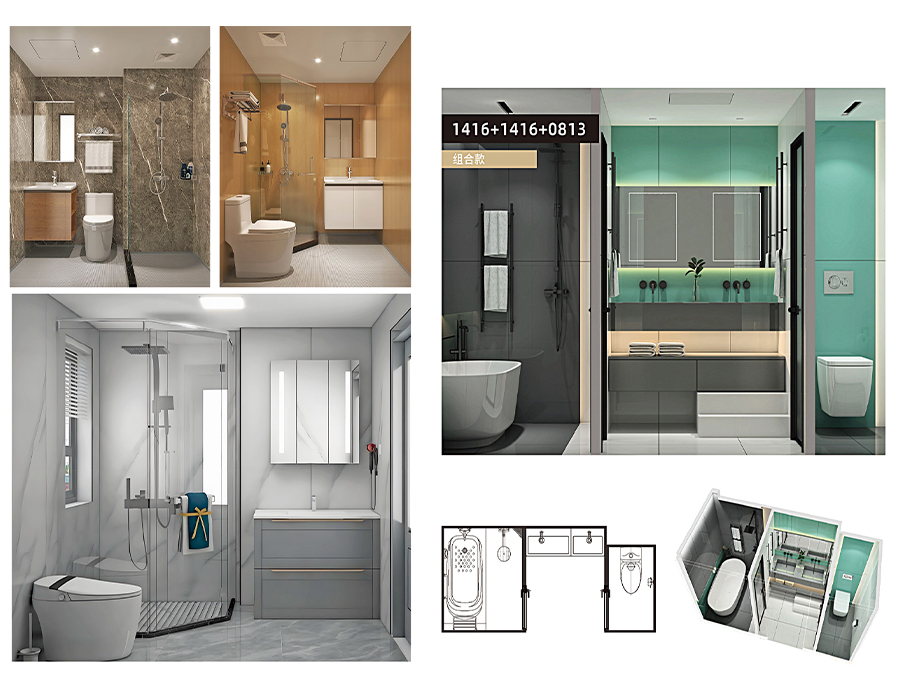 What Are the Key Benefits of Using PEC Wall Panels in Prefabricated Kitchen Pods?
Introduction The construction and interior design industries have witnessed a remarkable s...
READ MORE -
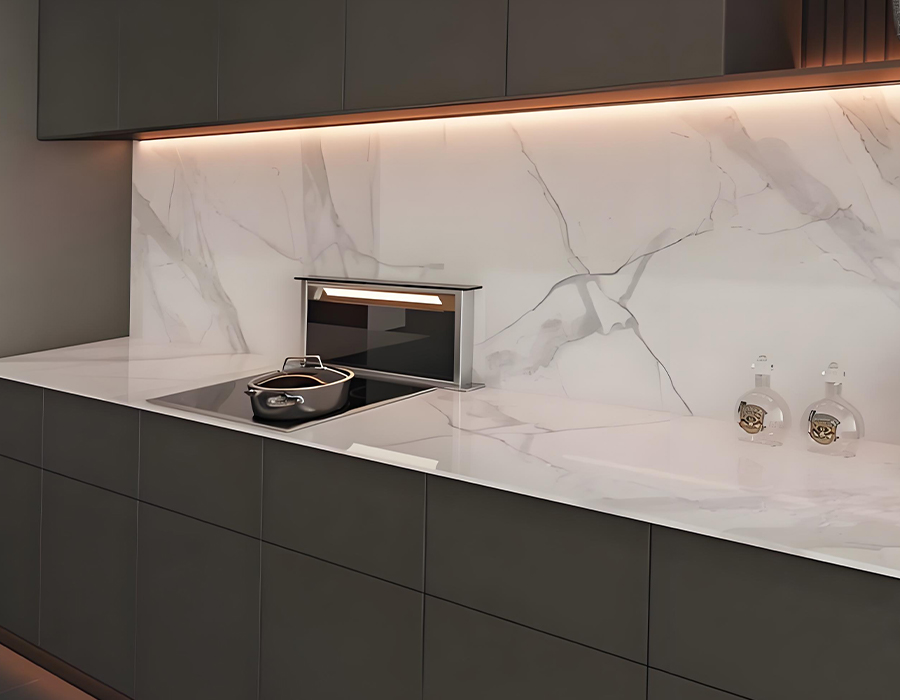 What Are the Key Benefits of Using PEC Wall Panels in Prefabricated Kitchen Pods?
What is a PEC Wall Prefabricated Kitchen and Why is it a Game-Changer? The modern housing ...
READ MORE



-
 16 Jul, 2026
 -
10 Jul, 2026
-
09 Jul, 2026
-
07 Jul, 2026
-
02 Jul, 2026
-
24 Jun, 2026

Copyright © 2025 Jiangsu Kounor Home Technology Co., Ltd.
All Rights Reserved.
Custom Prefabricated Restroom Building, Prefabricated Kitchenette Suppliers
