
 English
 русский
 عربى
عربىWhat is the difference between a walk-in shower and an apartment shower cabin?
A shower is one of the most essential fixtures in any bathroom, providing convenience and cleanliness. When choosing the ideal type of shower for a bathroom, the terms “walk-in shower” and “apartment shower cabin” are often used interchangeably, but they are distinct in several important ways.
What is an Apartment Shower Cabin?
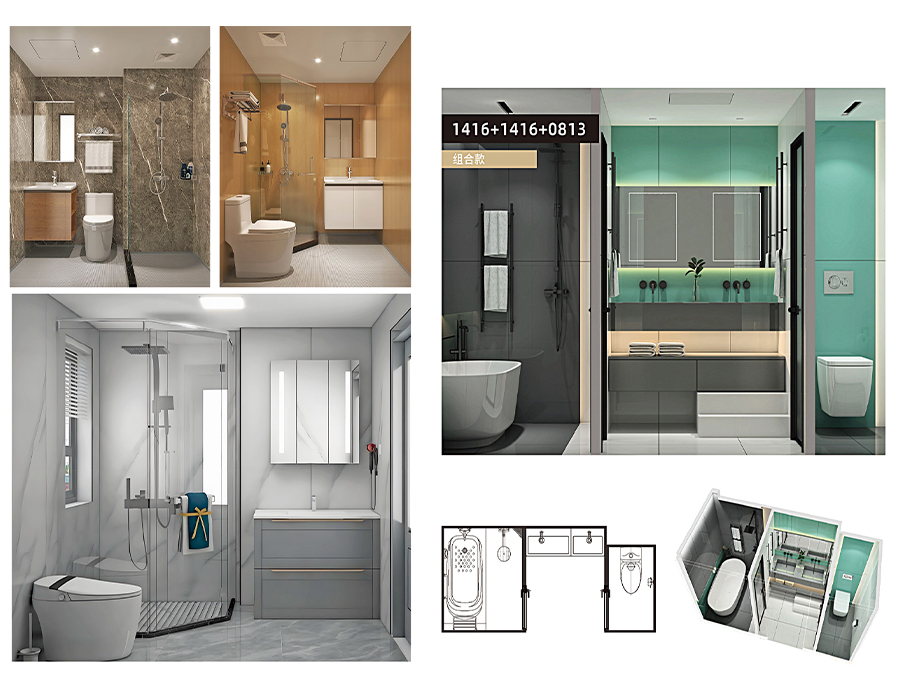
An apartment shower cabin is a compact, enclosed structure designed for showering, typically intended for apartments where space is limited. Unlike traditional bathtubs or open shower areas, apartment shower cabins are fully enclosed, often with transparent glass or plastic panels and a door or sliding mechanism to ensure water is contained within the cabin.
These cabins are generally smaller and more efficient in terms of water usage. Their structure allows for quick installation, making them a popular choice for apartment buildings or homes where bathroom space is at a premium.
Key Features of Apartment Shower Cabins
- Compact Design: Optimized for smaller spaces.
- Easy Installation: Pre-fabricated units that are easy to install.
- Water Efficiency: Designed to conserve water usage.
- Enclosed Structure: Helps contain water and minimize bathroom mess.
What is a Walk-in Shower?
A walk-in shower, on the other hand, is typically a larger, open shower area without a door or enclosure. It is designed for ease of access, allowing the user to simply walk in and begin their shower. While walk-in showers can vary greatly in size, they are generally more spacious and may have a glass partition or no walls at all, depending on the design.
Walk-in showers are popular in larger bathrooms or luxury home designs because they offer a more open, airy feel. They are accessible for individuals with mobility challenges, as they do not require stepping over a ledge or into a small space, which is common in bathtubs or standard shower enclosures.
Key Features of Walk-in Showers
- Spacious Design: Larger, open concept design.
- Accessibility: Ideal for individuals with mobility issues.
- Customizable: Can be designed to fit a variety of bathroom sizes.
- Minimalistic Aesthetic: Offers a sleek, open look.
Key Differences Between Walk-in Showers and Apartment Shower Cabins
While both walk-in showers and apartment shower cabins serve the same purpose, they have distinct differences in design, space usage, and installation requirements. Below, we compare them across several important factors:
| Feature | Apartment Shower Cabin | Walk-in Shower |
|---|---|---|
| Size | Smaller, compact | Larger, open space |
| Installation | Quick and easy, prefabricated units | Requires custom design, more complex |
| Water Containment | Fully enclosed to contain water | May have no enclosure or partial walls |
| Accessibility | Less accessible for people with disabilities | Easy access for people with mobility challenges |
| Aesthetic Appeal | Modern, compact, often minimalistic | Luxury, open, spacious |
| Ideal Location | Ideal for smaller bathrooms | Suitable for larger bathrooms |
| Customization Options | Limited, standardized designs | Highly customizable in terms of layout and materials |
Advantages of Apartment Shower Cabins
Apartment shower cabins offer several advantages, particularly for those living in urban settings or in buildings with limited bathroom space. Some of the key benefits include:
- Space Saving: Perfect for compact apartments, where saving space is crucial.
- Water Efficiency: Designed with water-saving technology to help reduce usage.
- Quick Installation: Prefabricated units are easy to install, saving time and cost.
- Privacy: Fully enclosed design ensures privacy while showering.
Advantages of Walk-in Showers
On the other hand, walk-in showers offer distinct advantages, especially for those with more spacious bathrooms and a desire for a luxurious experience. Key advantages include:
- Spaciousness: Provides a more open feel, making the bathroom appear larger.
- Accessibility: Ideal for individuals with mobility issues, allowing easy entry.
- Luxury: Often viewed as a premium design choice due to their elegant and modern appearance.
- Customization: Can be designed to meet specific needs, from the shower head to the tiles.
Disadvantages of Apartment Shower Cabins
While apartment shower cabins are practical for smaller spaces, they do come with some limitations, including:
- Limited Space: May feel cramped for those who prefer more room to move around.
- Less Customization: Standardized designs with fewer options for customization.
- Accessibility Challenges: Not always suitable for people with mobility challenges.
Disadvantages of Walk-in Showers
Walk-in showers, while ideal for many, may not be the best choice for all bathrooms. Potential disadvantages include:
- Installation Complexity: Custom-built showers can be time-consuming and expensive to install.
- Water Spillage: Without enclosures, water may spill out, causing potential water damage or mess.
- Space Requirement: Requires more space, which may not be available in smaller apartments.
How to Choose the Right Shower for Your Apartment
When deciding between a walk-in shower and an apartment shower cabin, several factors should be considered:
- Bathroom Size: If you have a small bathroom, an apartment shower cabin may be more suitable.
- Budget: Walk-in showers are typically more expensive due to custom designs and installation costs.
- Accessibility Needs: If accessibility is a priority, a walk-in shower may be the better choice.
- Aesthetic Preferences: Consider whether you prefer a sleek, minimalistic design or an open, luxurious feel.
FAQ
-
What is the average cost of an apartment shower cabin?
The cost of an apartment shower cabin can vary greatly depending on size and materials, but it typically ranges from $500 to $2,000. -
Can a walk-in shower be installed in a small bathroom?
While walk-in showers are typically suited for larger bathrooms, there are smaller versions available that may fit more compact spaces. -
Is it necessary to have a door in an apartment shower cabin?
Not necessarily. Some apartment shower cabins feature sliding doors, while others are open or have a partial barrier. -
Are walk-in showers safer for elderly users?
Yes, walk-in showers are often considered safer for elderly users because they do not require stepping over a tub or ledge. -
Can apartment shower cabins be installed without professional help?
While some models are DIY-friendly, it is recommended to consult a professional to ensure proper installation.
References
- “Choosing the Right Shower for Your Home: Walk-In Showers vs. Shower Cabins,” Home Design Guide, 2023.
- “The Benefits of Walk-In Showers for Small Spaces,” Bathroom Remodeling Today, 2023.
- “Apartment Bathroom Solutions: Maximizing Space with Shower Cabins,” Urban Living, 2023.
-
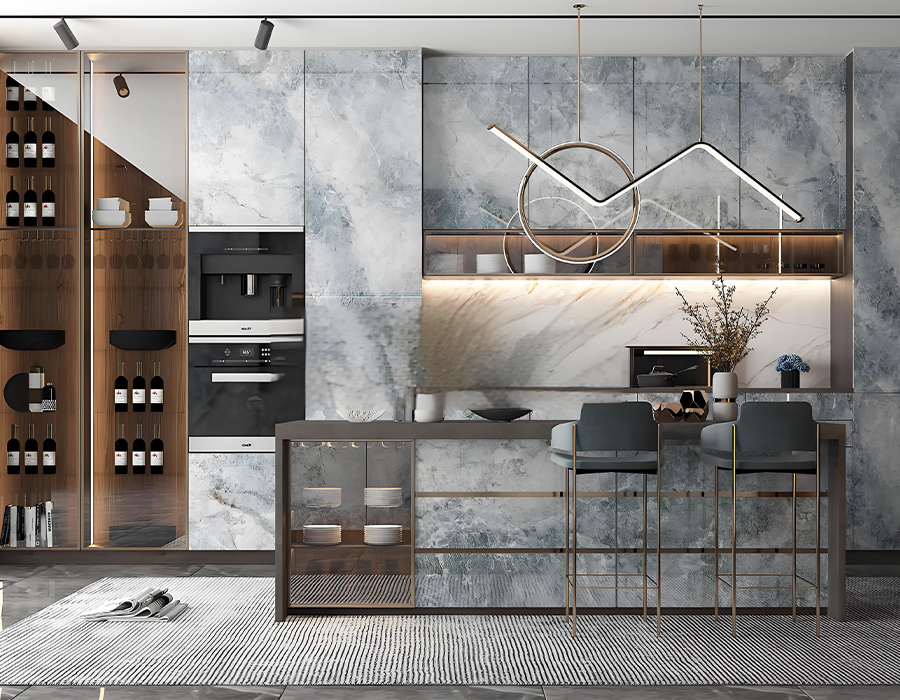 What Are the Key Benefits of Using PEC Wall Panels in Prefabricated Kitchen Pods?
Introduction: Revolutionizing Kitchen Construction with Integrated Solutions The construct...
READ MORE -
 What Are the Key Benefits of Using PEC Wall Panels in Prefabricated Kitchen Pods?
1. Introduction In modern construction and interior design, walls are no longer just for d...
READ MORE -
 What Are the Key Benefits of Using PEC Wall Panels in Prefabricated Kitchen Pods?
Introduction The construction and interior design industries have witnessed a remarkable s...
READ MORE -
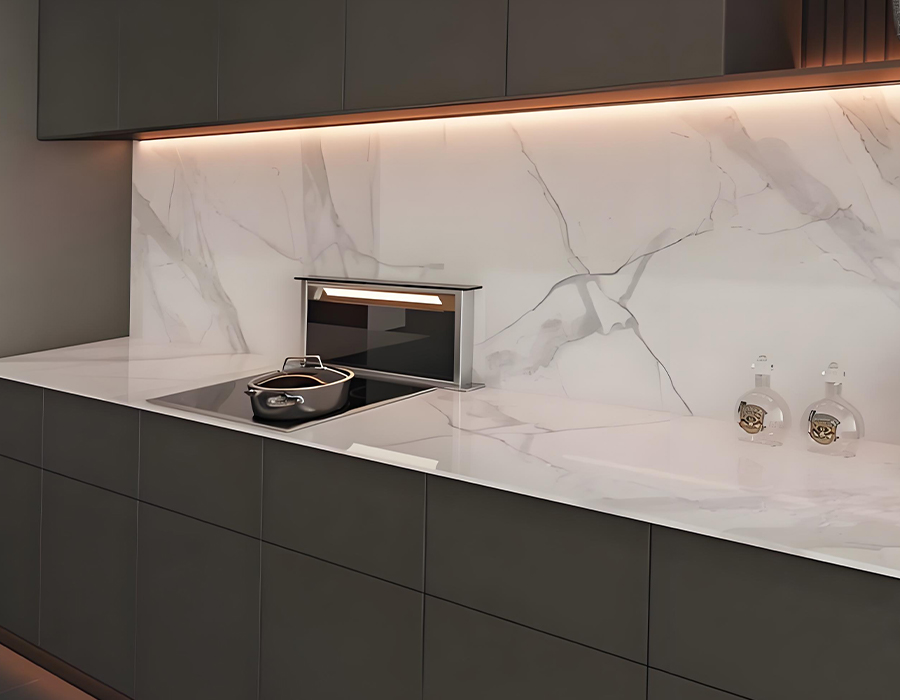 What Are the Key Benefits of Using PEC Wall Panels in Prefabricated Kitchen Pods?
What is a PEC Wall Prefabricated Kitchen and Why is it a Game-Changer? The modern housing ...
READ MORE



-
 16 Jul, 2026
 -
10 Jul, 2026
-
09 Jul, 2026
-
07 Jul, 2026
-
02 Jul, 2026
-
24 Jun, 2026

Copyright © 2025 Jiangsu Kounor Home Technology Co., Ltd.
All Rights Reserved.
Custom Prefabricated Restroom Building, Prefabricated Kitchenette Suppliers
