
 English
 русский
 عربى
عربىHow is waterproofing achieved in the base structure of an apartment shower cabin?
Waterproofing is one of the most critical performance indicators in an apartment shower cabin, directly influencing safety, long-term durability, maintenance requirements, and overall user satisfaction. Because modern apartment bathrooms increasingly rely on compact, prefabricated, and efficient fixtures, the structural integrity of the shower base has become an essential subject for buyers, manufacturers, and project planners. Whether the priority is moisture resistance, leak prevention, drain integration, or long-term reliability, understanding how waterproofing is achieved within the base structure is essential for making informed decisions.
Understanding the role of the base structure in apartment shower cabin waterproofing
The base structure is the primary component responsible for containing, directing, and managing water inside an apartment shower cabin. Because the shower base interacts with multiple forces—including gravity, constant foot pressure, water flow, and daily temperature fluctuations—it must deliver exceptional performance without depending on excessive maintenance.
In most installations, the base structure works as a complete waterproofing system rather than a single material or component. It typically includes the tray or pan, reinforcement layers, drainage outlets, slope design, sealant joints, and water-retaining barriers. These components form a unified structure engineered to prevent water intrusion into floors, walls, and adjacent rooms.
In residential and multi-unit projects where multiple units share drainage and mechanical infrastructure, even minor leakage can cause costly repairs. For this reason, the waterproofing of an apartment shower cabin relies on precision manufacturing and controlled installation, ensuring consistent performance across all units.
Material selection and its influence on waterproofing performance
Material selection plays an essential role in determining the long-term waterproofing of an apartment shower cabin. The materials that form the base must withstand moisture, retain structural strength, and resist cracking or warping. They must also bond effectively with sealants and other components used during installation.
High-strength composite materials
Many modern apartment shower cabin bases are manufactured using composite materials, chosen for their construction stability, moisture resistance, and uniform surface performance. These composites can support the structural load while preventing microcracks that could cause water seepage. Composite materials offer reliable dimensional stability, preventing deformation even after prolonged contact with water.
Acrylic-coated surfaces
Acrylic layers are widely used in shower bases because they provide a smooth, non-porous, and visually consistent surface. Their resistance to staining and water absorption enhances the base’s waterproofing performance. Additionally, the acrylic coating supports efficient cleaning and helps reduce surface bacteria, making the apartment shower cabin safer and more comfortable for users.
Reinforced structural layers
When reinforced layers are added beneath the surface material, they help maintain structural integrity under continuous use. Reinforcement prevents sagging and deformation, particularly in high-traffic residential settings. A structurally stable base also ensures that slopes and drainage angles remain precise, which is fundamental for preventing standing water.
These materials collectively support the base system and are engineered to maintain waterproofing over extended periods, even in demanding apartment environments.
Waterproofing mechanisms integrated into the shower base
Waterproofing in an apartment shower cabin depends on a system of mechanisms designed to work together to prevent leakage. These mechanisms extend beyond materials; they include drainage structure, joint sealing, surface treatment, and the integration of water-retaining edges.
Non-porous surface technology
A non-porous surface prevents water absorption and minimizes the risk of moisture traveling below the visible surface. In a modern apartment shower cabin, surface technology plays a significant role in preventing bacteria growth, reducing maintenance, and protecting the underlying structure. Non-porous coatings also prevent discoloration and deterioration that could compromise the cabin over time.
Raised perimeter edges
The raised edges around the shower base form a physical barrier that keeps water within the cabin. These edges are essential for retaining water during showering, especially when pressure spray systems or handheld showerheads are used. Their height and angle are designed to prevent overflow even when the drain temporarily experiences high flow volumes.
Integrated downward slope
The internal slope of the shower base is engineered to direct water toward the drain at a controlled rate. Even slight deviations can lead to pooling, which may cause surface deterioration or mold growth. In a well-designed apartment shower cabin, the slope is consistent and accurately aligned to ensure efficient water flow and complete drainage after each use.
Reinforcement for load stability
Foot pressure can cause long-term deformation if the base lacks reinforcement. When deformation occurs, the slope may become uneven, reducing effectiveness and causing water to accumulate. Reinforced layers prevent such distortion and safeguard waterproofing performance.
Edge sealing systems
Seals around the perimeter of the base are designed to prevent water from migrating into wall systems. These seals, applied using high-quality compounds, maintain elasticity over time to absorb movement caused by temperature changes or daily use. Effective sealing ensures that the apartment shower cabin remains watertight even after years of operation.
Drainage design and integration
A functional drainage system ensures that water is efficiently removed from the base of an apartment shower cabin. Drainage performance directly affects waterproofing integrity, making it a crucial part of the base structure.
Drain positioning and alignment
Positioning the drain at the optimal point ensures complete evacuation of water. The location is selected to minimize backflow, improve user comfort, and maintain the structural balance of the base. Proper drain alignment is also essential for connecting to residential plumbing systems commonly used in apartment settings.
Drain body sealing
The connection between the base material and the drain body must be completely sealed. Any gaps in this area would allow water to penetrate into the subfloor, causing structural damage. The drain area is typically reinforced and sealed with high-adhesion compounds to ensure that the apartment shower cabin remains tightly bonded to the drainage assembly.
Odor prevention considerations
Some apartment shower cabin designs incorporate odor-prevention features such as trap systems. These systems remain sealed to block drainage odors, contributing to a more hygienic bathroom environment. The odor-prevention mechanism is engineered without compromising the waterproofing performance of the base.
Efficient water flow channels
To reduce the risk of water accumulation, the internal channels within the base are shaped to guide water rapidly to the drain. These channels minimize friction and improve water dispersion, resulting in better overall waterproofing performance.
Joint sealing and perimeter protection
Joint sealing is one of the most critical aspects of waterproofing in an apartment shower cabin, especially where the base meets the wall structure. These areas are prone to movement, making them potential leakage points if not properly protected.
High-elasticity waterproof sealants
Elasticity is essential because the cabin undergoes regular expansion and contraction. High-elasticity sealants maintain their shape and adherence even under movement, providing a long-lasting waterproof layer. These sealants prevent water from entering behind the cabin structure and damaging the subfloor or wall frame.
Water barrier joints
The base often includes built-in channels or lips that act as water barriers. These barriers redirect water toward the drain and away from the perimeter, reducing pressure on seals. They form an essential part of the overall waterproofing system in an apartment shower cabin, especially in moisture-prone apartment environments.
Reinforced internal edges
Internal edges are designed to prevent moisture penetration, even if the surface coating is damaged. Reinforcement is added to limit cracking and improve resistance under continuous exposure to water.
Surface coatings and long-term protection
Surface coatings support waterproofing by protecting the shower base from wear. These coatings must resist impact, cleaning chemicals, temperature variations, and everyday moisture.
Anti-stain and hydrophobic coatings
Hydrophobic technology improves water dispersion and reduces standing water. By quickly moving water off the surface, these coatings help keep the apartment shower cabin clean and reduce surface stress that could lead to degradation.
Anti-slip treatment
Safety is a key expectation in modern shower cabins. Anti-slip coatings provide traction while maintaining the smoothness of the base. These coatings must be water-resistant to prevent peeling, which could expose the structure to moisture intrusion.
UV and temperature resistance
Materials and surface coatings are engineered to handle mild temperature fluctuations common in residential buildings. Resistance to UV exposure is also beneficial for maintaining color stability and preventing deterioration that could affect waterproofing.
Manufacturing precision and consistency
Waterproofing in an apartment shower cabin depends heavily on consistent manufacturing standards. Modern production processes focus on accuracy, material quality, and structural integrity to reduce the risk of installation errors and long-term damage.
Controlled molding processes
The base is typically formed using controlled molding processes that ensure uniform thickness, accurate slope formation, and consistent surface smoothness. This precision reduces the potential for weak points and ensures that water is directed correctly toward the drain.
Quality inspection and leak testing
Leak testing is an essential quality-control step. Bases are tested under controlled conditions to detect any gaps, material inconsistencies, or structural defects. Only units that pass waterproof testing proceed to final assembly.
Surface uniformity checks
Surface flatness and coating consistency are examined to ensure proper waterproofing performance. Any imperfections can affect the function of sealants and the overall durability of the apartment shower cabin.
Installation factors that influence waterproofing
Even a well-designed base can experience problems if installation is not performed correctly. Proper installation ensures that each waterproofing component functions as intended.
Leveling accuracy
The base must be installed on an even, stable surface. Uneven installation can disrupt drainage flow and cause water to accumulate in certain areas. Installers must verify that all sides are balanced before final placement.
Proper sealing around walls
When connecting the shower base to walls, installers must use compatible sealants to maintain a watertight perimeter. This prevents moisture from entering behind the structure and affecting the apartment’s construction materials.
Drain connection integrity
The transition between the drain system and the apartment’s plumbing is one of the most sensitive points in the waterproofing structure. Installers must ensure tight-fitting compression or gasket systems that prevent leakage over time.
Support reinforcement
Some shower bases require additional supports or brackets depending on the installation environment. Proper support helps maintain the structural integrity of the apartment shower cabin, ensuring that the slope remains consistent and water flows efficiently.
Common issues and how the base waterproofing prevents them
The waterproofing of an apartment shower cabin is designed to prevent the common issues that often arise in high-use residential bathrooms.
Water seepage from hairline cracks
Cracks in traditional tiled bases can lead to gradual leakage. Composite bases used in modern apartment shower cabin designs resist cracking through reinforced internal structures.
Moisture penetration into subfloors
Proper sealing, raised edges, and reinforced joints prevent moisture from reaching the subfloor. This protects the structural layers of the apartment and reduces long-term maintenance costs.
Standing water and surface deterioration
Slope precision and non-porous coatings prevent standing water, which reduces mold formation and extends the lifespan of the cabin.
Drain backflow
A correctly positioned and sealed drain minimizes the risk of backflow, preventing disruptive odors and maintaining a hygienic bathroom environment.
Comparison of waterproofing strategies in different base designs
The following table summarizes the key waterproofing strategies used in various common base designs for apartment shower cabin systems:
| Base Design Type | Waterproofing Features | Performance Notes |
|---|---|---|
| Composite base | Non-porous surface, reinforced layers, integrated slope | Excellent structural stability, low leakage risk |
| Acrylic-coated base | Smooth surface, hydrophobic finish, anti-stain coating | Easy cleaning, good protection against moisture |
| Multi-layer reinforced base | High load-bearing ability, water-retaining edges | Suitable for heavy use, enhanced resistance |
| Prefabricated modular base | Integrated sealing channels, precise slope | Consistent performance, reduced installation error |
Each of these designs achieves waterproofing through a combination of materials, structural engineering, and manufacturing precision.
Long-term maintenance of waterproofing performance
Even though modern base structures are engineered for durability, regular maintenance ensures optimal waterproofing performance in an apartment shower cabin.
Sealant inspection
Sealants may gradually lose elasticity. Periodic inspection helps identify early signs of wear, ensuring timely replacement before water intrusion occurs.
Drain cleaning
Keeping the drain clear prevents backflow and maintains efficient water dispersion. Users should periodically remove debris and rinse the drain area to preserve function.
Surface care
Using mild cleaning agents preserves the coating and prevents deterioration. Harsh chemicals may damage the hydrophobic layer, reducing waterproofing effectiveness.
Monitoring for uneven drainage
If water begins to pool, it may indicate base movement or structural issues. Early detection prevents more serious waterproofing failures.
Why proper waterproofing benefits apartment environments
A well-waterproofed apartment shower cabin offers multiple long-term benefits beyond simple leak prevention.
Enhanced hygiene and user comfort
By preventing water accumulation and mold formation, proper waterproofing supports a cleaner, healthier bathroom environment. Smooth surfaces and hydrophobic coatings improve the user experience.
Protection of apartment infrastructure
Moisture can cause structural damage in multi-unit buildings. Effective waterproofing helps prevent water from spreading between floors or through walls, reducing repair costs.
Extended product lifespan
A waterproof base minimizes degradation, reducing the need for replacement. This is especially important for large apartment projects where maintenance must be minimized.
Improved long-term property value
A durable and reliable apartment shower cabin increases user confidence and raises the perceived quality of the living space.
-
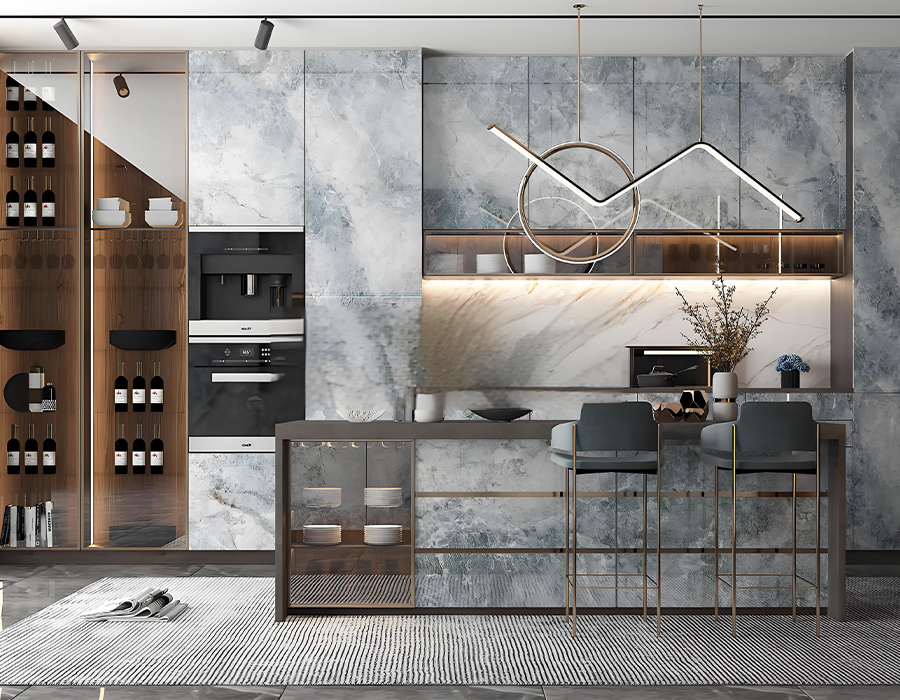 What Are the Key Benefits of Using PEC Wall Panels in Prefabricated Kitchen Pods?
Introduction: Revolutionizing Kitchen Construction with Integrated Solutions The construct...
READ MORE -
 What Are the Key Benefits of Using PEC Wall Panels in Prefabricated Kitchen Pods?
1. Introduction In modern construction and interior design, walls are no longer just for d...
READ MORE -
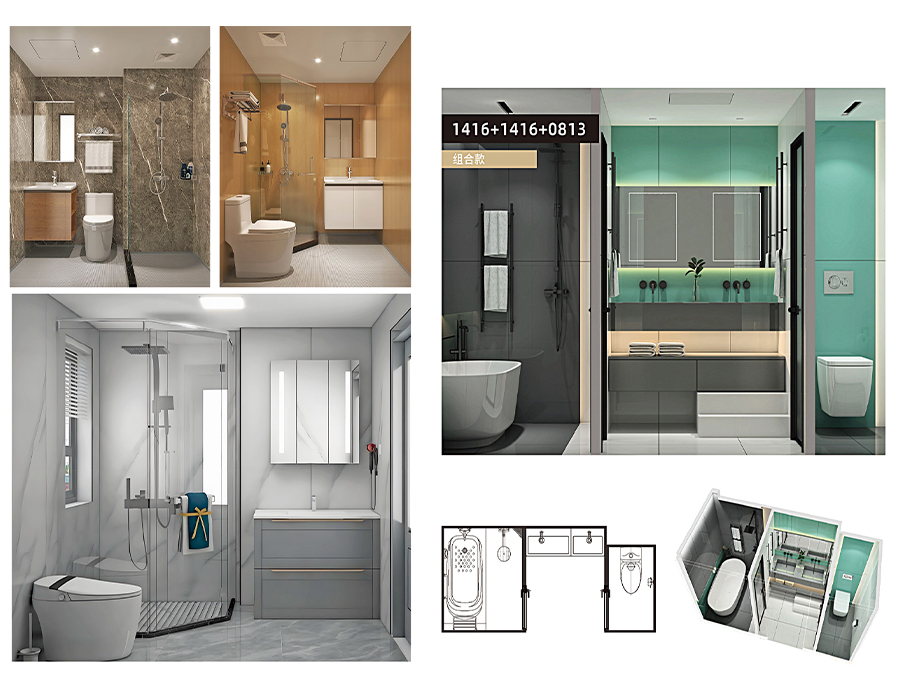 What Are the Key Benefits of Using PEC Wall Panels in Prefabricated Kitchen Pods?
Introduction The construction and interior design industries have witnessed a remarkable s...
READ MORE -
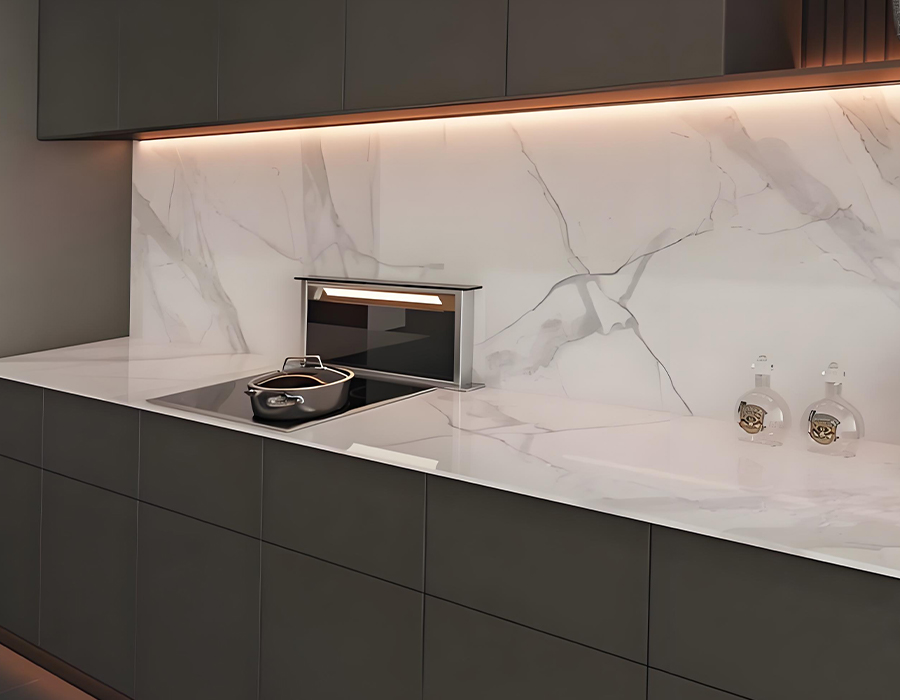 What Are the Key Benefits of Using PEC Wall Panels in Prefabricated Kitchen Pods?
What is a PEC Wall Prefabricated Kitchen and Why is it a Game-Changer? The modern housing ...
READ MORE


-
 16 Jul, 2026
 -
10 Jul, 2026
-
09 Jul, 2026
-
07 Jul, 2026
-
02 Jul, 2026
-
24 Jun, 2026

Copyright © 2025 Jiangsu Kounor Home Technology Co., Ltd.
All Rights Reserved.
Custom Prefabricated Restroom Building, Prefabricated Kitchenette Suppliers
