
 English
 русский
 عربى
عربىWhat anti-slip technologies are commonly used on the flooring surface of an all-in-one integrated shower room?
The flooring system of an all-in-one integrated shower room plays a crucial role in ensuring functional reliability, user comfort, and long-term safety.
An all-in-one integrated shower room is designed as a self-contained, prefabricated unit that combines showering functionality, waterproofing, drainage, ventilation, thermal insulation, and structural stability into a unified system. Within this integrated environment, anti-slip technology is one of the most important safety features. It directly influences user experience, long-term durability, compliance with building safety standards, and suitability for various installation environments.
Understanding the importance of anti-slip flooring in an all-in-one integrated shower room
Anti-slip flooring is essential in any wet area, but the controlled structural design of an all-in-one integrated shower room makes slip resistance even more critical. The prefabricated flooring pan, the water collection geometry, the drainage layout, and the selected surface materials all interact to create conditions where slipping risks can be reduced only through properly engineered flooring systems.
A key concern in wet-area flooring is the combination of water, soap, shampoo, and skin oils, all of which can significantly lower surface friction. Because shower room flooring is frequently exposed to prolonged moisture, anti-slip technology must maintain performance not only when dry but also under continuously wet conditions. Buyers of modular and prefabricated bathroom units often search for terms such as wet-area safety, textured shower surface, and non-slip bathroom flooring to assess how each system enhances friction and stability.
Additionally, the flooring of an all-in-one integrated shower room must resist the wear and degradation associated with repeated foot traffic, temperature variations, chemical exposure from cleaning products, and water hardness. Therefore, anti-slip design is not only a safety requirement but also a measure of product durability, lifecycle performance, and user adaptability for residential, hospitality, and institutional settings.
Key factors influencing anti-slip performance
Several factors collectively determine how effective anti-slip technology will be in the flooring surface of an all-in-one integrated shower room. These include material composition, surface texture, drainage patterns, manufacturing processes, and long-term resistance to environmental degradation. Each factor contributes differently to friction stability, water displacement, and safe foot contact with the flooring surface.
Material selection as a foundation of slip resistance
The base material of the shower room floor significantly impacts friction performance. Common materials such as composite panels, reinforced plastics, and engineered bathroom-grade polymers can provide varying levels of slip resistance depending on the surface treatment applied. The structural rigidity of the material also affects how well the anti-slip texture maintains its form over time.
In many prefabricated bathroom solutions, manufacturers focus on materials that combine lightweight characteristics with high dimensional stability. These materials maintain consistent surface geometry, ensuring that the anti-slip patterns do not deform under load or exposure to prolonged moisture.
Interaction between surface texture and user foot contact
Foot contact area plays a major role in slip resistance. Surface textures designed with fine or coarse patterns achieve friction by creating micro-level contact points that increase stability. Effective anti-slip surfaces ensure that the user’s foot maintains sufficient grip even when covered with soap or water.
Patterns such as ridges, embossed grids, microbeads, and wave-like textures help channel water away from the point of contact, reducing the likelihood of hydroplaning—a situation where a thin layer of water forms between the foot and the floor, drastically reducing friction.
Drainage and surface water management
An all-in-one integrated shower room typically includes engineered drainage slopes and a centrally located or side-positioned drainage system. Anti-slip flooring designs complement the drainage system by channeling water efficiently toward the drain, minimizing the accumulation of standing water on the floor.
Buyers frequently search for fast-drain shower floors, sloped shower trays, and waterflow-optimized bathroom flooring, demonstrating the importance of combining drainage with slip resistance. When the floor design supports efficient drainage, the anti-slip texture is able to operate under optimal conditions.
Common anti-slip technologies used in all-in-one integrated shower room flooring
A wide range of anti-slip technologies is used to enhance safety and performance. The following sections provide a detailed explanation of the most commonly adopted techniques, their working principles, and their application advantages in different usage scenarios.
Textured embossing for surface friction enhancement
Embossed surface textures are one of the most widely used anti-slip methods in all-in-one integrated shower room flooring systems. This technique involves imprinting patterns with raised or recessed geometry onto the shower base during the manufacturing process.
Embossed textures can take various forms, such as grid structures, dotted textures, crosshatch patterns, or irregular micro-structures. These patterns create controlled friction points that help stabilize foot contact even when the surface is wet.
The main advantages include:
- Consistent friction across different areas of the flooring
- Long-lasting texture retention due to integration into the structural layer
- Compatibility with various floor materials
- High performance in wet and soapy environments
Embossed patterns are also popular in bathroom safety flooring and shower tray anti-slip design, making them highly recognized in both residential and commercial installations.
Micro-texture surface treatments for enhanced wet-area grip
Micro-texture technology involves the application of ultra-fine surface patterns that are not always visually prominent but significantly increase friction. This approach is often applied to composite flooring materials through controlled surface treatment processes.
Unlike large embossed textures, micro-patterns focus on increasing surface roughness at the microscopic level, improving grip without altering the visual appearance or comfort of the flooring. This makes micro-texture surface treatments ideal for buyers seeking a minimalist, modern interior style while still requiring high safety performance.
Key benefits include:
- Improved friction without compromising design aesthetics
- Smooth and comfortable foot contact
- High resistance to wear and chemical cleaning agents
- Well-suited for luxury or design-focused bathroom applications
Micro-texture technology is often used in industries searching for premium shower room flooring, modern bathroom surface technology, and integrated shower safety features.
Anti-slip coating applications for enhanced durability
Anti-slip coatings are applied to the flooring surface to increase friction and protect the base material from wear. These coatings may incorporate fine granules or composite particles that add measurable friction to the surface when dry or wet.
Coating-based anti-slip technologies offer several advantages:
- Adaptability to different flooring materials
- Ability to refresh or reapply over time
- Resistance to aging and chemical exposure
- Enhanced safety performance in high-traffic environments
Such coatings are often marketed as options for slip-resistant shower tray upgrades or wet-area coating solutions, appealing to both buyers and manufacturers seeking long-term maintenance flexibility.
Raised geometric patterns for increased structural grip
Raised geometric patterns, such as wave shapes, step ridges, and directionally oriented lines, create a structured friction system. These patterns are physically elevated above the flooring surface and offer additional grip areas.
In an all-in-one integrated shower room, raised patterns are useful for:
- Improving water displacement through directional channels
- Providing high friction even during heavy water flow
- Maintaining consistent performance in commercial-use environments
These patterns are particularly beneficial in situations requiring strong slip resistance, such as hospitality facilities, school dormitories, or heavy-use housing units.
Integrated drainage grooves to minimize surface water retention
Drainage grooves are longitudinal or cross-directional lines integrated into the flooring surface. They assist with water movement by guiding water away from foot contact areas.
This technique offers several performance advantages:
- Reduced hydroplaning effect caused by standing water
- Enhanced surface friction due to faster water evacuation
- Improved user stability during continuous or heavy water usage
Some buyers specifically search for drainage-enhanced shower flooring or grooved shower bases, demonstrating continued interest in this particular anti-slip method.
Material-integrated friction particles for long-term anti-slip performance
In certain flooring systems, micro-friction particles or mineral-based additives are embedded directly into the flooring material during the manufacturing process. These particles create a naturally textured surface with continuous slip resistance.
Since the friction material is part of the structural layer, its performance is extremely durable and resistant to long-term wear.
Advantages include:
- Uniform distribution of friction-enhancing elements
- High durability even with prolonged repeated use
- Stable friction performance under soap-rich conditions
- No need for frequent surface refinishing
This technique is often referenced in industrial-grade bathroom flooring, institutional shower solutions, and high-durability wet-area applications.
Comparison of major anti-slip techniques
The following table provides a structured comparison of the primary anti-slip technologies used in an all-in-one integrated shower room:
| Anti-slip technology | Surface appearance | Durability | Performance in wet conditions | Maintenance requirements |
|---|---|---|---|---|
| Textured embossing | Visible patterns | High | Strong under wet and soapy conditions | Low |
| Micro-texture treatment | Minimal visual change | High | Excellent wet-area grip | Low |
| Anti-slip coatings | Moderate texture | Medium | Good but requires periodic reapplication | Medium |
| Raised geometric patterns | Highly visible | High | Very strong under heavy water flow | Low |
| Drainage grooves | Moderately visible | High | Reduces water accumulation significantly | Low |
| Material-integrated friction particles | Subtle natural texture | Very high | Excellent long-term performance | Very low |
This comparison supports buyers and manufacturers who search for anti-slip shower solutions, slip-resistant flooring technologies, or wet-room safety features when evaluating different types of all-in-one integrated shower room systems.
Selection criteria for optimal anti-slip flooring performance
Choosing the right anti-slip flooring technology for an all-in-one integrated shower room requires evaluating several important criteria. These criteria help determine not only the flooring’s safety performance but also its compatibility with installation environments, user needs, and long-term durability expectations.
Application environment and usage frequency
Different usage environments require different levels of slip resistance. Residential units may prioritize comfort and visual design, while commercial or institutional installations require higher levels of durability and consistent performance under heavy usage.
Cleaning and maintenance requirements
Flooring surfaces must withstand various cleaning chemicals, water hardness, and daily scrubbing without losing texture. Buyers often search for easy-clean shower flooring, low-maintenance bathroom surfaces, and durable wet-area textures for this reason.
Aesthetic considerations
While safety is essential, buyers and architects also consider design adaptability. Micro-textures and material-integrated friction particles are especially suitable for designs requiring subtle, modern aesthetics.
Long-term wear resistance
Patterns that are integrated into the material or embossed into the structural layer generally provide longer-lasting slip resistance than coatings that may require periodic renewal.
Compatibility with the shower room’s structural design
Flooring texture, drainage slope, water collection geometry, and structural support must work together to sustain a stable, long-term anti-slip environment.
Performance testing and durability evaluation
Evaluating the long-term reliability of anti-slip flooring in an all-in-one integrated shower room involves several structured durability assessments. These tests ensure that anti-slip functionality remains stable throughout years of repeated exposure to moisture, temperature changes, cleaning agents, and continuous foot traffic.
Among the factors commonly tested are:
- Surface wear resistance
- Retention of micro-texture or embossed patterns
- Chemical resistance
- Water displacement and drainage speed
- Structural stability of the shower base
These evaluations support buyers searching for product quality verification, shower room durability testing, or long-term flooring performance assessments. Developers of large-scale residential or commercial projects also rely on such data to confirm compliance with construction specifications and building safety requirements.
How anti-slip flooring contributes to user safety and comfort
Beyond technical function, anti-slip flooring improves practical usability. Safe friction levels allow users of all ages, including children, elderly individuals, and people with limited mobility, to maintain stability in a wet environment. Anti-slip technologies also contribute to psychological comfort by reducing concerns associated with slippery surfaces.
Furthermore, effective anti-slip technology can reduce the risk of sudden slips that may result in injuries. This underscores the importance of flooring design in the overall safety engineering of an all-in-one integrated shower room.
Emerging trends in anti-slip flooring technology
As construction trends move toward modular and prefabricated solutions, the flooring systems of all-in-one integrated shower room units are evolving. Several trends are shaping today’s industry development:
Increasing integration of multi-functional surfaces
Manufacturers are increasingly integrating anti-slip functionality with other performance characteristics such as antimicrobial properties, water repellency, and noise reduction.
Enhanced precision in micro-texture manufacturing
Advances in material engineering allow for highly controlled micro-patterns that provide exceptional slip resistance while maintaining smooth surface aesthetics.
Sustainable material development
Environmental considerations are influencing flooring material choices. Buyers frequently search for eco-friendly bathroom materials and sustainable wet-area surfaces. Modern anti-slip flooring is increasingly designed with recyclable or low-impact materials.
User-focused ergonomic design
Ergonomically driven floor designs ensure optimal foot comfort while maximizing safety. This involves careful evaluation of foot pressure distribution, slope design, and surface geometry.
Conclusion
Anti-slip technologies used in the flooring surface of an all-in-one integrated shower room play a vital role in ensuring safety, functionality, and user comfort. Through advancements in material science, surface engineering, and modular construction design, these technologies now offer reliable, long-lasting slip resistance capable of meeting diverse residential, commercial, and institutional needs.
By understanding the characteristics of commonly used anti-slip technologies—such as textured embossing, micro-texture treatments, anti-slip coatings, raised geometric patterns, drainage grooves, and material-integrated friction elements—buyers and manufacturers can make informed decisions based on performance requirements, maintenance expectations, design preferences, and long-term durability.
As industry trends continue to promote modular solutions, sustainable materials, and user-centered design, the flooring surface of an all-in-one integrated shower room will remain a critical component in the evolution of modern bathroom architecture.
-
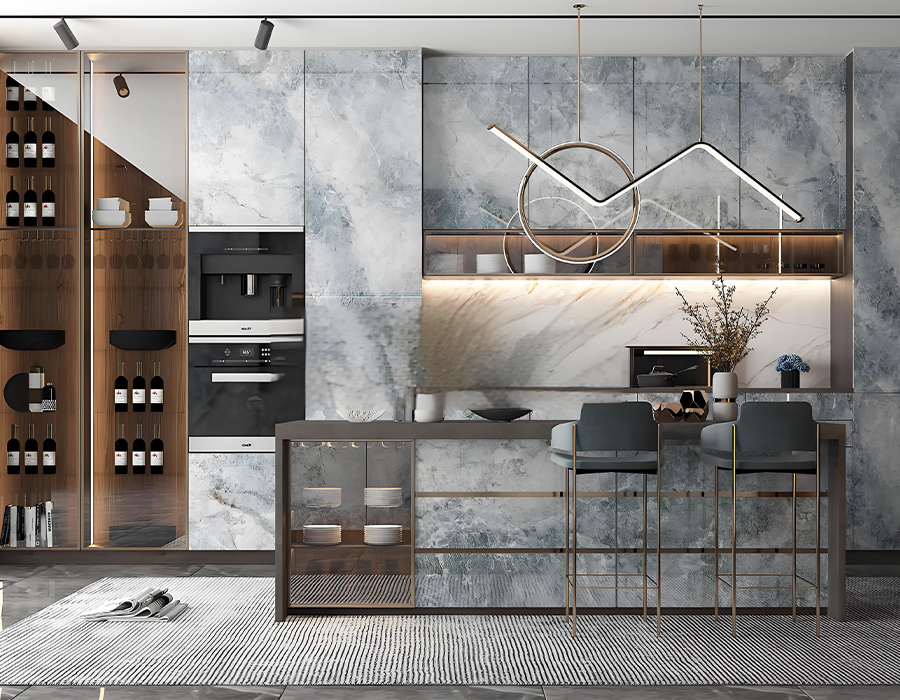 What Are the Key Benefits of Using PEC Wall Panels in Prefabricated Kitchen Pods?
Introduction: Revolutionizing Kitchen Construction with Integrated Solutions The construct...
READ MORE -
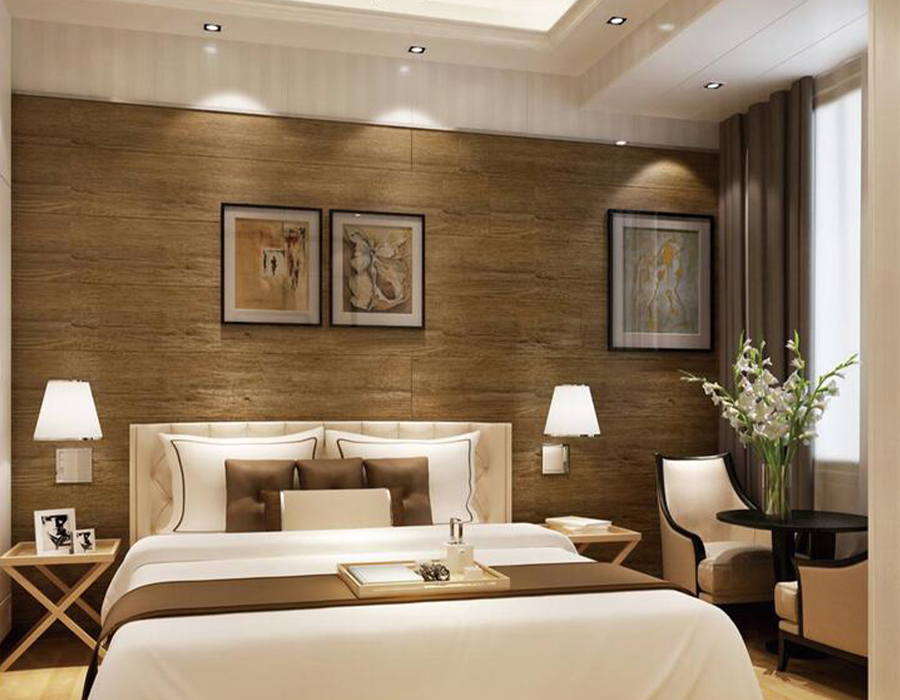 What Are the Key Benefits of Using PEC Wall Panels in Prefabricated Kitchen Pods?
1. Introduction In modern construction and interior design, walls are no longer just for d...
READ MORE -
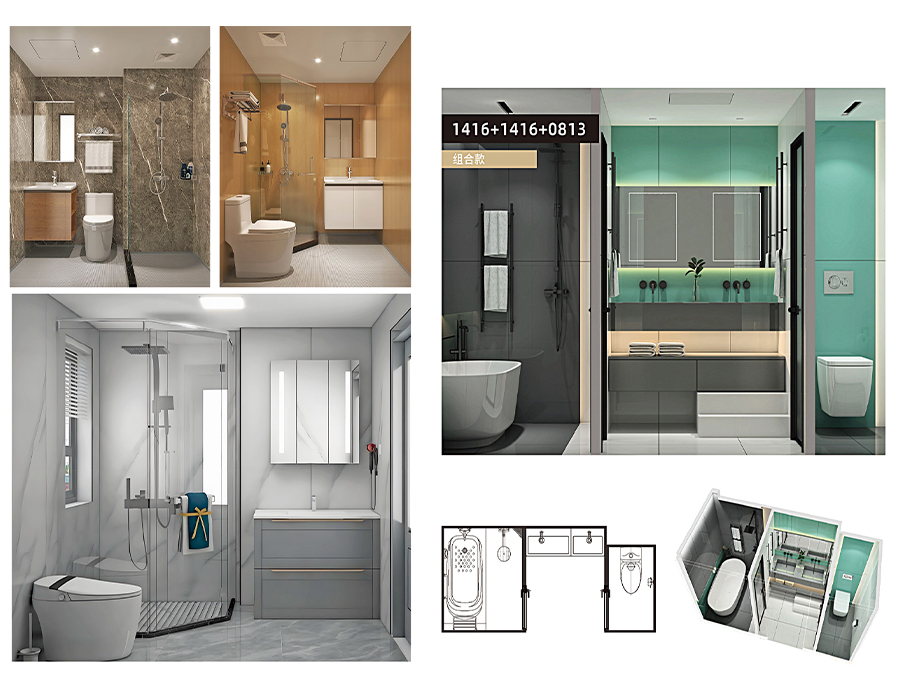 What Are the Key Benefits of Using PEC Wall Panels in Prefabricated Kitchen Pods?
Introduction The construction and interior design industries have witnessed a remarkable s...
READ MORE -
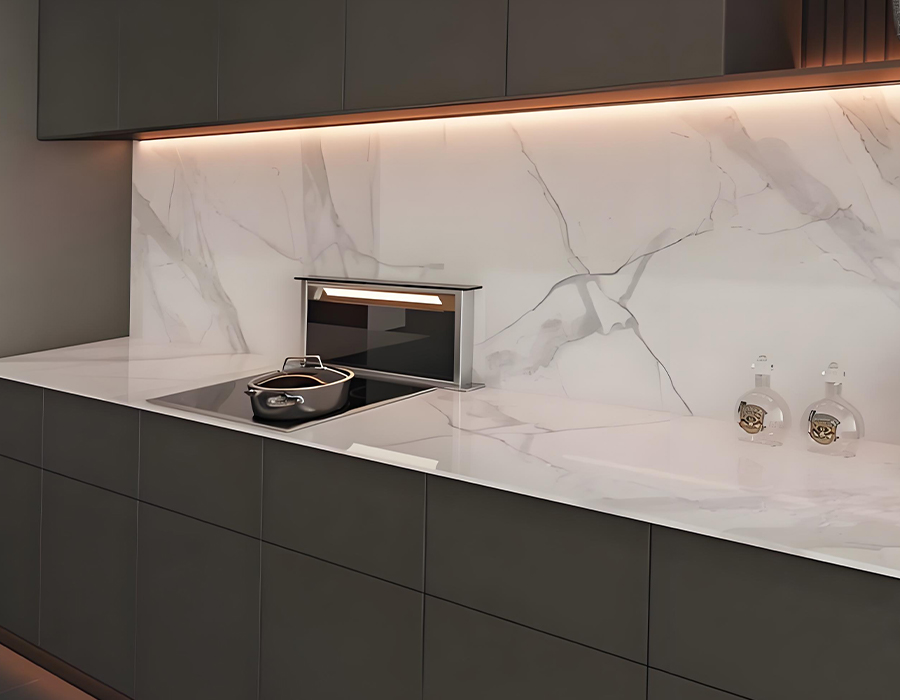 What Are the Key Benefits of Using PEC Wall Panels in Prefabricated Kitchen Pods?
What is a PEC Wall Prefabricated Kitchen and Why is it a Game-Changer? The modern housing ...
READ MORE



-
 16 Jul, 2026
 -
10 Jul, 2026
-
09 Jul, 2026
-
07 Jul, 2026
-
02 Jul, 2026
-
24 Jun, 2026

Copyright © 2025 Jiangsu Kounor Home Technology Co., Ltd.
All Rights Reserved.
Custom Prefabricated Restroom Building, Prefabricated Kitchenette Suppliers
