
 English
 русский
 عربى
عربىPrefabricated vs. Traditional Club Kitchens: Full Comparison
What is a Modular Kitchen?
A modular kitchen refers to a kitchen that is built using pre-made units or modules. These modules, which can be easily assembled and customized, are designed to fit together in various configurations to create an efficient and functional kitchen space. Unlike traditional kitchens that are constructed on-site with bespoke designs, modular kitchens offer quicker installation and a more streamlined, organized approach to kitchen design.
What is a Traditional Club Kitchen?
A traditional club kitchen, on the other hand, is a more conventional kitchen design that is usually built from scratch with custom fittings and materials. These kitchens are often tailored to meet the specific needs and preferences of the homeowner or business. Traditional kitchens are constructed on-site, which can make the process more time-consuming and expensive compared to modular kitchen setups.
Key Differences Between Modular and Traditional Kitchens
Understanding the differences between a modular kitchen and a traditional club kitchen is crucial in making an informed decision. Below, we outline the key differences:
- Installation Time: Modular kitchens are faster to install due to their pre-fabricated nature, while traditional kitchens require custom construction on-site, which can take longer.
- Cost: Modular kitchens tend to be more affordable because they are mass-produced and require less labor. Traditional kitchens, being custom-built, can be significantly more expensive.
- Customization: Traditional kitchens offer more flexibility for design customization, while modular kitchens are limited by the modules available but can still offer customization in terms of layout and accessories.
- Durability: Modular kitchens are made from high-quality materials that are durable and long-lasting. However, traditional kitchens often use premium materials that may last longer depending on the craftsmanship.
Advantages of Modular Kitchens
Modular kitchens come with several advantages that make them a popular choice for modern homes. Here are some key benefits:
- Efficiency: The modular design allows for a highly organized layout that maximizes available space, making kitchens more functional.
- Quick Installation: Modular kitchens can be installed much faster compared to traditional kitchens due to their pre-manufactured parts.
- Affordable: They are generally more budget-friendly, offering a cost-effective solution for both residential and commercial applications.
- Eco-Friendly: Many modular kitchens are designed with sustainability in mind, using eco-friendly materials and manufacturing processes.
Advantages of Traditional Kitchens
While modular kitchens offer convenience and efficiency, traditional kitchens also come with their own set of advantages, particularly in terms of design and customization:
- Customization: Traditional kitchens allow homeowners to tailor every detail to their taste, from the choice of materials to the layout and finishes.
- High-end Materials: Traditional kitchens often use premium, high-quality materials that can provide a luxurious finish.
- Longevity: With proper care and maintenance, traditional kitchens made with high-quality materials can last for decades.
How to Choose Between Modular and Traditional Kitchens?
Choosing between a modular and traditional kitchen depends on various factors including your budget, timeline, and design preferences. Here are some considerations to help guide your decision:
- Budget: If you're looking for an affordable solution with quick installation, a modular kitchen is a great choice. However, if you have a larger budget and want a more personalized design, a traditional kitchen may be the better option.
- Timeline: Modular kitchens are ideal if you need a kitchen installed quickly. Traditional kitchens may take longer to complete due to custom design and construction.
- Space Constraints: If you have limited space, modular kitchens offer smart solutions for maximizing every inch, whereas traditional kitchens can be more challenging to design for small areas.
Prefabricated Kitchens: A Viable Alternative
For those looking for a balance between the convenience of a modular kitchen and the customization of a traditional kitchen, prefabricated kitchens offer a great alternative. These kitchens come pre-assembled but allow for some level of customization to meet specific needs. You can explore a range of prefabricated integrated kitchens here.
FAQs
Q1: What are the main advantages of modular kitchens?
A modular kitchen offers quick installation, affordability, efficiency in design, and sustainability with eco-friendly materials.
Q2: Are traditional kitchens more expensive than modular kitchens?
Yes, traditional kitchens tend to be more expensive due to custom design, materials, and construction processes.
Q3: Can I customize a modular kitchen?
While modular kitchens offer some customization in layout and accessories, they are limited by the available modules. Traditional kitchens provide more flexibility in design and customization.
Q4: Which is better for a small apartment: modular or traditional kitchens?
Modular kitchens are generally better suited for small apartments due to their space-efficient designs and quick installation.
-
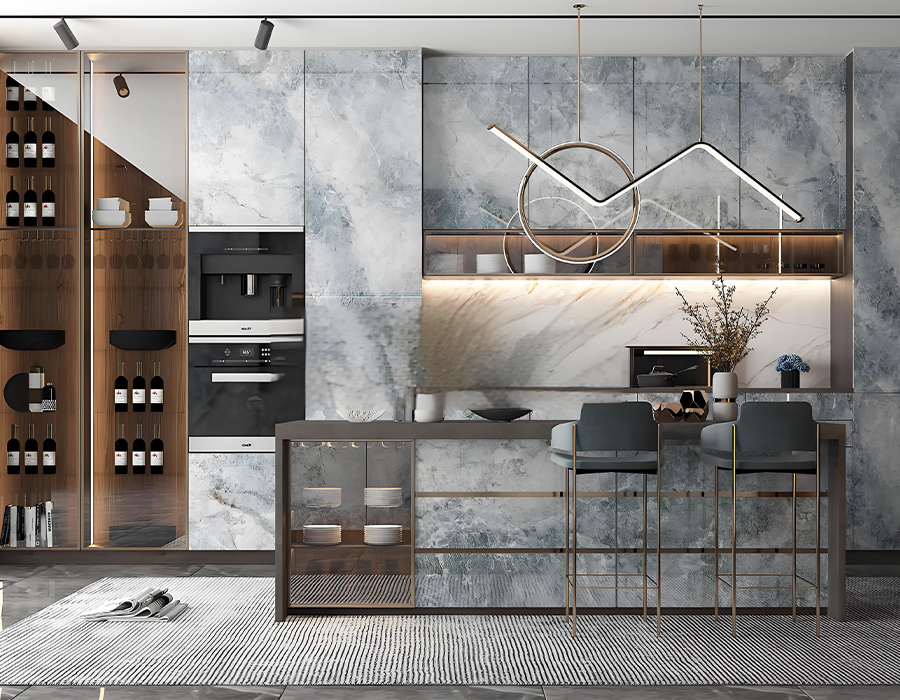 What Are the Key Benefits of Using PEC Wall Panels in Prefabricated Kitchen Pods?
Introduction: Revolutionizing Kitchen Construction with Integrated Solutions The construct...
READ MORE -
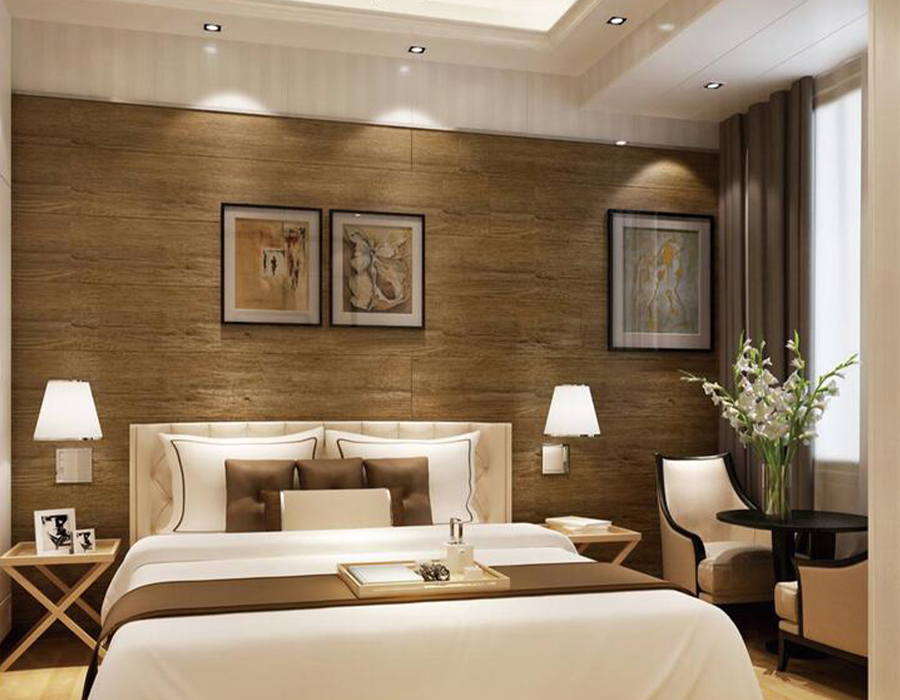 What Are the Key Benefits of Using PEC Wall Panels in Prefabricated Kitchen Pods?
1. Introduction In modern construction and interior design, walls are no longer just for d...
READ MORE -
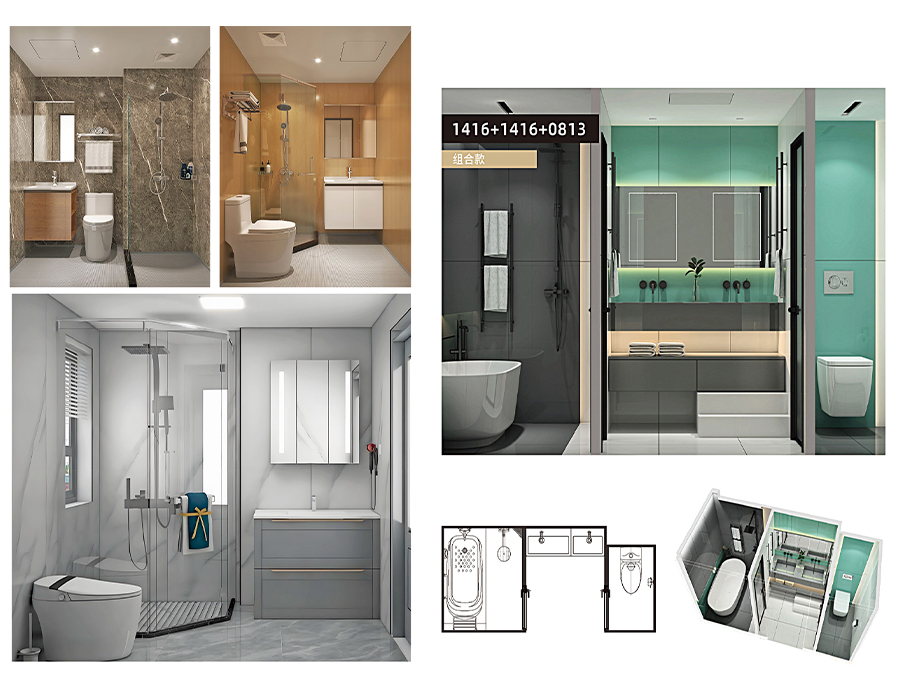 What Are the Key Benefits of Using PEC Wall Panels in Prefabricated Kitchen Pods?
Introduction The construction and interior design industries have witnessed a remarkable s...
READ MORE -
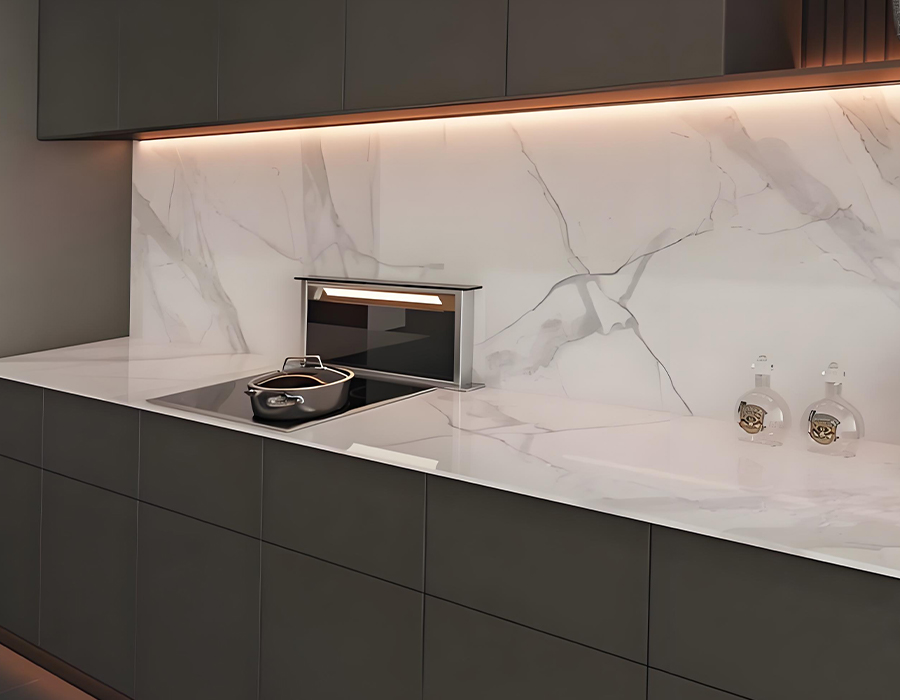 What Are the Key Benefits of Using PEC Wall Panels in Prefabricated Kitchen Pods?
What is a PEC Wall Prefabricated Kitchen and Why is it a Game-Changer? The modern housing ...
READ MORE



-
 16 Jul, 2026
 -
10 Jul, 2026
-
09 Jul, 2026
-
07 Jul, 2026
-
02 Jul, 2026
-
24 Jun, 2026

Copyright © 2025 Jiangsu Kounor Home Technology Co., Ltd.
All Rights Reserved.
Custom Prefabricated Restroom Building, Prefabricated Kitchenette Suppliers
