
 English
 русский
 عربى
عربىHow to assemble prefabricated bathrooms
Introduction to SMC Prefabricated Complete Bathroom Assembly
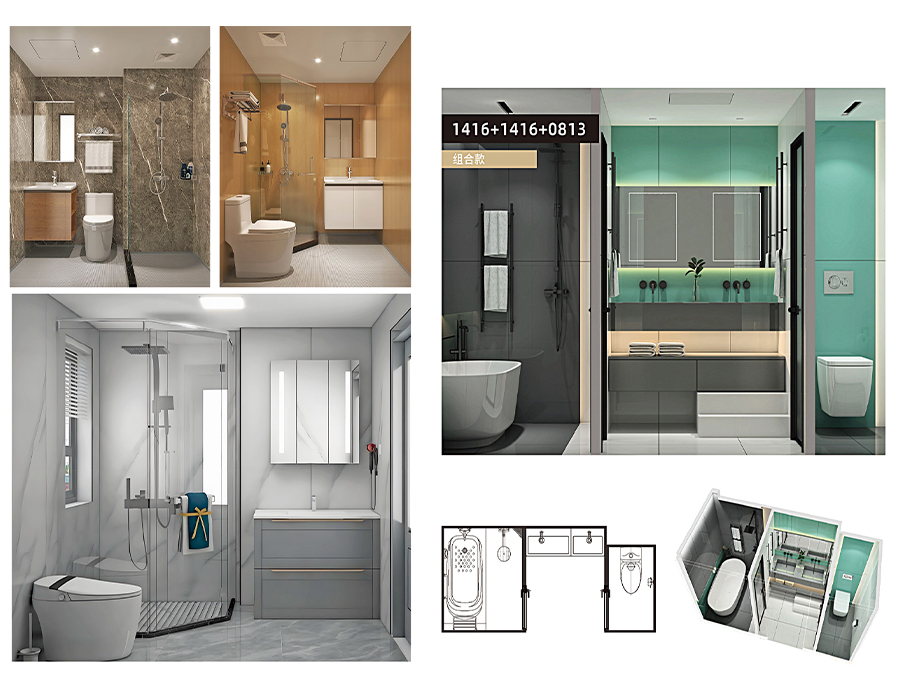
Prefabricated bathrooms are gaining popularity for their efficiency, cost-effectiveness, and ease of installation. These pre-assembled units are designed to simplify the bathroom installation process, especially in construction projects with tight timelines. This guide will walk you through the steps involved in assembling a SMC Prefabricated Complete Bathroom and provide helpful tips for successful installation.
Materials Needed for Assembling a Prefabricated Bathroom
Before beginning the assembly, you will need the following materials and tools:
- SMC prefabricated bathroom unit
- Power drill
- Screws and anchors
- Silicone sealant
- Measuring tape
- Level tool
- Wrench set
- Utility knife
Step-by-Step Process to Assemble the Prefabricated Bathroom
Step 1: Prepare the Installation Area
Start by clearing the area where the prefabricated bathroom will be installed. Ensure the floor is level and free of any debris that could obstruct the installation. Check for any plumbing or electrical connections that need to be integrated with the bathroom unit.
Step 2: Unbox the Prefabricated Bathroom
Carefully unbox the components of the SMC prefabricated bathroom. Verify that all parts are present, including the wall panels, ceiling, floor, doors, and plumbing fixtures. Lay them out in the installation area for easy access during the assembly process.
Step 3: Install the Floor Panel
The first part of the bathroom to install is the floor panel. Using the measuring tape, ensure that the panel is aligned properly with the installation area. Use a level to verify that the floor is perfectly level. Once in position, secure the floor panel using screws or anchors as specified by the manufacturer.
Step 4: Attach the Wall Panels
Next, install the wall panels by aligning them with the floor panel. Secure each panel with screws, ensuring that the edges fit together seamlessly. Pay attention to any plumbing or electrical ports that need to be connected at this stage.
Step 5: Install the Ceiling Panel
After the walls are securely in place, install the ceiling panel. This may require assistance due to the weight and size of the panel. Use screws to attach the ceiling, ensuring that it aligns properly with the wall panels.
Step 6: Install Plumbing and Electrical Fixtures
Connect the plumbing fixtures, including the showerhead, faucet, and drains, to the pre-installed pipes within the bathroom unit. For electrical fixtures, such as lighting and ventilation fans, make the necessary connections to the building’s electrical system.
Step 7: Seal Gaps and Install Doors
Use silicone sealant to fill any gaps between the panels to ensure a watertight seal. Install the doors, making sure that they are properly aligned and can open and close smoothly. The door installation may require additional support depending on the type of door chosen for the bathroom.
Step 8: Final Inspection and Testing
Once the installation is complete, perform a thorough inspection. Test the plumbing fixtures to ensure proper water flow, check the electrical components, and verify that all seals are intact. If everything is functioning correctly, clean the unit and prepare it for use.
Benefits of Using SMC Prefabricated Bathrooms
Prefabricated bathrooms, especially those made from SMC (Sheet Molding Compound), offer numerous benefits for both residential and commercial projects:
- Quick and easy installation
- Durability and resistance to wear
- Waterproof and mold-resistant
- Low maintenance requirements
- Environmentally friendly materials
FAQ
Q1: How long does it take to assemble a prefabricated bathroom?
The assembly time can vary depending on the complexity of the unit and the skill level of the installers. On average, it can take between 4 to 8 hours for a team to complete the installation of a prefabricated bathroom.
Q2: Can I install a prefabricated bathroom myself?
Yes, many people choose to install prefabricated bathrooms themselves. However, it is recommended to have some experience with plumbing and electrical work to ensure the installation is done correctly.
Q3: Do I need to modify my plumbing and electrical connections for a prefabricated bathroom?
In most cases, prefabricated bathrooms are designed to integrate with existing plumbing and electrical systems. However, you may need to make minor adjustments based on the specific requirements of the bathroom unit.
Q4: Are SMC prefabricated bathrooms durable?
Yes, SMC prefabricated bathrooms are known for their durability. SMC material is resistant to wear and tear, moisture, and environmental conditions, making it an ideal choice for long-lasting bathroom installations.
Q5: Can I customize the layout of my prefabricated bathroom?
While prefabricated bathrooms come in standard layouts, some manufacturers offer customization options for specific needs. It's best to consult with your supplier for available customization options.
-
 What Are the Key Benefits of Using PEC Wall Panels in Prefabricated Kitchen Pods?
Introduction: Revolutionizing Kitchen Construction with Integrated Solutions The construct...
READ MORE -
 What Are the Key Benefits of Using PEC Wall Panels in Prefabricated Kitchen Pods?
1. Introduction In modern construction and interior design, walls are no longer just for d...
READ MORE -
 What Are the Key Benefits of Using PEC Wall Panels in Prefabricated Kitchen Pods?
Introduction The construction and interior design industries have witnessed a remarkable s...
READ MORE -
 What Are the Key Benefits of Using PEC Wall Panels in Prefabricated Kitchen Pods?
What is a PEC Wall Prefabricated Kitchen and Why is it a Game-Changer? The modern housing ...
READ MORE



-
 16 Jul, 2026
 -
10 Jul, 2026
-
09 Jul, 2026
-
07 Jul, 2026
-
02 Jul, 2026
-
24 Jun, 2026

Copyright © 2025 Jiangsu Kounor Home Technology Co., Ltd.
All Rights Reserved.
Custom Prefabricated Restroom Building, Prefabricated Kitchenette Suppliers
