
 English
 русский
 عربى
عربىWhat anti-slip and waterproof technologies are used in an smc prefabricated complete bathroom floor?
In modern modular construction, the smc prefabricated complete bathroom has emerged as a highly efficient, durable, and cost-effective solution. These systems are factory-built, fully integrated bathroom modules that include walls, ceiling, plumbing, drainage, and most critically, the floor. One of the key challenges in such environments is ensuring the bathroom floor is both anti-slip (to protect against falls) and waterproof (to prevent leaks, water damage, and plumbing issues). I
Why anti-slip and waterproof features are critical in a prefabricated bathroom
Safety and user experience
In any bathroom—especially one used in multi-family housing, hotels, or institutional settings—wet floors present a serious safety risk. Slipping is a common cause of accidents, and a robust anti-slip surface helps mitigate that risk. Within an smc prefabricated complete bathroom, where the floor is often molded and monolithic, integrating anti-slip features into the material itself is more reliable than adding external mats.
Structural integrity and moisture control
Water leakage can lead to structural damage, mildew, and long-term maintenance issues. A waterproof floor prevents water from seeping into the substructure, minimizing the risk of warping, corrosion, or mold growth. For modular units, which may be stacked or transported, waterproofing is essential to maintain the module’s integrity during installation and over its service life.
Regulatory compliance and code requirements
Building codes and health-safety regulations often demand slip-resistance levels (often expressed via coefficient of friction ratings) as well as waterproofing performance. For modular bathroom modules used in commercial construction, compliance is non-negotiable. Advanced anti-slip and waterproof systems help manufacturers meet or exceed these building code requirements.
Operational efficiency and cost savings
From a buyer’s perspective, the long-term maintenance cost of an smc prefabricated complete bathroom can be significantly reduced by using durable, integrated technologies. Anti-slip surfaces reduce liability and cleaning costs; waterproof floors reduce water damage and repair frequency. Efficient manufacturing of these features reduces installation time and waste.
Material properties of SMC that support anti-slip and waterproofing
To understand how anti-slip and waterproof technologies are implemented, it helps to first examine the properties of SMC (Sheet Molding Compound), a fiber-reinforced polymer composite used in many prefabricated bathroom systems.
-
Composition of SMC
- SMC typically consists of a thermosetting resin matrix (often unsaturated polyester), reinforced with glass fibers or other fibers. This composite is molded under heat and pressure.
- It is inherently non-porous at the macroscopic level, which provides a strong base for waterproofing.
-
Mechanical strength
- The glass fibers (or other reinforcement) give high tensile and flexural strength, minimizing cracking or deformation under static and dynamic loads.
- Because of this strength, the floor surface can support embedded textures or microstructures without compromising structural integrity.
-
Chemical resistance
- SMC is resistant to many common cleaning chemicals and water, meaning the waterproofing does not degrade easily.
- This chemical resilience also helps in maintaining anti-slip surfaces that might be exposed to cleaning agents or bath products.
-
Thermal stability
- Prefabricated bathrooms may be exposed to temperature fluctuations during transport and use. SMC’s thermoset nature offers good dimensional stability, preventing warping that could compromise waterproof seals or textured surfaces.
These base properties of SMC make it an excellent substrate for integrating anti-slip textures and waterproofing measures.
Anti-slip technologies used in smc prefabricated complete bathroom floors
Anti-slip (or anti-skid) technologies in the floor of an smc prefabricated complete bathroom can be broadly categorized into surface texture design, coatings and additives, and structural enhancements.
Surface texture design
One of the most straightforward yet effective ways to produce anti-slip behavior is by designing the surface of the SMC floor with a textured pattern. Common strategies include:
- Micro-ribbing or micro-grooving: During the molding process, micro-scale grooves or ridges are incorporated. These features increase the friction coefficient by creating multiple contact points and channels for water to escape, reducing the film of water between a shoe (or foot) and the surface.
- Raised nodules or dimples: Small bumps, dimples, or raised patterns can be molded into the surface. These features concentrate contact force onto smaller areas, increasing grip while also channeling water away.
- Slip-resistant macro-tiles: Some designs use a grid or tile-like macro pattern cast into the floor, where the edges of each “tile” act as barriers to water and provide additional traction.
The benefit of molding these textures directly into the SMC during production is that they are integral to the floor material—they won’t wear off easily and don’t require secondary application.
Coatings, additives, and surface treatments
Beyond molding textures, the anti-slip performance can be further enhanced with coatings or additives:
- Anti-slip polymer dispersions: After molding, a thin polymer-based dispersion (e.g., polyurethane or acrylic) can be applied to the surface, carrying fine grit particles (such as silica or polymer microbeads). These particles protrude slightly, creating friction when contacted.
- Embedded mineral or ceramic particles: During the resin stage of SMC fabrication, inert particles like silica, quartz, or ceramic granules can be mixed into the compound. When the floor is cured, these particles appear on the surface, providing a textured, rough finish that improves slip resistance.
- Matte finish or sandblast finish: A matte finish tends to scatter light and often has more microscopic roughness. Sandblasting the cured SMC surface can also introduce controlled roughness, enhancing anti-slip without significantly altering the visual aesthetics.
Structural enhancements
Some anti-slip strategies go deeper than surface treatments and involve modifications to the substrate or overall design:
- Reinforcement ribs beneath the surface: By adding support ribs just under the top layer of an SMC floor, the floor can resist deflection. Less deflection means a more stable surface underfoot, reducing the risk that the texture flattens under load.
- Dual-density SMC: A two-layer SMC floor could have a more rigid base layer and a top layer that is softer or more compliant. This gradient can help maintain the integrity of anti-slip textures under stress, without making the floor too brittle.
Waterproof technologies used in smc prefabricated complete bathroom floors
Waterproofing in an smc prefabricated complete bathroom floor is crucial. The strategies typically combine material design, seals and joints, and drainage planning.
Material-level waterproofing
At the most fundamental level, the SMC material itself provides excellent water resistance:
- Low porosity: Properly formulated SMC is dense and non-porous, minimizing water absorption into the matrix.
- Resin chemistry: The thermoset resin used in SMC is inherently water-resistant once fully cured, especially when cured under optimal temperature and pressure.
Seals and joint technologies
Even with a waterproof substrate, the floor features (like edges, drains, and interfaces) pose potential leakage risks. Manufacturers employ several strategies to seal these critical areas:
- Pre-molded waterproof flanges: Around the drain area, a built-in waterproof flange is molded in during production. This flange tightly integrates with the drain fitting to prevent seepage.
- Seamless molding: By molding the bathroom floor as a single unit (or very few pieces), the number of seams is minimized, reducing potential leak points.
- Elastomeric sealants: At joints (for example, where the floor meets walls or penetrations), elastomeric sealants (such as flexible silicone-like compounds) are used to absorb movement while maintaining a waterproof barrier.
- Gasket systems: For removable components or service access panels, gasket systems made of durable rubber or EPDM may be used to ensure a water-tight seal.
Drainage design and water management
Effective waterproofing also depends on how water is directed away from the surface:
- Sloped floor design: The floor is typically molded with a slight slope (grade) toward the drain, ensuring that water flows rather than pooling.
- Integrated drainage channels: Subtle channels are designed into the surface texture to guide water toward the drain more efficiently. These channels can be very shallow but effective.
- Overflow systems: In some advanced prefabricated bathrooms, overflow drains or secondary drainage pathways are included to handle excess water, such as in the case of a faucet left running or splashing.
Integration of anti-slip and waterproof technologies in manufacturing
Putting together anti-slip and waterproof features in an smc prefabricated complete bathroom requires careful coordination during the manufacturing process. Below is a description of key steps.
-
Design phase
- Engineers design the floor geometry, texture, and slope using CAD/BIM tools. The design must balance slip resistance, water flow, and structural strength.
- Simulations or prototypes may be used to evaluate water shedding and friction behavior.
-
Material formulation
- The SMC compound is formulated to include necessary additives for both mechanical strength and surface performance (e.g., mineral particles for anti-slip).
- The reinforcement fibers and resin ratios are adjusted to satisfy both structural and surface requirements.
-
Molding process
- The SMC sheet molding compound is placed into steel molds shaped to the desired geometry (slopes, flange, nodule patterns, etc.).
- High-pressure, high-temperature molding cures the material, forming a monolithic floor structure with integrated texture and slope.
-
Post-molding treatment
- After demolding, the surface may be sandblasted, or treated with anti-slip coatings, or washed to expose embedded particles.
- Drain fittings and flanges are inserted, and seals or gaskets are attached as specified.
-
Assembly and sealing
- Joints between the floor and walls are sealed using elastomeric compounds.
- Any access panels or removable parts are fitted with gaskets to maintain waterproofing.
-
Quality control and finishing
- Visual inspections check for proper texture, absence of voids, and surface finish.
- Non-destructive testing (such as leak testing) ensures waterproof integrity before the module is shipped.
Testing and quality assurance of anti-slip and waterproof performance
To ensure an smc prefabricated complete bathroom floor performs as intended, manufacturers conduct rigorous testing. Key tests include:
Anti-slip testing
- Coefficient of friction (CoF) measurement: Laboratories measure dynamic and static friction on the textured floor surface. The CoF is compared to safety standards (e.g., values required for wet barefoot or shoe conditions).
- Wear testing: Surfaces are subjected to repeated abrasion cycles to ensure that anti-slip textures or coatings do not degrade significantly over time.
- Water film testing: Tests simulate a thin film of water on the surface while measuring slip behavior, replicating real-world conditions in showers or bathtubs.
Waterproof testing
- Leak test under pressure: Water is applied or pumped into the floor structure and around critical joints (e.g., drain, seams) to check for leakage.
- Hydrostatic head test: This assesses how much water pressure the floor can withstand before seepage occurs.
- Cycle testing: Repeated wet-dry cycles mimic real-life usage and help identify long-term performance issues such as seal degradation or micro-cracking.
- Chemical resistance test: Exposing the floor and seals to cleaning chemicals, bath products, or harsh environments to verify that waterproofing and seals remain effective.
Maintenance, longevity, and durability
Once installed, the anti-slip and waterproof features of an smc prefabricated complete bathroom floor need to remain reliable over time. Maintenance and durability strategies include:
-
Routine cleaning
- Because SMC is chemically resistant, mild cleaning agents can be used without degrading the surface texture.
- Anti-slip coatings or textured surfaces may trap dirt, so periodic rinsing or low-abrasion scrubbing ensures cleanliness without flattening the texture.
-
Inspection of seals and joints
- Elastomeric sealants and gaskets should be inspected periodically to ensure no shrinking, cracking, or detachment.
- At access points or removable panels, gaskets should be checked and replaced if they show wear.
-
Repair and refurbishment
- Should the anti-slip surface wear over many years, some systems allow for recoating with polymer-dispersion anti-slip layers.
- Cracks or minor damage to SMC can often be repaired using compatible resin repair kits, followed by resealing.
-
Service life expectations
- With proper design, manufacturing, and maintenance, the anti-slip textures and waterproof features of the floor can last for many years, even in high-traffic or high-moisture environments.
- The non-porous nature of SMC, combined with its chemical and mechanical resilience, supports long service life with minimal performance loss in waterproofing or slip-resistance.
Compliance with standards and safety regulations
Ensuring that an smc prefabricated complete bathroom floor meets regulatory performance standards is essential for both manufacturers and buyers. Key compliance considerations include:
- Slip-resistance certification: Many building codes and public safety guidelines require a minimum coefficient of friction under wet conditions. The anti-slip technologies described must be validated by accredited test laboratories.
- Waterproofing compliance: The floor must comply with water-tightness standards for plumbing installations, which may involve local building codes or international standards depending on the project’s location.
- Fire and structural safety: Though not directly about slip or waterproofing, the SMC floor must also meet fire safety and load-bearing requirements. The integrity of seals under heat is often assessed.
- Sustainability and health: Low-emissions materials or sealants might be required in certain certification programs (e.g., green building standards). Waterproof coatings and anti-slip additives should be chosen with volatile organic compound (VOC) emission in mind.
Practical applications and benefits
Understanding anti-slip and waterproof technologies in the context of real-world applications helps illustrate their value. Here are some key scenarios where these technologies make a difference:
Modular hotels and hospitality
In hotels built with modular construction, many bathroom modules are repeated across floors. Anti-slip and waterproof SMC floors help reduce liability (guest falls), decrease maintenance costs, and ensure uniform quality across units. Because the modules are manufactured off-site, these technologies are tightly controlled in a factory, ensuring consistency.
Multi-family housing and affordable housing
Prefabricated bathroom modules are often used in apartment buildings or affordable housing projects. Floors featuring built-in anti-slip textures reduce the risk of accidents for residents, while waterproofing prevents leaks that could damage adjacent apartments or building structures.
Institutional buildings (hospitals, dormitories, care homes)
In institutional settings, bathroom safety is critical. Elderly or mobility-impaired users benefit from reliable anti-slip surfaces, and building owners value waterproof floors that minimize repair needs.
Transportable and mobile housing
In mobile homes, temporary housing, or disaster-relief units, prefabricated bathrooms must endure movement, vibration, and repeated installation. Waterproofing and durable textured surfaces ensure that slippage and leakage do not become a problem even under non-ideal conditions.
Future trends in anti-slip and waterproof technologies for smc prefabricated bathrooms
Looking ahead, several developments may influence how anti-slip and waterproof features evolve in smc prefabricated complete bathroom floors:
-
Nanotechnology enhancements
- Use of nano-particles or nano-coatings (e.g., silica nanoparticles) could further improve texture at microscopic scales while remaining very smooth to the touch.
- Self-cleaning or hydrophobic nanopatterns may help repel water and contaminants, reducing maintenance and improving long-term grip.
-
Smart surfaces
- Adaptive or responsive surfaces that adjust their roughness or grip based on moisture or temperature could become possible. For example, materials that stiffen under wet conditions, improving grip, and soften when dry for comfort.
- Integration with IoT sensors to detect wear or seal degradation in waterproof boundaries and alert maintenance teams.
-
Sustainable and green materials
- Eco-friendly resins with lower environmental impact may be developed, while still offering water resistance and structural strength.
- Recycled or bio-based filler particles for anti-slip textures could reduce reliance on mined minerals.
-
Additive manufacturing / 3D printing
- Future manufacturing of smc prefabricated bathroom modules might leverage 3D printing techniques to lay down anti-slip patterns precisely where needed.
- This could allow dynamic customization of texture in high-risk zones (e.g., around drains) or more complex geometries for better drainage.
-
Improved test methods and standards
- As technologies evolve, new slip-resistance standards and testing procedures (including real-world simulations) may emerge to better assess performance under actual usage.
- Enhanced quality-assurance protocols may incorporate machine vision or automated inspection of texture and seal integrity.
Conclusion
Anti-slip and waterproof features are foundational to the design and performance of an smc prefabricated complete bathroom floor. The inherent advantages of SMC—its strength, non-porosity, chemical resistance, and moldability—make it an ideal material. By combining:
- Surface texture designs (micro-ribbing, nodules, macro patterns),
- Coatings or embedded particles (grit, mineral additives, polymer dispersions), and
- Structural enhancements (dual-density layers, reinforcement ribs),
manufacturers can deliver floors that meet rigorous slip-resistance standards. Simultaneously, waterproofing is addressed via the non-porous SMC base, seamless molding, pre-molded flanges, elastomeric seals, and thoughtful drainage design.
Robust quality assurance testing ensures that these systems perform reliably, while routine maintenance helps prolong their life. Compliance with building and safety standards further protects both manufacturers and end users.
In real-world applications—hotels, multi-family housing, healthcare, mobile units—the benefits of a well-designed, anti-slip, waterproof smc prefabricated complete bathroom floor are clear: improved safety, reduced maintenance costs, and long-term durability.
-
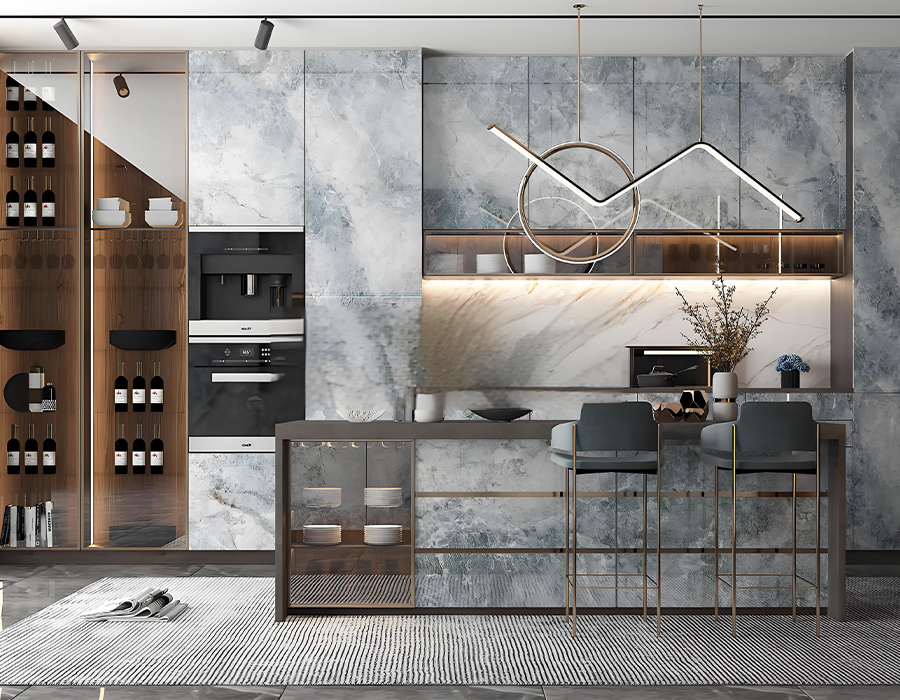 What Are the Key Benefits of Using PEC Wall Panels in Prefabricated Kitchen Pods?
Introduction: Revolutionizing Kitchen Construction with Integrated Solutions The construct...
READ MORE -
 What Are the Key Benefits of Using PEC Wall Panels in Prefabricated Kitchen Pods?
1. Introduction In modern construction and interior design, walls are no longer just for d...
READ MORE -
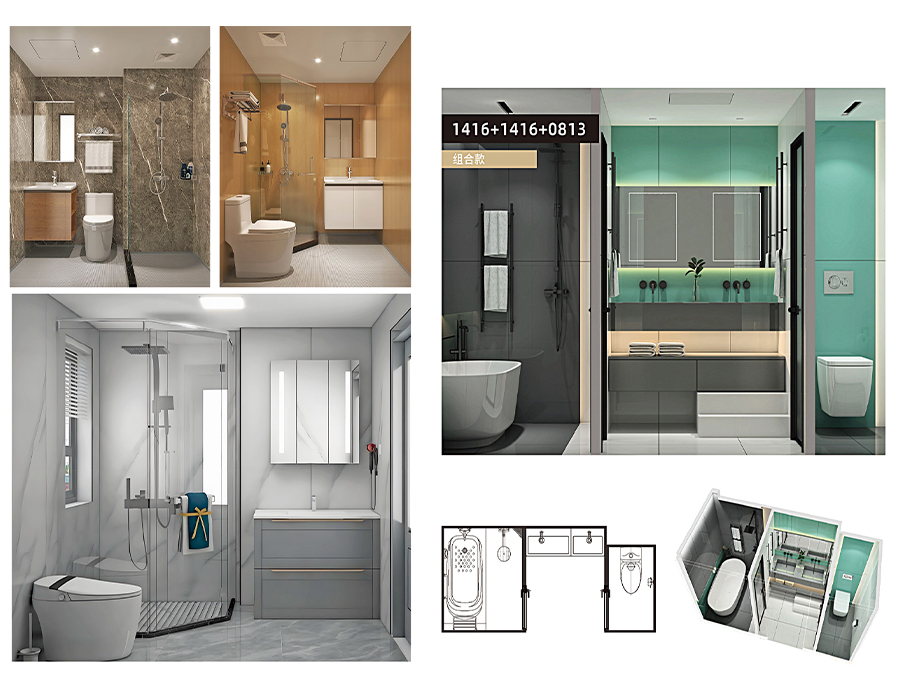 What Are the Key Benefits of Using PEC Wall Panels in Prefabricated Kitchen Pods?
Introduction The construction and interior design industries have witnessed a remarkable s...
READ MORE -
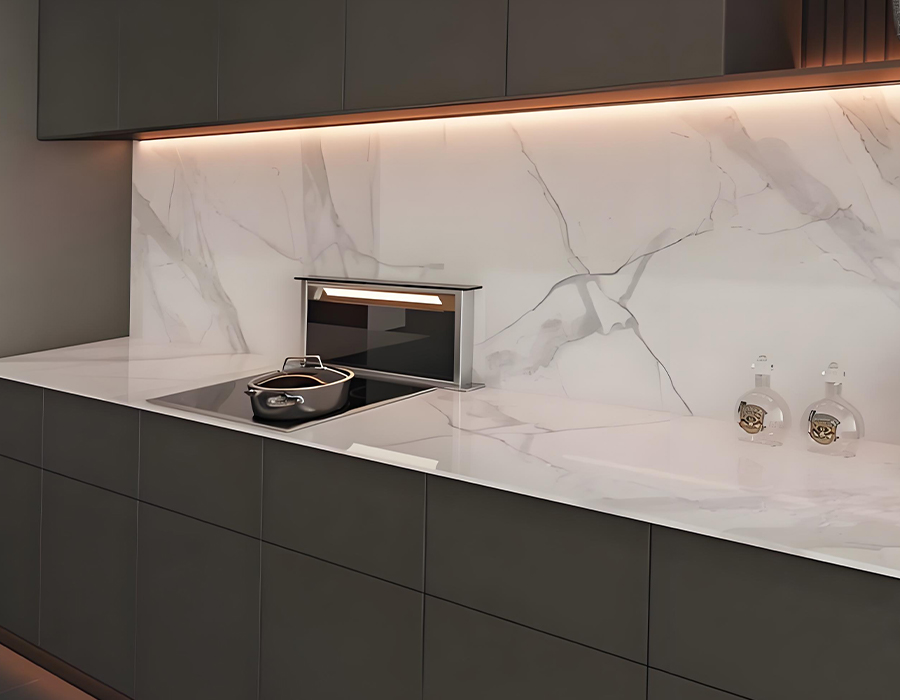 What Are the Key Benefits of Using PEC Wall Panels in Prefabricated Kitchen Pods?
What is a PEC Wall Prefabricated Kitchen and Why is it a Game-Changer? The modern housing ...
READ MORE


-
 16 Jul, 2026
 -
10 Jul, 2026
-
09 Jul, 2026
-
07 Jul, 2026
-
02 Jul, 2026
-
24 Jun, 2026

Copyright © 2025 Jiangsu Kounor Home Technology Co., Ltd.
All Rights Reserved.
Custom Prefabricated Restroom Building, Prefabricated Kitchenette Suppliers
