
 English
 русский
 عربى
عربىHow does the honeycomb paneling in a pec honeycomb modular bathroom pod contribute to overall structural stability?
The evolution of modular construction has significantly improved the efficiency, reliability, and consistency of interior building components. Among these advancements, the pec honeycomb modular bathroom pod has emerged as a specialized solution offering improved performance for a wide range of construction projects.
Understanding the role of honeycomb paneling in modular bathroom pods
The structural design of a pec honeycomb modular bathroom pod centers on the use of honeycomb paneling as the primary internal framework. These panels form the walls, flooring layers, and in some configurations, sub-roof components of the pod. Because modular bathroom pods must maintain structural integrity during transportation, hoisting, and installation, the choice of materials and internal reinforcement is particularly important.
Honeycomb paneling is characterized by a layered structure composed of two surface skins bonded to a lightweight internal honeycomb core. Although lightweight, this configuration provides notable rigidity, and it plays a decisive role in stabilizing the pod against mechanical loads, vibrations, and environmental variations. The paneling offers a combination of strength and efficiency that aligns with the performance expectations of buyers searching for terms such as high-strength modular bathroom pods or impact-resistant bathroom pod design.
Why structural stability is critical in modular bathroom pods
A modular bathroom pod is a fully assembled unit delivered to a construction site for installation. Throughout this process, the pod must withstand multiple stress factors, including:
- Movement and lifting during loading and transport.
- Vibration during delivery from manufacturing facilities.
- Compression and torsion during positioning into a final building structure.
- Service loads and usage stresses over the lifetime of the building.
The pec honeycomb modular bathroom pod is engineered to address these stresses with a stable structural system. Structural stability ensures that the pod retains its geometry, keeps fixtures aligned, prevents deformation, and safeguards the durability of internal components. Honeycomb paneling performs these functions by distributing load forces uniformly, maintaining rigidity, and resisting deformation.
Advantages of honeycomb paneling for structural stability
The use of honeycomb paneling introduces several advantages that enhance structural stability. These advantages support the performance expectations associated with long-life modular bathroom pods, stable prefabricated bathroom units, and reinforced pod structures.
1. Enhanced rigidity with controlled weight distribution
The honeycomb core provides stability by distributing loads evenly across its internal structure. This reduces the likelihood of bending or warping under mechanical loads. Because the core itself is lightweight, the panel maintains a favorable strength-to-weight ratio, reducing overall pod mass while sustaining required stiffness. The resulting structure supports the stability needs of large-scale installations without imposing excessive weight on the building structure.
2. Resistance to surface deformation
Surface deformation can cause misalignment of fixtures, uneven tile finishes, or premature structural fatigue. Honeycomb paneling maintains its planar stability under pressure, ensuring that interior surfaces within a pec honeycomb modular bathroom pod remain even. This provides a reliable installation surface for wall cladding, waterproof layers, and integrated fixtures.
3. Multidirectional strength characteristics
The geometric configuration of honeycomb cores supports load-bearing performance from multiple directions. Whether stresses originate from vertical compression, horizontal movement, or rotational forces during transportation, the honeycomb structure mitigates deformation across the entire panel assembly. This multidirectional strength contributes to uniform performance, enhancing the overall stability of the pod.
4. Vibration damping and impact resistance
Transport and installation often involve vibration and impact. The internal honeycomb structure absorbs and disperses vibrational energy, ensuring that fixtures within the pod—such as basins, shower systems, and piping—remain protected. This vibration resistance aligns with buyer expectations for secure long-distance pod transportation and impact-tolerant modular bathroom construction.
5. Strong bonding surface for integrated systems
A modular bathroom pod contains integrated plumbing, electrical systems, insulation layers, and surface finishes. Honeycomb paneling provides a reliable bonding surface that supports these systems without requiring heavy reinforcement. This ensures long-term adherence, minimizing the risk of detachment or structural wear.
How honeycomb paneling supports building code compliance
The structural stability provided by honeycomb paneling helps ensure that the pec honeycomb modular bathroom pod aligns with common building performance requirements related to interior components. While the specific codes may vary by region, modular bathroom pods must generally meet standards relating to:
- Structural integrity under normal load conditions.
- Fire resistance requirements for interior partitions.
- Water resistance and moisture control for bathroom environments.
- Safety performance during installation and long-term use.
Because honeycomb paneling enhances rigidity and surface uniformity, it creates a stable foundation for the application of compliant surface materials, coatings, and protective layers. The inherent stability of the system reduces the risk of structural failure or deformation, helping maintain compliance across the lifespan of the pod.
Manufacturing precision and its influence on structural stability
The engineering of honeycomb paneling is complemented by precision manufacturing processes that ensure the assembly meets the requirements of a fully prefabricated interior unit. These processes involve the controlled lamination of outer skins, accurate placement of honeycomb cores, and testing of bonding integrity.
High manufacturing precision supports structural stability by:
- Guaranteeing consistent panel thickness and flatness.
- Ensuring airtight bonding between core and surface skins.
- Minimizing tolerance variations across pod components.
- Improving repeatability for large-volume production runs.
These attributes allow each pec honeycomb modular bathroom pod to deliver predictable structural performance, meeting the expectations of buyers searching for quality-assured bathroom pods or high-precision modular bathroom systems.
Stability during transportation and installation
A key challenge for modular bathroom pods is the set of structural stresses encountered before they are even placed in the building. Stability must be preserved despite:
- Lifting with cranes.
- Transport on uneven roads.
- Shifting caused by handling equipment.
- Placement in tight indoor spaces such as corridors or vertical shafts.
Honeycomb paneling provides the necessary stability for these tasks by preventing twists, bends, and wall deformation, especially in floor and wall sections. The lightweight but rigid structure also reduces the likelihood of damage during movement.
Below is a table summarizing how honeycomb panel characteristics support transportation and installation needs:
| Structural Requirement | Honeycomb Panel Contribution |
|---|---|
| Resistance to bending | Distributed load paths maintain rigidity |
| Impact tolerance | Internal core absorbs shock |
| Lightweight handling | Combined core and skin reduce weight |
| Surface protection | Stable walls prevent damage to finishes |
| Geometric consistency | Minimizes distortion during lifting |
This stability ensures predictable installation and helps prevent misalignment when connecting plumbing, electrical conduits, and mechanical systems.
Long-term performance in building environments
A pec honeycomb modular bathroom pod must maintain performance over extended periods of use. Long-term structural stability directly affects the durability of interior finishes, fixtures, and functional systems.
Honeycomb paneling contributes to long-term performance by ensuring:
- Resistance to humidity in bathroom environments.
- Consistent load support for mounted fixtures.
- Stable geometry that prevents cracks in surface finishes.
- Reliable anchoring for internal components.
- Controlled thermal expansion, reducing material stress.
The stability provided by honeycomb structures supports seamless integration with waterproof membranes, wall tiles, and ceiling components, reinforcing the pod’s ability to sustain daily usage stresses.
Interior design flexibility supported by structural stability
Although structural performance is a technical concern, it also influences interior design possibilities. A stable panel provides greater freedom for layout selection, fixture placement, and customization options often used in project-specific installations.
Stable honeycomb walls enable:
- Consistent installation of heavy fixtures such as cabinets or mirrors.
- Secure mounting of plumbing hardware and support accessories.
- Precise alignment of decorative surfaces.
- Reliable performance for embedded lighting, electrical outlets, and ventilation components.
For buyers searching for customizable modular bathroom pods or interior flexibility in prefabricated bathrooms, honeycomb paneling ensures that structural expectations and design needs are met simultaneously.
Environmental considerations related to honeycomb paneling
Sustainability is increasingly important for modular construction buyers who search for eco-friendly bathroom pods or lightweight modular construction materials. The lightweight nature of honeycomb panels reduces material usage and transportation energy consumption. Their durability also contributes to long lifecycle performance, lowering environmental impact.
Additionally, honeycomb structures support efficient installation, reducing on-site waste and labor requirements for the pec honeycomb modular bathroom pod. These factors collectively contribute to a more sustainable construction approach.
Installation accuracy and its reliance on panel stability
Precise installation of a modular bathroom pod depends significantly on the stability and dimensional accuracy of its structural panels. Misalignment or instability can lead to long-term issues such as water leakage, improper fixture performance, or safety concerns.
Honeycomb paneling supports installation accuracy by ensuring:
- Stable anchor points for plumbing fixtures.
- Flat surfaces for finished wall coverings.
- Predictable geometry for tight-fitting building interfaces.
- Reduced risk of warping when exposed to humidity.
Accurate installation reduces long-term operational issues and supports the general reliability associated with the pec honeycomb modular bathroom pod.
Performance during usage and maintenance cycles
Once installed, the bathroom pod enters a long-term phase of daily usage. Structural stability remains essential for supporting routine activities such as cleaning, showering, and maintenance tasks. Honeycomb panels maintain the necessary rigidity to preserve the shape and stability of the pod over decades.
This stability ensures:
- Long-term attachment of fixtures and accessories.
- Maintenance-free structural behavior.
- Prevention of cracks or joint separation in interior surfaces.
- Reduction in repairs caused by structural stress.
For buyers searching for low-maintenance bathroom pod systems, the stability of honeycomb structures provides reassurance.
Contribution to overall pod lifespan
The lifespan of a modular bathroom pod is directly influenced by how well its structural components resist stress and deformation. With honeycomb paneling, the pec honeycomb modular bathroom pod maintains its intended performance over extended usage periods, supporting a long service life and maintaining consistent structural behavior.
A long lifespan contributes to building ROI and aligns with buyer expectations related to durable prefabricated bathrooms and long-lasting modular bathroom solutions.
Conclusion
Honeycomb paneling plays a foundational role in ensuring the structural stability of the pec honeycomb modular bathroom pod. Its ability to distribute loads, resist deformation, enhance vibration resistance, support interior systems, and maintain stable geometry under stress contributes directly to the pod’s durability and operational reliability. For buyers, developers, and project managers seeking bathroom pod solutions that deliver long-term performance, honeycomb paneling offers a balanced combination of strength, efficiency, and installation convenience.
The stability provided by honeycomb paneling not only supports the pod’s immediate structural requirements but also ensures performance throughout its service life. With its reliable mechanical behavior, design flexibility, and compatibility with modern construction needs, honeycomb paneling remains a key component in delivering structurally sound modular bathroom pods that meet the expectations of diverse building projects.
-
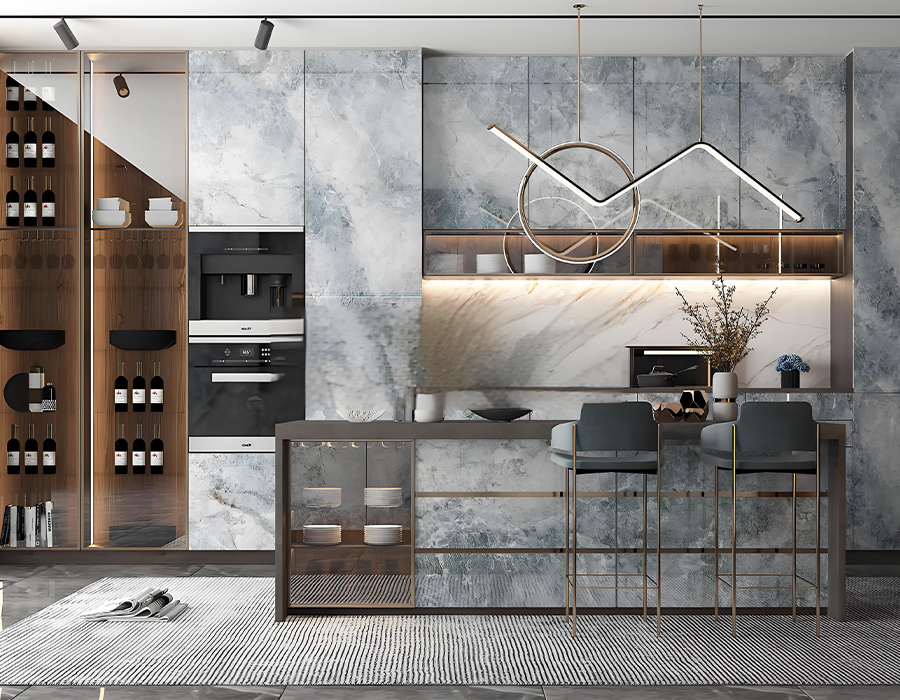 What Are the Key Benefits of Using PEC Wall Panels in Prefabricated Kitchen Pods?
Introduction: Revolutionizing Kitchen Construction with Integrated Solutions The construct...
READ MORE -
 What Are the Key Benefits of Using PEC Wall Panels in Prefabricated Kitchen Pods?
1. Introduction In modern construction and interior design, walls are no longer just for d...
READ MORE -
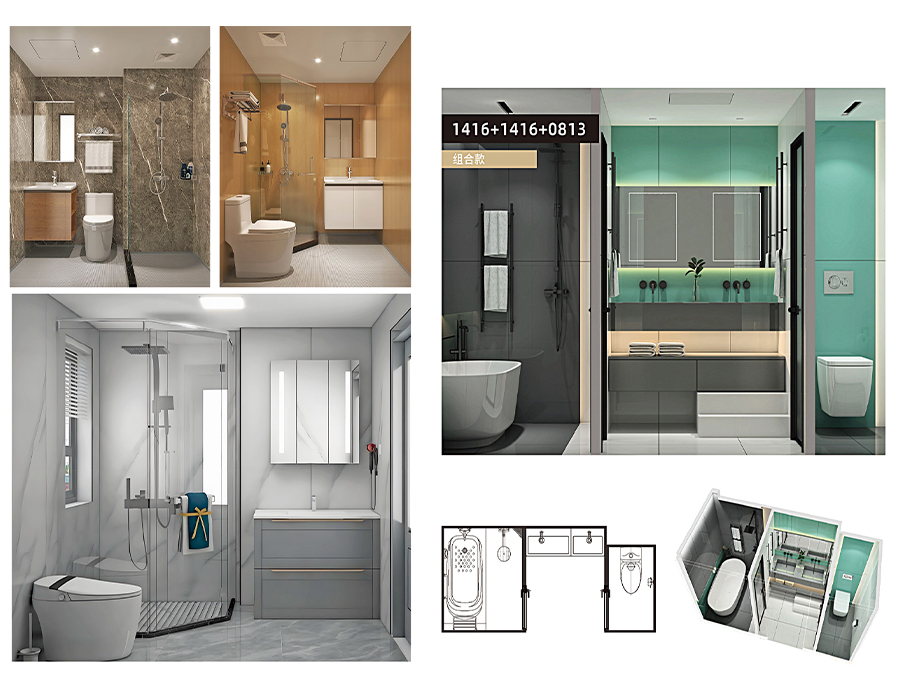 What Are the Key Benefits of Using PEC Wall Panels in Prefabricated Kitchen Pods?
Introduction The construction and interior design industries have witnessed a remarkable s...
READ MORE -
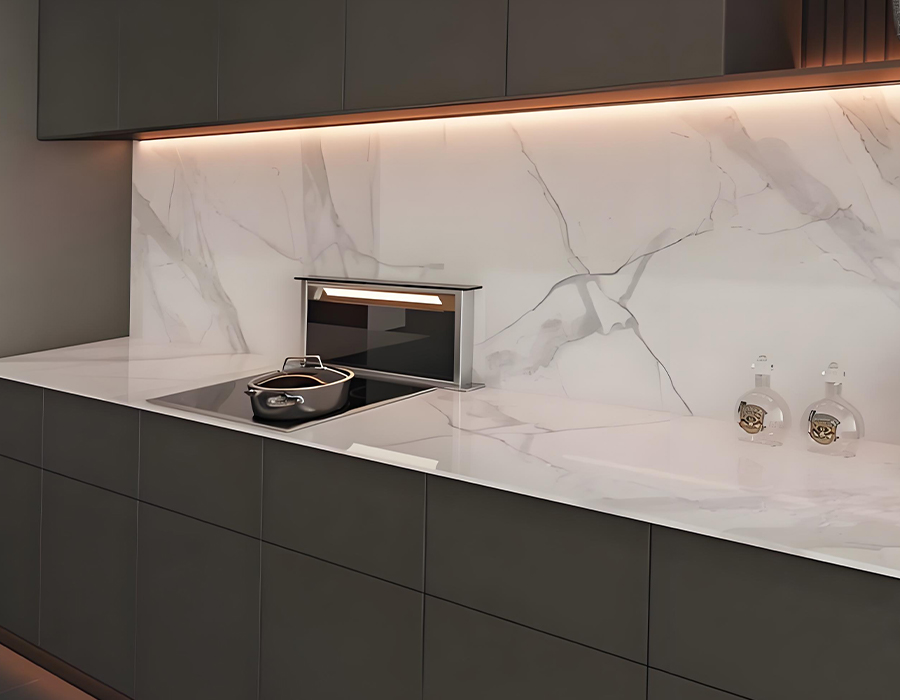 What Are the Key Benefits of Using PEC Wall Panels in Prefabricated Kitchen Pods?
What is a PEC Wall Prefabricated Kitchen and Why is it a Game-Changer? The modern housing ...
READ MORE



-
 16 Jul, 2026
 -
10 Jul, 2026
-
09 Jul, 2026
-
07 Jul, 2026
-
02 Jul, 2026
-
24 Jun, 2026

Copyright © 2025 Jiangsu Kounor Home Technology Co., Ltd.
All Rights Reserved.
Custom Prefabricated Restroom Building, Prefabricated Kitchenette Suppliers
