
 English
 русский
 عربى
عربىWhat are the main components of a prefab integrated bathroom?
Introduction to Modular Sanitary Construction
The commercial and residential construction industries are undergoing a massive paradigm shift, moving away from traditional, labor-intensive on-site wet construction methods toward highly efficient, factory-controlled modular building techniques. At the forefront of this architectural revolution is the prefab integrated bathroom. This innovative approach to sanitary space construction consolidates what would typically require up to ten different skilled trades into a single, cohesive, factory-built unit. By understanding the main components of these modular systems, architects, developers, and engineers can better appreciate how they deliver superior quality, reduce project timelines, and minimize long-term maintenance liabilities.
A prefabricated bathroom pod is not merely a collection of fixtures placed inside a box; it is a highly engineered environment where every structural element, plumbing line, electrical connection, and surface finish is designed to work in perfect synchronization. The primary goal of this integration is to eliminate the variables and inconsistencies inherent in traditional construction. When a bathroom is built on-site, it is subject to weather conditions, scheduling conflicts between plumbers and electricians, and the inevitable human error associated with manual material application. In contrast, an integrated unit is assembled on an automated production line, subject to stringent quality assurance protocols that ensure every joint is perfectly sealed and every system functions flawlessly before it ever reaches the construction site.
To fully grasp the complexity and engineering brilliance behind these units, one must break down the structure into its foundational components. The main components of a prefabricated modular bathroom can be broadly categorized into the structural chassis and enclosure, the integrated mechanical and plumbing systems, the electrical and lighting networks, the internal sanitary fixtures, and the advanced waterproofing mechanisms. Each of these macro-categories contains numerous micro-components, all fabricated from advanced materials chosen for their durability, acoustic performance, and resistance to moisture.
This comprehensive analysis will explore each of these main components in exhaustive detail. We will examine the material sciences behind the structural panels, the fluid dynamics considerations in the plumbing manifolds, the safety protocols governing the electrical harnesses, and the rigorous testing methodologies applied to the final assembly. By dissecting the integrated bathroom into its constituent parts, we reveal how this modular approach can reduce installation time by up to eighty percent while simultaneously increasing the overall lifecycle of the building's sanitary infrastructure.
Furthermore, understanding these components is vital for modern building management and maintenance. Because the components are designed for manufacturing and assembly, they are also inherently designed for accessibility and repair. Unlike traditional bathrooms where a leaking pipe might require destroying a tiled wall, modular bathrooms utilize strategic access panels and standardized components that make long-term facility management significantly more efficient and cost-effective.
The Core Structural Chassis and Floor Pan Receptacle
The Foundation of the Modular Pod
The integrity of any prefabricated sanitary unit begins with its foundation, commonly referred to as the structural chassis or the base receptacle. This component must serve multiple critical functions: it must support the static weight of the internal fixtures, bear the dynamic load of human occupants, provide a rigid base for lifting and transportation, and act as the primary defense against water leakage. Traditional bathroom floors rely on a complex buildup of concrete screed, waterproofing membranes, and ceramic tiles, which are highly susceptible to cracking and subsequent leaking over time. The integrated modular approach replaces this vulnerable system with a single, unified engineered floor pan.
Typically manufactured from highly resilient materials such as Sheet Molding Compound, advanced Fiberglass Reinforced Plastic, or aviation-grade aluminum honeycomb panels, the floor pan is molded under immense heat and pressure. This manufacturing process creates a continuous, non-porous surface with zero seams or grout lines in the primary wet areas. The structural strength of this base is engineered to withstand significant deflection stresses. When a heavy volumetric pod is lifted by a crane and hoisted several stories into a building superstructure, the chassis ensures that the unit remains perfectly square and that the internal wall panels do not crack or separate from the base.
Integrated Drainage Gradients and Leveling Mechanisms
One of the most technically challenging aspects of traditional bathroom construction is achieving the correct floor slope toward the drainage point. Hand-troweled screeds are often inconsistent, leading to standing water, which promotes mold growth and structural degradation. In a prefabricated chassis, the precise gradients required for optimal fluid dynamics are permanently molded into the floor pan itself. The CNC-machined molds used in the factory ensure that every single floor pan produced has the exact mathematical slope required to channel water swiftly and efficiently into the central drain or linear trench drain.
Beneath the visible floor surface lies an intricate system of structural ribs and adjustable leveling feet. Because the structural concrete slabs of commercial buildings are rarely perfectly level, the bathroom pod must possess the ability to be independently plumbed and leveled on-site. Heavy-duty galvanized steel leveling bolts are integrated into the underside of the chassis. These allow installation crews to make micro-adjustments to the height and pitch of the unit, ensuring that it sits perfectly flush with the exterior corridor flooring while maintaining its internal structural integrity.
Additionally, the perimeter of the floor pan features a molded, raised lip, often referred to as an upstand. This upstand typically rises several inches above the floor level behind the wall panels. This crucial design element ensures that even in the event of a catastrophic internal flood, water is contained within a watertight capsule and channeled down the drain, physically preventing it from escaping into the surrounding building structure and causing costly damage.
Wall and Ceiling Enclosure Systems
Advanced Composite Panel Materials
Rising from the structural base are the wall and ceiling panels, which together form the protective envelope of the integrated bathroom. The selection of materials for these components is paramount, as they must provide a visually appealing architectural finish while simultaneously resisting the harshest indoor environments: constant moisture, rapid temperature fluctuations, and exposure to cleaning chemicals. While traditional construction relies on moisture-resistant drywall clad with ceramic tiles, modular pods utilize advanced composite materials designed specifically for extreme durability.
Sheet Molding Compound is one of the most prevalent materials used for these panels. It is a composite material consisting of a thermosetting resin matrix reinforced with glass fibers. When subjected to high temperatures and massive hydraulic pressure inside a specialized press, it cures into an incredibly dense, rigid panel. Unlike porous ceramic tiles, this composite material is entirely impermeable to water. It cannot absorb moisture, meaning it is biologically inert and highly resistant to the proliferation of mildew, bacteria, and fungal growth. Furthermore, the color is typically homogenous throughout the material, meaning minor scratches do not reveal a different substrate color, maintaining the aesthetic integrity of the unit over a lifecycle that can exceed thirty years.
Interlocking Architecture and Thermal-Acoustic Properties
The method by which these panels are joined to one another and to the floor chassis is a masterclass in mechanical engineering. Rather than relying solely on applied sealants or vulnerable grout lines, the panels feature precision-engineered interlocking edges. Using tongue-and-groove or sophisticated overlapping lap-joint designs, the panels physically lock together. Once assembled, structural marine-grade polyurethane adhesives and automotive-grade silicone sealants are applied within the hidden joints. As the panels expand and contract slightly with temperature changes, these elastomeric sealants flex with the structure, maintaining an unbroken waterproof barrier that will not crack or degrade like traditional cementitious grout.
Beyond waterproofing, the wall and ceiling components also play a vital role in thermal and acoustic insulation. Privacy is a major concern in residential and hospitality environments. To address this, the void spaces behind the visible composite panels are often injected with high-density polyurethane foam or fitted with hydrophobic mineral wool insulation. This dense internal layer serves a dual purpose. First, it significantly reduces the transmission of airborne and impact noise—such as the sound of a flushing toilet or running shower—preventing it from disturbing occupants in adjacent rooms. Second, it provides excellent thermal retention, keeping the bathroom warm and preventing the rapid cooling of water vapor, which is the primary cause of surface condensation.
The ceiling panel acts as the structural lid of the pod, tying the upper edges of the walls together to complete the rigid box structure. It is typically pre-cut with precise apertures for the installation of overhead LED lighting fixtures, ventilation extraction fans, and fire suppression sprinkler heads, all of which are integrated seamlessly into the factory assembly process.
Integrated Plumbing and Water Management Systems
Supply Line Architecture and Manifold Distribution
The internal plumbing network is arguably the most critical operational component of a prefab integrated bathroom. A failure in this system can cause catastrophic damage not only to the bathroom itself but to the entire building infrastructure. To mitigate this risk, modular manufacturers employ advanced polymer piping systems, moving away from rigid copper pipes and multiple soldered joints. Cross-linked polyethylene tubing is the industry standard for these applications. This material is highly flexible, allowing it to be bent around corners without the need for elbow fittings.
Every fitting in a plumbing system represents a potential point of failure. By utilizing flexible cross-linked polyethylene, the manufacturer can run continuous, unbroken lines from a central distribution manifold directly to the individual fixtures—the basin, the toilet, and the shower valve. The distribution manifold is typically housed behind a discreet, lockable access panel. This manifold acts as the control center for the water supply, featuring individual shut-off valves for each hot and cold line. This means that if a single fixture requires maintenance, the water supply to that specific fixture can be isolated without shutting down the water supply to the entire bathroom or the surrounding building.
Drainage Mechanisms and Odor Control Technologies
Equally important to the water supply is the complex waste and drainage management system. Traditional bathrooms often suffer from complex, multi-jointed PVC drainage configurations that are prone to blockages and leaks. In an integrated unit, the drainage lines are pre-engineered to perfectly align with the molded gradients of the floor pan. The pipework is typically constructed from high-density polyethylene, which is chemically welded at the joints to create a seamless, monolithic waste network that is entirely leak-proof.
A highly critical component of the drainage system is the water seal trap, which prevents noxious sewer gases from migrating back up through the drainage pipes and into the living space. In highly efficient integrated bathrooms, the floor drain often features an advanced mechanical odor trap. Unlike traditional P-traps that rely solely on a standing pool of water—which can evaporate if the bathroom is unused for extended periods—these advanced traps utilize a specialized silicone membrane or a mechanical spring-loaded valve. This valve opens under the weight of draining water but immediately snaps shut once the flow ceases, providing an absolute physical barrier against sewer gases and pests, regardless of water evaporation.
All internal plumbing components terminate at a designated service shaft or connection zone on the exterior of the pod. During final installation on-site, building contractors only need to make a single connection for the hot water supply, a single connection for the cold water supply, and a single connection for the main waste stack. This plug-and-play methodology drastically reduces the hours required by master plumbers on the construction site.
Electrical, Lighting, and Smart Technologies
Factory-Installed Wiring Harnesses and Ingress Protection
The integration of electricity and water in a confined space presents significant safety challenges. Traditional on-site electrical work in wet zones requires meticulous attention to building codes and the careful routing of individual wires through stud walls. Prefabricated bathrooms eliminate these risks through the use of highly structured, factory-installed electrical wiring harnesses. Similar to the electrical systems found in modern automobiles, these harnesses consist of bundled, heavily insulated cables terminated with standardized, secure plug-and-play connectors.
All electrical components utilized within the integrated pod are strictly rated according to their Ingress Protection standards. Fixtures located within the immediate shower zone, where they are subjected to direct jets of water, require extreme protection and typically operate on safe low-voltage direct current systems. Overhead LED lighting panels are securely sealed into the ceiling component with custom gaskets to prevent moisture laden air from penetrating the electrical housings and causing short circuits or accelerated corrosion.
Integrated Comfort and Smart Features
The electrical components extend far beyond simple illumination. Modern integrated bathrooms incorporate an array of comfort-enhancing electrical elements. Behind the main vanity mirror, an ultra-thin electrical demister pad is often factory-installed. This low-wattage heating element gently warms the glass, preventing steam from condensing on the mirror surface during a hot shower. This completely eliminates the need for users to wipe the mirror down, keeping the glass streak-free and enhancing the user experience in luxury hospitality and high-end residential applications.
Additionally, electrical provisions are made for modern electronic sanitary fixtures. Wall-hung toilets may require dedicated power supplies for integrated bidet wash functions, heated seating, or automated flushing mechanisms. The central junction box of the pod is designed to handle these varied electrical loads. When the pod is installed on-site, the local electrician simply connects the main feed wire from the building's electrical panel into the pod's external junction box, instantly bringing all internal lights, fans, and smart fixtures to life without needing to step foot inside the finished bathroom.
Safety is further guaranteed through rigorous factory testing. Before any pod is wrapped for shipping, the entire electrical system is subjected to comprehensive continuity testing, load testing, and insulation resistance testing. This ensures that the grounding paths are flawless and that there are absolutely no electrical faults hidden within the wall cavities.
Sanitary Ware and Interior Fixtures
Ergonomic and Space-Saving Toilets
The sanitary fixtures are the primary user interface of the integrated bathroom. In modular construction, the selection and installation of these components are heavily focused on maximizing spatial efficiency, promoting ease of cleaning, and ensuring long-term durability. The wall-hung toilet is a hallmark component of the modern prefab bathroom. By mounting the toilet bowl directly to the reinforced structural chassis via a hidden steel frame, the fixture is elevated off the floor entirely.
This design choice has profound implications for maintenance. It eliminates the difficult-to-clean junction where a traditional floor-mounted toilet meets the floor pan, removing a common trap for dirt and bacteria. The heavy-duty steel carrier frame hidden behind the wall panel is engineered to support hundreds of pounds of static downward force, ensuring absolute stability. Furthermore, the water cistern is concealed within this structural cavity. Access to the internal flush valves and fill mechanisms is granted through a removable, decorative flush plate located above the bowl. This concealed approach not only provides a sleek, minimalist aesthetic but also protects the complex plumbing components from accidental damage or vandalism in commercial settings.
Integrated Vanity and Basin Units
The vanity and basin unit is another critical sub-component that benefits greatly from factory integration. Rather than assembling a separate wooden cabinet and dropping a ceramic sink into it, prefab manufacturers often utilize molded composite resins or solid surface materials to create a seamless, one-piece vanity top and basin. This monolithic design means there are no silicone seams connecting the sink to the counter, eliminating another area where mold commonly thrives.
Beneath the basin, the cabinetry is constructed from high-pressure laminates or specialized waterproof boards. Traditional medium-density fiberboard will quickly swell and delaminate if exposed to minor plumbing leaks or high humidity. By utilizing moisture-impervious substrates for the cabinetry components, the lifespan of the interior fixtures matches the extended lifespan of the structural shell. Storage solutions, such as recessed mirrored cabinets, are also physically integrated into the wall panels during the manufacturing process, optimizing the internal footprint of the pod while providing substantial, out-of-the-way storage for the end user.
The faucets and shower control valves are typically constructed from solid brass with high-quality chrome or brushed nickel electroplating. To ensure long-term reliability, these components utilize ceramic disc cartridges instead of traditional rubber washers. These cartridges are highly resistant to the abrasive wear caused by hard water and frequent use, providing years of drip-free operation.
Ventilation and Climate Control Systems
Moisture Extraction and Air Quality Management
In any highly sealed, waterproof environment, the management of air quality and humidity is a critical engineering challenge. A prefab integrated bathroom is essentially a watertight capsule; therefore, without an efficient mechanical ventilation component, steam from hot showers would rapidly condense on every internal surface. This prolonged moisture exposure would degrade towels, paper products, and eventually compromise the comfort and hygiene of the space. To prevent this, a robust, integrated extraction fan is a non-negotiable component.
The ventilation components are carefully calibrated based on the total cubic volume of the pod. Engineers calculate the exact Cubic Feet per Minute extraction rate required to clear the air of suspended moisture rapidly. The extractor unit is typically mounted in the ceiling panel and is connected to a rigid or flexible ducting system that terminates at a standardized exterior port. When installed on-site, this port is seamlessly connected to the building's central HVAC exhaust shafts.
Heating Elements and Fire Damper Integration
For colder climates or luxury residential applications, climate control components are integrated directly into the fabric of the room. Electric radiant underfloor heating mats can be embedded directly into the structural floor pan during the molding process, or laid immediately beneath the final floor finish. These low-profile heating cables warm the floor surface gently, not only providing immense comfort for bare feet but also accelerating the evaporation of residual surface water, thus keeping the bathroom completely dry and safe between uses.
In commercial multi-story construction, the points where ventilation ducts penetrate the structural walls of the pod represent potential pathways for fire propagation. To maintain strict building code compliance, the ventilation components often include integrated intumescent fire dampers. In the event of an extreme temperature rise, these mechanical dampers automatically snap shut, sealing off the ductwork and preserving the fire-rated integrity of the bathroom compartment, preventing smoke and flames from spreading to other areas of the building.
Advanced Waterproofing Mechanisms and Joint Sealing
The Concept of the Watertight Capsule
Water damage is the single leading cause of maintenance expenses in commercial and multi-unit residential buildings. Traditional waterproofing relies heavily on the skill of the applicator; a single missed inch of liquid membrane or a poorly applied strip of joint tape can result in devastating leaks years later. The main components of a prefab bathroom are fundamentally designed to eliminate human error in the waterproofing process, operating on the principle of a holistic, watertight capsule.
This capsule effect is achieved through the structural components themselves. Because the base is a monolithic tray with high continuous edges, and the walls are impermeable panels, the primary defense against water is inherent in the materials, rather than being an applied secondary coating. The critical engineering focus therefore shifts entirely to the interfaces—the specific locations where individual components meet. These joints are the true test of a modular bathroom's integrity.
Factory-Controlled Polyurethane Application
To seal these critical interfaces, manufacturers utilize industrial-grade adhesives and sealants that cannot be reliably applied on a dusty, variable-temperature construction site. Advanced polyurethane sealants are applied using robotic arms or highly trained technicians in a climate-controlled factory setting. This environment guarantees that the ambient temperature and humidity are optimal for the chemical curing process of the elastomers.
Furthermore, the design of the joints often incorporates a dual-barrier system. The physical interlocking of the panels creates a primary mechanical barrier, forcing any potential water droplets to travel through a tortuous, angled path to escape. The secondary barrier is the continuous bead of elastomeric sealant hidden within the joint. This redundancy ensures that even if minor structural shifting occurs during the building's settling process, the waterproof envelope remains totally intact and impervious to both direct water spray and insidious capillary action.
Quality Assurance and Factory Testing Protocols
Hydrostatic Pressure Testing of Plumbing Systems
A major advantage of utilizing integrated components is the ability to subject the entire assembly to rigorous scientific testing before it is deployed. In a traditional build, plumbing leaks often go undetected until the drywall is painted and the building is pressurized, resulting in costly tear-downs and schedule delays. In a modular manufacturing facility, every single plumbing component is tested under extreme conditions on the assembly line.
Once the manifold, supply lines, and waste pipes are fully connected, the system undergoes hydrostatic pressure testing. The plumbing network is filled with water and pressurized to at least one and a half times the normal municipal water pressure. Sophisticated pressure gauges monitor the system for any minute drop in pressure over a sustained period. If the gauge registers even a fraction of a pressure loss, it indicates a micro-leak in a fitting, and the component is immediately isolated, repaired, and re-tested. This guarantees absolute confidence that the water supply components will perform flawlessly once installed on-site.
Electrical Insulation and Continuity Verification
Similarly, the electrical components undergo a comprehensive suite of diagnostic tests. High-voltage insulation resistance testing, commonly known as megger testing, is performed on all wiring harnesses. This test applies a high voltage to the cables to ensure that the insulation surrounding the copper wire is perfectly intact and that there is no risk of current leaking into the conductive structural chassis or water systems.
Continuity testing verifies that all grounding paths are continuous and secure, ensuring that in the highly unlikely event of an electrical short, the circuit breakers will trip instantly, protecting the occupants. The extraction fans, lighting drivers, and smart technology components are all powered up and run through their operational cycles. This exhaustive QA process means that the final product is not just a collection of parts, but a fully certified, fully operational, guaranteed machine.
Logistics, Transportation, and Final Assembly
Protective Packaging and Transportation Engineering
The final components of the prefab process involve the logistical framework required to move a completely finished, highly fragile room from a factory to a construction site. The engineering of the bathroom pod takes transportation stresses heavily into account. The internal components, such as the glass shower screens and heavy ceramic basins, must be rigorously secured to prevent damage from road vibrations and shock loads during transit.
Manufacturers utilize customized, heavy-duty protective packaging. The exterior of the pod is often wrapped in thick, weather-resistant shrink-wrap to protect the exposed MEP (Mechanical, Electrical, and Plumbing) connections from rain and road debris during flatbed transport. Internally, bracing elements are temporarily installed to lock doors in place and absorb shock. The structural chassis features designated, reinforced lifting eyes or forklift channels. These specialized components allow heavy machinery to safely lift the volumetric pod without inducing twisting forces that could shatter the internal mirrors or fracture the composite panels.
Site Integration and Utility Connection
Upon arrival at the construction site, the installation of these components is remarkably swift. Using tower cranes, the fully assembled pods are hoisted directly onto the floor slabs of the building superstructure, often before the exterior facade of the building is enclosed. They are wheeled or slid into their final designated positions based on precise architectural floor plans.
The final assembly components consist solely of connecting the building's main utility lines to the pod's exterior connection points. Because all the complex, internal, time-consuming work has been completed in the factory, local tradespeople merely need to execute the final tie-ins. This process dramatically decongests the construction site, reduces the need for heavy material hoists, and minimizes the amount of raw material waste generated on-site, leading to a much safer and cleaner working environment.
Long-Term Durability and Maintenance Lifecycle
Surface Cleaning and Material Longevity
The true value of the components used in a prefab integrated bathroom is realized over its operational lifecycle. Traditional bathrooms require constant, labor-intensive maintenance; grout lines must be scrubbed, resealed, and eventually raked out and replaced. Painted ceilings peel due to moisture, and silicon seals around traditional bathtubs frequently fail and turn black with mold. The materials selected for modular components actively resist these common failures.
The large, continuous surfaces of the composite wall panels require nothing more than a simple wipe down with standard, non-abrasive liquid cleaners. Because there are no microscopic pores in the material, dirt and soap scum cannot become embedded in the surface. This drastically reduces the labor hours required by housekeeping staff in hotels or cleaning crews in hospitals, resulting in substantial long-term operational cost savings. Furthermore, because the composite materials are highly resistant to impact and abrasion, the bathroom maintains a pristine, newly-installed aesthetic for decades.
Component Replacement and Facility Management Strategies
Even the most durable mechanical components, such as flush valves or lighting drivers, eventually reach the end of their operational lifespan and require replacement. Modular bathrooms are explicitly designed for maintenance access. Instead of hiding critical plumbing valves behind permanent, tiled walls, the design incorporates standardized, discreet access panels. Facility managers can easily open a panel, diagnose an issue, and replace a faulty valve component in minutes, without requiring heavy tools, without generating dust, and without rendering the room unusable for days.
This standardized approach also means that replacement components are uniform across hundreds of bathrooms in a single building. A hotel maintenance department only needs to stock a few specific types of cartridges, valves, and lighting elements, streamlining their inventory and simplifying the repair process for their technical staff.
Environmental Impact and Sustainability Metrics
Reduction of Construction Waste and Carbon Footprint
The environmental profile of building components is under increasing scrutiny in modern architecture. Prefabricated modular construction offers profound sustainability benefits compared to site-built alternatives. Traditional bathroom construction is notoriously wasteful. Off-cuts of drywall, broken ceramic tiles, empty adhesive buckets, and discarded copper pipe fragments generate massive amounts of landfill waste. In a highly optimized factory environment, material usage is precisely calculated. Factory production can reduce raw material waste by up to ninety percent. Any off-cuts of steel or composite materials are easily collected and recycled at the source.
Furthermore, the transportation logistics significantly lower the project's carbon footprint. A traditional bathroom requires dozens of separate deliveries to the construction site: a truck for the lumber, a truck for the tiles, another for the plumbing fixtures, and yet another for the electrical supplies. An integrated bathroom pod consolidates all of these materials into a single delivery, drastically reducing the fuel consumption and greenhouse gas emissions associated with the project's supply chain.
Energy and Water Efficiency Components
The internal components of the bathroom are also selected to maximize operational sustainability. Low-flow, aerated faucets and highly efficient dual-flush toilets are standard features. By precisely controlling the water volume utilized by these fixtures, a large multi-family residential building or a commercial hotel can save hundreds of thousands of gallons of clean water annually. The integrated LED lighting components draw a fraction of the electricity required by traditional incandescent or halogen bulbs, and the highly insulated composite walls reduce the thermal energy required to heat the space, contributing to the building's overall energy efficiency certifications, such as LEED or BREEAM.
Architectural Integration and Design Flexibility
Parametric Design and BIM Modeling
A common misconception regarding modular components is that they restrict architectural creativity, resulting in sterile, institutional aesthetics. In reality, the manufacturing processes have evolved to offer immense design flexibility. Architects utilize Building Information Modeling (BIM) software to integrate the specific digital models of the prefab pods into the overall building plans early in the design phase. This allows for parametric adjustments; the dimensions, layouts, and finish options can be customized to suit the exact aesthetic vision of the project without losing the efficiencies of factory production.
Manufacturers can apply a vast array of surface finishes to the composite wall panels. Through advanced printing and texturing techniques, the structural panels can perfectly mimic the visual depth and tactile feel of natural marble, wood grain, or architectural concrete. This allows high-end hospitality developers to achieve luxurious, bespoke interiors while still benefiting from the waterproof, monolithic nature of the engineered composite materials.
Adaptability for Diverse Building Typologies
The scalable nature of these components makes them highly adaptable across multiple sectors of the construction industry. While they are incredibly popular in highly repetitive projects like student accommodations, military barracks, and budget hotels, the exact same core engineering principles are scaled up to produce expansive, luxury bathrooms for high-end condominiums and specialized, easily sanitized units for critical healthcare facilities. The underlying components—the waterproof chassis, the secure plumbing manifolds, and the interlocking panels—remain the same, proving the universal applicability of the modular engineering philosophy.
Cost-Benefit Analysis and Economic Viability
Front-Loaded Manufacturing vs Lifecycle Savings
Analyzing the economic components of integrated bathrooms requires a holistic view of the project budget. When comparing the initial unit cost of a factory-built pod against the raw materials required for a site-built bathroom, the modular option may appear visually more expensive. However, this is a fundamentally flawed comparison. The cost of a prefab pod includes all labor, manufacturing, quality assurance, logistics, and raw materials. When project managers factor in the massive reduction in on-site labor costs, the elimination of weather-related delays, and the drastic reduction in the construction schedule, the economic viability becomes undeniably clear.
By removing the sanitary construction from the critical path of the building schedule, developers can finish projects weeks or even months earlier. This early completion allows for faster occupancy, earlier generation of rental or operational revenue, and a significant reduction in the interest paid on massive construction loans. The economic components of modular building extend far beyond the physical materials, fundamentally improving the financial dynamics of large-scale property development.
Regulatory Compliance and Building Codes
Meeting Stringent International Safety Standards
The final crucial component of any prefabricated structure is its adherence to legal and regulatory frameworks. Building codes vary wildly across different municipalities, regions, and countries. Prefab integrated bathroom manufacturers engineer their products to meet or exceed the most stringent international building, plumbing, and electrical codes. The structural materials are heavily tested for flame spread and smoke development indices to ensure they comply with strict fire safety regulations.
The plumbing components are certified by relevant water authorities to guarantee they do not leach harmful chemicals into the water supply and that their backflow prevention mechanisms are foolproof. Electrical systems are built to strict national electrical code standards, ensuring absolute safety in wet environments. Because these units are built in controlled factories, they are often subjected to inspection and certification by accredited third-party engineering agencies before they are ever shipped. This pre-certification dramatically simplifies the final inspection process for the local municipal building inspector, ensuring a smooth path to the final certificate of occupancy for the developer.
Summary of Component Synergy
In conclusion, the modern modular bathroom is a triumph of interdisciplinary engineering. The synergy between the resilient structural chassis, the impervious composite wall panels, the securely routed mechanical systems, and the elegant interior fixtures results in a product that vastly outperforms traditional construction methods in almost every measurable metric. By transitioning the highly complex, multi-trade process of bathroom construction from the chaotic environment of a building site to the precise, controlled environment of a manufacturing facility, the construction industry can deliver superior quality, enhanced environmental sustainability, and guaranteed long-term performance.
Understanding the deep technical details of these main components is essential for anyone involved in modern architecture and construction. The integrated approach is not merely an alternative way to build a bathroom; it is a fundamental evolution in how we conceive, assemble, and maintain the essential sanitary infrastructure of our built environment.
Frequently Asked Questions (FAQ)
Q1: What materials are most commonly used for the structural wall panels in these units?
The most common materials are Sheet Molding Compound and Fiberglass Reinforced Plastic. These composite materials are chosen because they are entirely non-porous, highly resistant to mold and mildew, incredibly durable against impacts, and can be molded to feature precise, interlocking joints that eliminate the need for traditional, porous grout.
Q2: How does the plumbing in a modular unit connect to the main building's water supply?
All internal plumbing components are pre-connected to a centralized manifold within the pod. These lines terminate at a designated external connection zone on the unit. On-site plumbers simply make a single hot water connection, a single cold water connection, and a single waste stack connection to tie the entire room into the building's main utility lines.
Q3: Are these integrated bathrooms difficult to repair if a leak occurs?
No, they are actually engineered for easier maintenance than traditional bathrooms. They utilize centralized manifolds with individual shut-off valves and standardized access panels. This allows maintenance personnel to isolate water lines and replace internal mechanical components quickly without destroying walls or tiles.
Q4: Can the aesthetic design of the fixtures and finishes be customized?
Yes, highly customizable parametric design is a core feature. While the underlying structural chassis and interlocking mechanisms remain standardized for engineering integrity, architects can specify varied composite panel colors, high-end surface textures, specific lighting temperatures, and premium sanitary fixtures to match the exact aesthetic requirements of the project.
Q5: How do these prefabricated units handle long-term waterproofing better than site-built rooms?
They rely on a "watertight capsule" design. The floor pan is molded as a single, seamless tray with raised edges (upstands). The wall panels physically interlock and are sealed in a factory-controlled environment using marine-grade elastomers. This eliminates the massive vulnerability of human error and cementitious grout lines found in traditional tile applications.
-
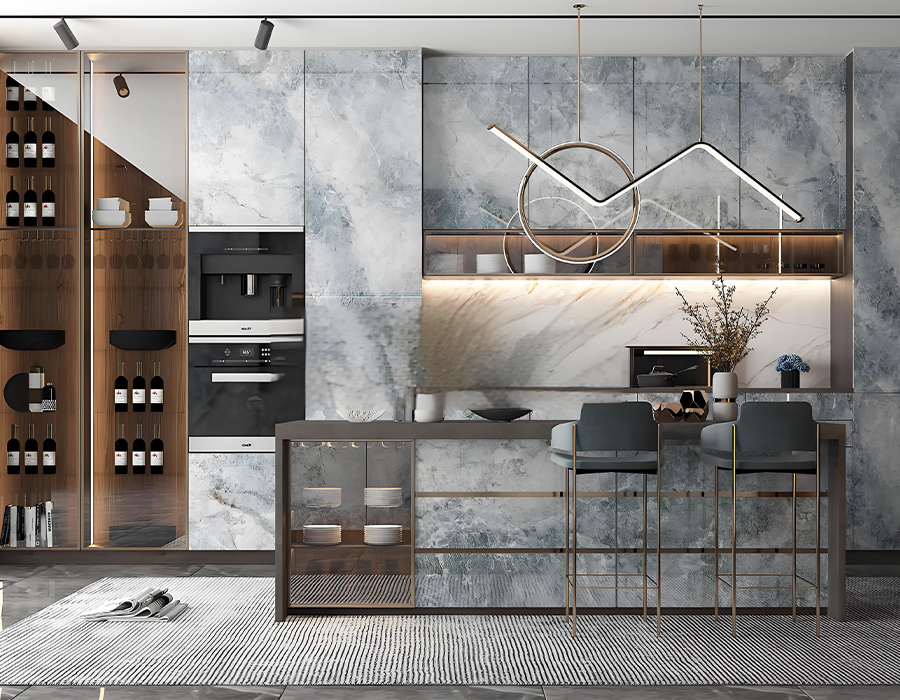 What Are the Key Benefits of Using PEC Wall Panels in Prefabricated Kitchen Pods?
Introduction: Revolutionizing Kitchen Construction with Integrated Solutions The construct...
READ MORE -
 What Are the Key Benefits of Using PEC Wall Panels in Prefabricated Kitchen Pods?
1. Introduction In modern construction and interior design, walls are no longer just for d...
READ MORE -
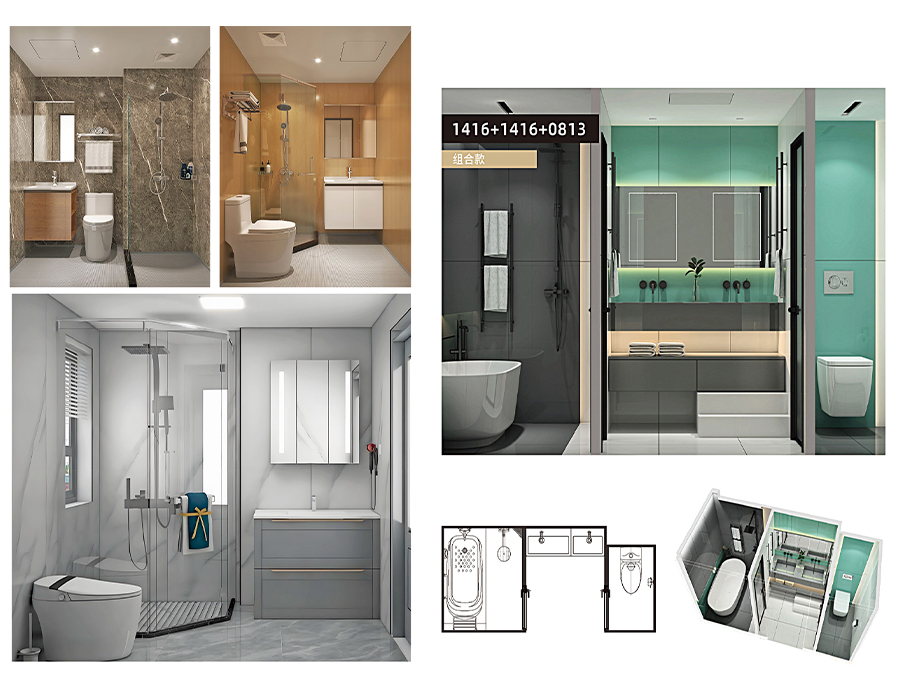 What Are the Key Benefits of Using PEC Wall Panels in Prefabricated Kitchen Pods?
Introduction The construction and interior design industries have witnessed a remarkable s...
READ MORE -
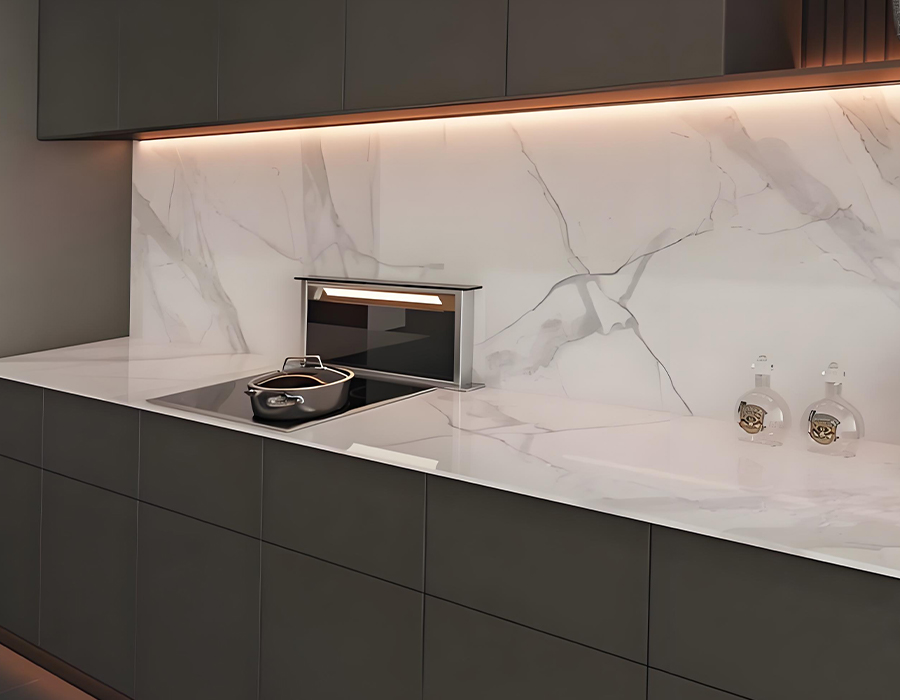 What Are the Key Benefits of Using PEC Wall Panels in Prefabricated Kitchen Pods?
What is a PEC Wall Prefabricated Kitchen and Why is it a Game-Changer? The modern housing ...
READ MORE



-
 16 Jul, 2026
 -
10 Jul, 2026
-
09 Jul, 2026
-
07 Jul, 2026
-
02 Jul, 2026
-
24 Jun, 2026

Copyright © 2025 Jiangsu Kounor Home Technology Co., Ltd.
All Rights Reserved.
Custom Prefabricated Restroom Building, Prefabricated Kitchenette Suppliers
