
 English
 русский
 عربى
عربىWhat is PEC resin fiber, and why is it used in bathroom pods?
Introduction to Advanced Polymer Composites in Modern Construction
The contemporary construction landscape is currently undergoing a massive transformation, shifting away from fragmented, labor-intensive on-site methodologies toward highly optimized, factory-controlled off-site manufacturing. At the very heart of this industrial evolution is the relentless pursuit of superior building materials that can simultaneously address the perennial challenges of structural weight, moisture resistance, and long-term durability. Traditional building materials, particularly those used in wet environments like residential and commercial bathrooms, have long been plagued by inherent vulnerabilities such as porosity, brittleness, and a heavy reliance on the flawless execution of multi-layered waterproofing membranes. To overcome these deep-seated industry limitations, material scientists and architectural engineers have developed sophisticated alternatives, with one of the most prominent breakthroughs being the formulation and application of specialized polymer engineered composites.
Understanding what this material actually entails requires looking beyond the surface level of basic plastics. This advanced composite represents a meticulously engineered synergy between high-tensile reinforcement fibers and highly resilient synthetic polymer resins. When these two fundamental components are fused together under precise atmospheric and thermal conditions, they create a monolithic substrate that fundamentally outperforms traditional masonry, ceramics, and standard thermoplastics. The resulting material is not merely a surface finish; it is a comprehensive structural envelope capable of bearing loads, resisting severe impact, and completely entirely repelling moisture at a molecular level without the need for secondary sealants or chemical treatments.
The necessity for such an uncompromising material becomes glaringly obvious when analyzing the specific demands of high-density housing, hospitality, and healthcare developments. In these sectors, water ingress and subsequent structural degradation represent the single largest cause of post-construction litigation, maintenance expenditure, and asset depreciation. By completely re-engineering the base materials used in these critical wet zones, the industry can effectively eradicate the risk of systemic water damage. This introductory analysis serves as the foundation for exploring exactly how this specialized composite operates, how it is manufactured, and precisely why it has become the gold standard for fabricating prefabricated volumetric sanitary spaces in modern architectural endeavors.
Furthermore, this detailed examination will dissect the mechanical properties of the material, shedding light on the rigorous testing and quality assurance protocols that dictate its production. We will explore the paradigm shift toward off-site assembly and how the physical characteristics of advanced resin composites perfectly align with the strict logistical requirements of transporting fully finished, multi-ton architectural modules across vast distances. Ultimately, the objective is to provide a comprehensive, deeply technical understanding of this material and its transformative role in modern building practices, moving past superficial marketing claims to analyze the empirical evidence that supports its widespread adoption.
The Core Composition and Manufacturing Dynamics of the Material
To truly appreciate the functional superiority of this engineered material, one must closely examine its foundational composition and the highly controlled manufacturing processes required to bring it into existence. At its core, the material is a bi-component system consisting of a continuous polymer matrix and a dispersed phase of structural reinforcement fibers. The polymer matrix acts as the primary binding agent, providing the material with its exceptional resistance to chemical corrosion, extreme water impermeability, and its ability to be molded into complex, seamless geometries. This resin is carefully selected for its specific cross-linking capabilities, ensuring that once it cures, it forms an irreversible, thermosetting bond that will not melt or deform under typical environmental stresses.
Suspended within this resilient polymer matrix is a complex network of carefully oriented reinforcement fibers. These fibers act as the skeletal structure of the material, providing the immense tensile strength and rigidity required to span large areas without bowing or buckling. Unlike standard injection-molded plastics, which can be brittle and structurally weak, the integration of these micro-fibers effectively arrests crack propagation. If a massive blunt force is applied to the surface, the energy is rapidly dispersed along the fiber network rather than fracturing the polymer binder. This unique interaction between the flexible matrix and the rigid fibers creates a composite that exhibits remarkable toughness, impact resistance, and long-term dimensional stability.
The manufacturing process itself is a masterclass in precision engineering. Producing these panels for architectural use requires highly controlled environments where temperature, humidity, and curing times are monitored down to the microsecond. The most common production method involves a specialized closed-mold process. First, the dry fibers are meticulously arranged within a massive steel mold, tailored to the exact dimensions of the intended architectural component. The liquid polymer resin is then injected into the mold under intense vacuum pressure. This vacuum infusion ensures that the resin penetrates every single microscopic void between the fibers, eliminating the trapped air bubbles that often plague inferior composite materials and lead to hidden structural weaknesses.
Once the mold is completely saturated, the composite undergoes a rigorous thermal curing cycle. This precise thermal regulation is critical, as it dictates the final density and structural integrity of the panel. Following the curing phase, the panels are extracted from the molds and subjected to advanced finishing techniques. The surface that will eventually face the interior of the sanitary space can be treated with specialized gel coats, providing a hygienic, non-porous finish that mimics the aesthetic qualities of natural stone, ceramic tile, or matte architectural finishes, all while retaining the indestructible core properties of the underlying composite. This highly industrialized, exactingly repeatable manufacturing process guarantees that every single panel produced meets the absolute highest standards of quality control, fundamentally eliminating the human error associated with traditional on-site building practices.
Key Material Properties and Structural Advantages
Absolute Water Impermeability and Hydrophobic Surface Dynamics
The most critical performance metric for any material utilized in a wet environment is its ability to indefinitely resist water penetration. Traditional bathroom construction relies heavily on secondary waterproofing membranes—thin layers of liquid-applied or sheet-based chemicals that sit beneath porous tiles and grout. If these secondary membranes fail due to structural movement or improper installation, catastrophic water damage ensues. In stark contrast, this advanced engineered composite boasts an intrinsically zero-porosity structure. The material does not require secondary waterproofing because it is inherently waterproof throughout its entire mass. Its dense molecular structure fundamentally prevents water molecules from finding pathways through the material, rendering it entirely impervious to leaks, steam penetration, and the subsequent rot that plagues standard drywall and timber framing.
Exceptional Dimensional Stability Under Thermal Stress
Bathrooms are uniquely challenging environments due to the rapid and severe temperature fluctuations they experience daily. The sudden introduction of high-temperature water generates massive amounts of steam, causing rapid thermal expansion, immediately followed by contraction as the room cools. Over time, these thermal cycles cause traditional materials to expand and contract at different rates, leading to cracked tiles, split grout lines, and compromised sealant joints. Engineered resin fibers, however, exhibit a remarkably low coefficient of thermal expansion. The integrated fiber network acts as an internal anchor, effectively restraining the polymer matrix and preventing any significant volumetric changes. This superior dimensional stability ensures that the physical dimensions of the walls, floors, and integrated fixtures remain completely static, preserving the absolute integrity of the structural envelope regardless of the internal environmental conditions.
High-Impact Resistance and Unyielding Tensile Strength
Beyond moisture and temperature, the physical durability of the sanitary unit is paramount. Commercial and institutional environments, such as student dormitories, hospitals, and high-traffic hotels, demand materials that can withstand severe abuse. Traditional ceramics are notoriously brittle; a dropped object or a sharp impact can easily shatter a tile, creating an immediate breach in the waterproof layer and a significant safety hazard. The resin fiber composite behaves entirely differently under duress. Because of the high-tensile fibers woven through the matrix, the material absorbs and dissipates kinetic energy with exceptional efficiency. It will not shatter, crack, or dent under normal or even abusive conditions. This structural toughness extends the lifecycle of the installation exponentially, virtually eliminating the need for periodic cosmetic repairs or panel replacements.
Acoustic Dampening and Thermal Insulation Profiles
An often-overlooked advantage of these advanced composites is their inherent capacity to manage sound and heat. In multi-residential buildings, noise transmission between bathrooms is a primary source of occupant dissatisfaction. The dense, multi-layered structure of the composite acts as a highly effective acoustic barrier, drastically reducing the transmission of airborne noise and plumbing vibrations through the building structure. Additionally, the material acts as an excellent thermal insulator. Unlike cold, highly conductive ceramic tiles, the composite remains closer to ambient room temperature, drastically improving user comfort while simultaneously reducing the energy required to heat the space. This combination of acoustic privacy and thermal efficiency represents a massive leap forward in the overall quality of the interior environment.
The Evolution and Mechanics of Volumetric Modular Architecture
To understand the true value of advanced material sciences in modern building, one must contextualize it within the broader shift toward volumetric modular architecture. Historically, the construction of a bathroom within a larger building project has been a notoriously complex, time-consuming, and labor-intensive bottleneck. The traditional "stick-built" methodology requires a highly coordinated, sequential procession of various specialized trades: framers construct the skeleton, plumbers install rough-in pipes, electricians wire the space, waterproofers apply membranes, tilers lay the finishes, and finally, carpenters and plumbers return for the final fixture installation. This convoluted process is heavily dependent on skilled labor availability, is incredibly prone to scheduling conflicts, and is highly susceptible to quality variations depending on the environmental conditions on-site and the expertise of individual tradespeople.
Volumetric modular construction fundamentally dismantles this chaotic on-site workflow. Instead of assembling the bathroom piece by piece in a dusty, uncontrolled building site, the entire room is manufactured as a complete, self-contained, three-dimensional unit inside a climate-controlled, highly automated factory. These pods are assembled on an industrial production line, utilizing rigorous quality control metrics akin to automotive manufacturing. Every pipe, wire, surface, and fixture is installed, tested, and certified before the unit ever leaves the facility. This approach effectively removes the bathroom construction from the critical path of the main building site, allowing the overarching structure to be erected simultaneously while the internal sanitary modules are manufactured in parallel off-site.
However, the viability of volumetric modular architecture is absolutely contingent upon the materials used to construct the pods. A factory-built room is subjected to physical stresses that traditional, site-built rooms never experience. The completed module must be lifted onto flatbed trucks, transported over highways at high speeds facing immense vibrational forces, and finally, hoisted by massive tower cranes hundreds of feet into the air before being slotted perfectly into the building's structural frame. Traditional materials simply cannot survive this journey. Heavy masonry frames crack, ceramic tiles shear off, and rigid grout lines shatter under the dynamic flexing and torsion inherent in transportation and craning. Therefore, the modular paradigm completely necessitates the adoption of structural materials that are both incredibly lightweight and phenomenally flexible.
This intersection of off-site manufacturing processes and dynamic logistical demands created a massive void in the market—a void that could only be filled by advanced polymer composites. The success of the modern prefabricated sanitary unit is intrinsically linked to its base material. By moving away from brittle, heavy ceramics and embracing engineered, fiber-reinforced polymers, manufacturers are now able to produce monolithic, ultra-lightweight structural units that can endure the extreme rigors of global logistics without compromising a single millimeter of their structural or waterproof integrity. This shift represents one of the most significant leaps in construction methodology in the last century.
Why PEC Resin Fiber is the Optimal Choice for Modular Bathroom Pods
When synthesizing the capabilities of advanced composite materials with the logistical demands of volumetric off-site construction, the rationale for integration becomes undeniable. The precise, scientific integration of a PEC resin fiber Modular Bathroom Pod offers unparalleled advantages in modern construction projects, directly addressing the critical failures of traditional materials while maximizing the efficiency of the factory-built paradigm. The foremost advantage lies in the dramatic reduction of gross structural weight. Unlike concrete or thick ceramic masonry, this engineered composite is astonishingly lightweight. This weight reduction translates directly into massive logistical savings; more units can be loaded onto a single transport vehicle, smaller, less expensive cranes can be utilized on-site, and the overall dead load placed upon the building's primary foundation is significantly minimized, allowing for sleeker, more cost-effective structural engineering of the main tower.
Furthermore, the sheer flexibility and monolithic design capabilities of the composite are vital for the modular concept. Because the material can be precision-molded in a factory setting, the floor and lower wall sections can be formed as a single, continuous, seamless basin. This completely eliminates the perilous floor-to-wall joints that represent the most common point of failure in traditional bathroom waterproofing. By inherently designing out the weak points, the manufacturer can provide ironclad, decades-long guarantees against water leakage. The walls and ceilings seamlessly interlock with this base, creating an impermeable environmental envelope that simply cannot be replicated using piece-by-piece, stick-built methodologies.
Transportation dynamics further solidify this material as the ultimate choice. As previously discussed, standard materials fail catastrophically under the vibration of highway transit and the dynamic torsion of crane lifting. The high-tensile fiber network within the composite matrix allows the entire pod chassis to flex slightly without permanently deforming or fracturing. It effectively acts as an internal shock absorber, managing the kinetic energy of transportation. When the pod is finally lowered into its final resting place within the building, it arrives in pristine condition, requiring absolutely zero on-site touch-ups, regrouting, or defect rectification. This "plug-and-play" reliability is the holy grail of modern commercial construction.
Finally, the exactness of the molding process means that every single pod produced on the assembly line is an exact, microscopic clone of the master prototype. This immense dimensional accuracy ensures that the external connection points for the mechanical, electrical, and plumbing (MEP) systems align perfectly with the building's main risers every single time. There is no variance, no need for on-site adjustment, and no "making it fit" by frustrated tradespeople. This precision drastically accelerates the final connection phase on the construction site, enabling developers to slash months off their project timelines, realize their return on investment significantly faster, and provide their end-users with an unequivocally superior, highly engineered product.
Comparative Analysis: Advanced Composites vs. Traditional Finishes
To comprehensively validate the superiority of this advanced material, an objective comparative analysis against historically prevalent building materials is required. For decades, the construction industry defaulted to ceramic tiles, standard cast acrylics, or rudimentary Glass Reinforced Plastics (GRP). However, when evaluated against modern performance metrics—specifically concerning modular suitability, weight, impact resistance, and lifecycle maintenance—these legacy materials reveal significant, often insurmountable deficiencies. The table below outlines a direct comparison across the most critical architectural and structural criteria.
| Performance Metric | Engineered Resin Fiber | Traditional Ceramic Tile | Standard Cast Acrylic | Basic GRP Panels |
|---|---|---|---|---|
| Weight Profile | Ultra-Lightweight | Extremely Heavy | Lightweight | Moderate Weight |
| Impact Resistance | Exceptionally High | Low (Brittle/Prone to shattering) | Moderate (Prone to scratching) | Moderate (Prone to star-cracking) |
| Waterproofing Method | Inherently Impermeable Matrix | Relies on secondary chemical membranes | Impermeable surface, weak joints | Resin-dependent, variable quality |
| Transportation Durability | Superior (Absorbs flex and vibration) | Poor (Grout and tiles crack heavily) | Good (Prone to warping) | Moderate (Rigid but can fracture) |
| Maintenance Intensity | Near-Zero (No grout, non-porous) | High (Grout cleaning, mold removal) | Moderate (Requires specialized cleaners) | Moderate (Gel coats can yellow over time) |
Analyzing this data reveals why ceramic tile, despite its historical dominance, is entirely unsuited for the rigorous demands of prefabricated architecture. The reliance on secondary waterproofing membranes and brittle grout lines creates multiple, compounding points of failure. The sheer weight of a fully tiled volumetric room makes hoisting logistics incredibly dangerous and expensive. Conversely, standard cast acrylics, while lightweight, lack the structural rigidity required to form the load-bearing chassis of a room, often feeling "hollow" or flimsy underfoot, and they are highly susceptible to deep surface scratching that ruins their aesthetic appeal.
Basic GRP (Glass Reinforced Plastic) represented an early attempt at solving these issues, but traditional hand-laid or basic spray-up GRP processes suffer from inconsistent thickness, trapped air voids, and exterior gel coats that are prone to UV degradation and yellowing over time. Engineered resin fibers bypass all these historical limitations. By utilizing highly controlled, mechanized molding processes under intense vacuum and thermal regulation, the resulting panels achieve a density, a strength-to-weight ratio, and a uniform aesthetic quality that simply cannot be matched by any legacy material, positioning it as the undisputed leader in modern off-site sanitary construction.
Installation Dynamics and Supply Chain Economics
The adoption of highly engineered, lightweight composites dramatically transforms the economic realities of large-scale construction projects, primarily through vast improvements in supply chain logistics and on-site installation velocities. In traditional construction, the supply chain is incredibly fragmented. Hundreds of separate material deliveries—pallets of cement, boxes of tiles, rolls of waterproofing, copper piping, and fragile fixtures—must all be coordinated, received, and securely stored on a crowded, active job site. This leads to immense material wastage due to weather damage, theft, or improper handling, directly inflating the overarching capital expenditure of the project.
By utilizing advanced resin fiber materials within a modular framework, the entire bathroom supply chain is consolidated into a single deliverable asset. The ultra-lightweight nature of the composite material fundamentally alters the transportation mathematics. Because the massive dead-weight of masonry and ceramics has been eliminated, logistics planners can load significantly more fully-completed pods onto a single flatbed trailer without exceeding strict highway weight limits. This reduction in the number of required transportation vehicles drastically slashes freight costs and significantly lowers the logistical carbon footprint of the entire building development.
Once the modules arrive at the construction site, the installation dynamics are equally revolutionized. The structural integrity provided by the engineered fibers ensures that the pods remain perfectly square and structurally rigid while suspended from tower cranes. On-site installation transforms from a weeks-long, multi-trade ordeal into a precision "plug-and-play" operation. The unit is hoisted onto the floor plate, seamlessly slid into its designated architectural footprint, and bolted directly to the main structural frame. Because the connection points for water supply, waste extraction, and electrical mains are precision-engineered into the composite chassis at the factory, the final site connections can be completed by a small, specialized team in a matter of hours.
This unprecedented speed of installation completely eliminates the traditional "snagging" phase. In standard builds, developers lose vast amounts of money and time rectifying defects like leaking shower trays, cracked tiles, or poorly applied sealants right before the building's handover. The composite pod, having been rigorously tested and sealed in the factory, arrives faultless. This absolute predictability allows developers to lock in their project timelines with unparalleled certainty, reducing holding costs, minimizing financing interest, and ensuring that the building can begin generating revenue or serving its occupants much faster than previously possible.
Long-Term Durability, Maintenance Protocols, and Lifecycle Costing
The true financial value of any architectural component is not merely measured by its initial installation cost, but by its Total Cost of Ownership (TCO) calculated over the entire lifespan of the building. For facility managers operating high-density residential complexes, global hotel chains, or massive hospital networks, bathroom maintenance represents one of the largest ongoing operational expenditures. Traditional bathroom finishes are incredibly maintenance-intensive. Grout lines are highly porous, acting as a breeding ground for dangerous mold, stubborn mildew, and harmful bacterial colonies. Over time, aggressive chemical scrubbing degrades the grout, leading to water ingress, loose tiles, and the inevitable, highly expensive necessity of completely gutting and refurbishing the room.
Advanced resin fiber composites completely eradicate these chronic maintenance nightmares. The surface of the material is microscopically non-porous. It does not absorb water, and more importantly, it provides absolutely no microscopic crevices for biological pathogens to anchor themselves. This fundamentally changes the daily cleaning protocols required by janitorial staff. Harsh, abrasive, and environmentally damaging bleach-based chemicals are entirely unnecessary. The surfaces can be rapidly and thoroughly sanitized using simple, mild detergents and a microfiber cloth, drastically reducing the time required to turn over a hotel room or sterilize a hospital ward. This efficiency translates into massive, compounding reductions in labor and chemical costs over the decades.
Furthermore, the long-term structural durability of the material means that the aesthetic and functional degradation associated with legacy bathrooms simply does not occur. The high-tensile nature of the composite resists the scuffs, impacts, and heavy daily usage that typically destroy standard interiors. There is no grout to dig out and replace, no cracked tiles to painstakingly match and repair, and zero risk of hidden rot devouring the subfloor. The engineered matrix is designed to outlast the operational lifecycle of the building itself. By eliminating the need for regular, disruptive, and expensive renovations, developers and facility owners secure an incredibly high return on investment, solidifying this material as an economically superior long-term asset.
When executing a lifecycle cost analysis, the initial capital expenditure for a highly engineered, factory-built module might occasionally align closely with the cost of a high-end, site-built bathroom. However, when the subsequent thirty years of zero-maintenance, leak-free, mathematically predictable performance are factored into the equation, the economic disparity becomes massive. The financial models utilized by top-tier institutional developers heavily favor materials that offer this guarantee of operational continuity, driving the rapid global adoption of these advanced composites across all major construction sectors.
Environmental Impact and Sustainability Metrics
In an era dominated by the urgent necessity for sustainable building practices and strict adherence to global green building certifications like LEED and BREEAM, the environmental footprint of construction materials is under intense scrutiny. Traditional building methodologies are notoriously wasteful; an astonishing percentage of raw materials delivered to a standard construction site ultimately ends up in a landfill due to off-cuts, weather damage, or poor estimation. The transition to factory-controlled manufacturing using engineered composites directly addresses this systemic crisis. In a closed-loop factory environment, the exact amount of resin and fiber required for a specific panel is mathematically calculated and dispensed, reducing raw material waste to virtually zero.
Additionally, the environmental benefits extend far beyond the factory floor. The incredibly low weight of the finished composite pods drastically alters the carbon mathematics of transportation. Moving heavy masonry and ceramic-laden units across the country requires massive amounts of diesel fuel and generates excessive carbon emissions. By utilizing a lightweight polymer matrix, the total tonnage transported per fleet vehicle is dramatically reduced, directly curbing the logistical carbon footprint of the entire project. This highly efficient, low-emission supply chain is a critical factor for developers aiming to achieve prestigious carbon-neutral construction certifications.
Finally, advanced material science is rapidly moving toward enhanced end-of-life recyclability. While early generations of thermosetting plastics were difficult to process post-demolition, modern engineered composites are increasingly being formulated to allow for grinding and repurposing. At the end of the building's 50-year lifecycle, the composite chassis can be extracted, mechanically pulverized, and utilized as a highly durable aggregate in road construction or new composite molding processes, ensuring that the material is diverted from landfills and remains within the productive industrial ecosystem.
Frequently Asked Questions (FAQ)
Q1: What is the primary difference between this advanced composite and standard acrylic panels?
The primary difference lies in structural integrity and durability. Standard acrylic is a simple thermoplastic; it is generally thin, prone to deep scratching, and lacks the inherent rigidity required to support structural loads. Advanced composites utilize a complex network of high-tensile reinforcement fibers embedded within a thermosetting resin matrix. This creates a material that is phenomenally strong, highly impact-resistant, and capable of forming the actual load-bearing chassis of a modular unit, vastly outperforming basic acrylic in every measurable physical metric.
Q2: Can the surface of these highly engineered panels mimic traditional architectural textures?
Yes, absolutely. Through advanced molding techniques and the application of highly specialized surface finishes, the exterior face of the composite can be engineered to flawlessly replicate the visual and tactile qualities of high-end natural stone, matte architectural ceramics, or finely textured concrete. This allows designers to achieve sophisticated, luxurious aesthetics without sacrificing the indestructible, non-porous, zero-maintenance benefits of the underlying composite core.
Q3: How does the material handle extreme temperature changes commonly found in a bathroom environment?
The material handles rapid thermal cycling exceptionally well. Because the polymer resin is securely bonded to a dense internal network of reinforcing fibers, the composite exhibits an incredibly low coefficient of thermal expansion. It will not warp, bow, or crack when suddenly exposed to high-temperature steam or rapid cooling, ensuring the structural dimensions remain perfectly stable and the waterproof envelope remains completely uncompromised over decades of heavy daily use.
Q4: Are specialized, disruptive processes required to repair the material if it somehow suffers a massive impact?
While the material is exceptionally resistant to impact and daily abuse, extreme localized damage (such as from heavy industrial tools during nearby construction) can be easily repaired without ripping out the entire panel. Because it is a resin-based matrix, minor gouges or deep scratches can be filled, sanded, and seamlessly re-polished on-site by a technician using specialized composite repair compounds, restoring the surface to its original structural and aesthetic condition rapidly and quietly.
Q5: How does the ultra-lightweight nature of this material affect the overall structural load of a high-rise building development?
The impact is profoundly positive. By replacing incredibly heavy masonry blocks, thick mortar beds, and dense ceramics with these lightweight composites, the overall dead-load of hundreds of integrated bathrooms is drastically reduced. This massive reduction in weight allows architectural engineers to safely design slimmer load-bearing columns, utilize less structural steel or concrete in the building's primary foundation, and ultimately save millions in raw material costs for the overarching tower superstructure.
-
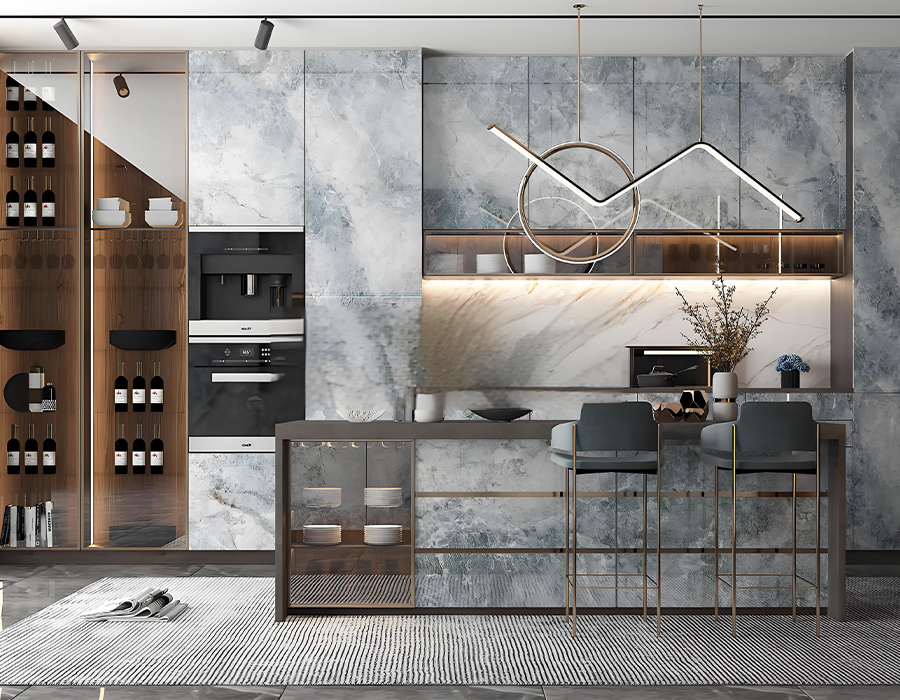 What Are the Key Benefits of Using PEC Wall Panels in Prefabricated Kitchen Pods?
Introduction: Revolutionizing Kitchen Construction with Integrated Solutions The construct...
READ MORE -
 What Are the Key Benefits of Using PEC Wall Panels in Prefabricated Kitchen Pods?
1. Introduction In modern construction and interior design, walls are no longer just for d...
READ MORE -
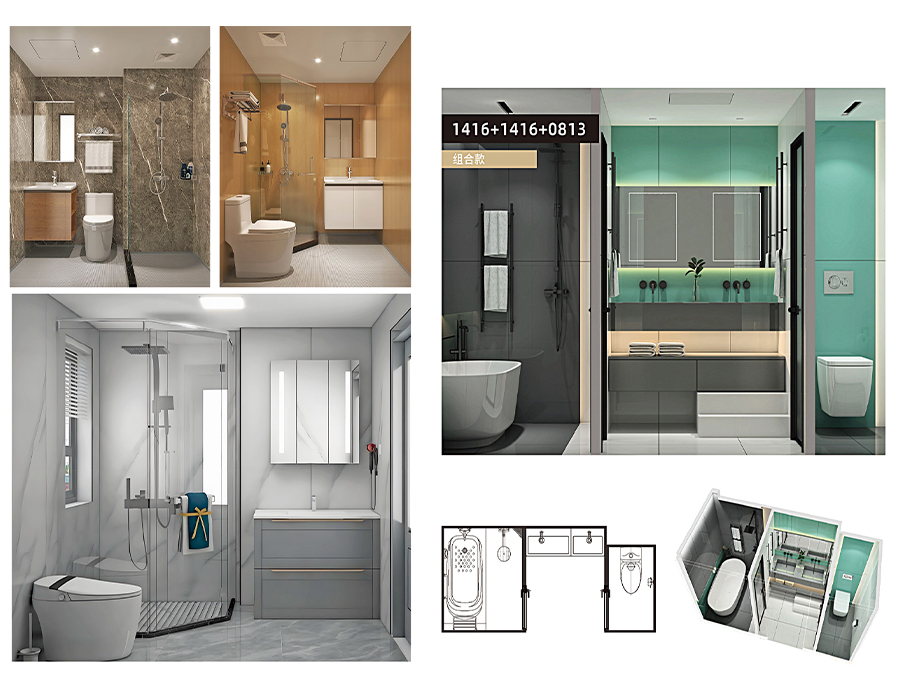 What Are the Key Benefits of Using PEC Wall Panels in Prefabricated Kitchen Pods?
Introduction The construction and interior design industries have witnessed a remarkable s...
READ MORE -
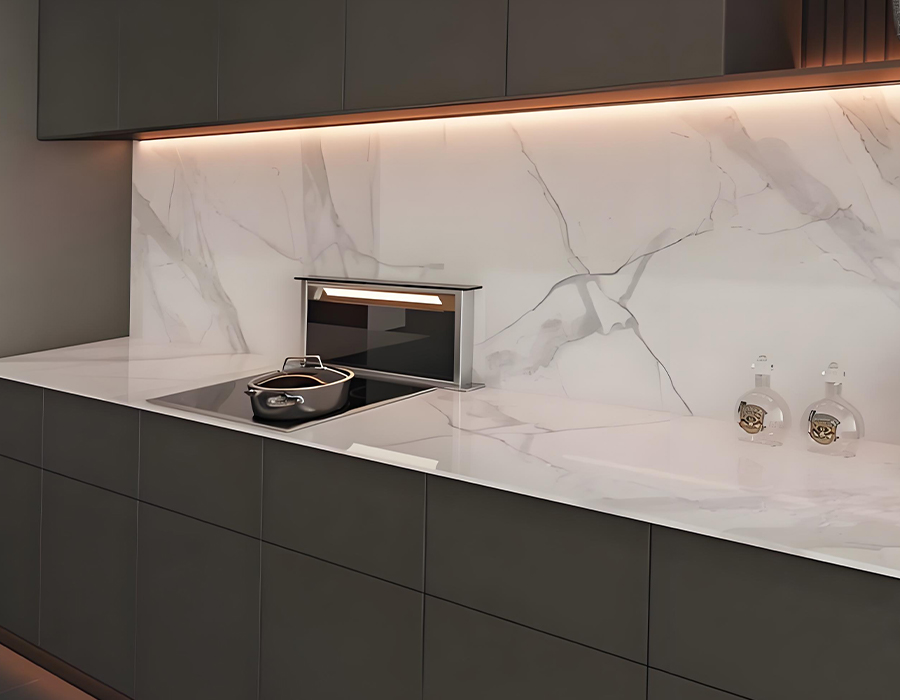 What Are the Key Benefits of Using PEC Wall Panels in Prefabricated Kitchen Pods?
What is a PEC Wall Prefabricated Kitchen and Why is it a Game-Changer? The modern housing ...
READ MORE



-
 16 Jul, 2026
 -
10 Jul, 2026
-
09 Jul, 2026
-
07 Jul, 2026
-
02 Jul, 2026
-
24 Jun, 2026

Copyright © 2025 Jiangsu Kounor Home Technology Co., Ltd.
All Rights Reserved.
Custom Prefabricated Restroom Building, Prefabricated Kitchenette Suppliers
