
 English
 русский
 عربى
عربىPrefab shower enclosure recommendations?
Prefab Shower Enclosures Are Worth It
If you're renovating a bathroom or building a new one, a prefab shower enclosure is one of the most cost-effective and time-saving choices you can make. Unlike fully tiled custom showers that require professional tiling, grouting, and lengthy drying periods, prefab units arrive pre-assembled or in easy-to-join panels — dramatically cutting installation time from days to hours.
The best prefab options balance watertight performance, aesthetic finish, and durable materials. For most households, a simple shower room or modular enclosure with tempered glass panels and a quality base tray delivers everything needed at a fraction of the cost of a bespoke shower.
What Is a Prefab Shower Enclosure?
A prefab (prefabricated) shower enclosure is a factory-manufactured shower unit that comes as a complete kit or a set of pre-cut components ready for installation. The package typically includes:
- Shower walls or panels (acrylic, fiberglass, tempered glass, or composite)
- Shower base or tray
- Door or curtain track system
- Hardware (hinges, handles, seals, and fasteners)
The key distinction from custom builds is that all components are pre-measured, pre-finished, and designed to fit together without specialist skills. A competent DIYer or plumber can typically complete installation in 4–8 hours for a standard unit.
Types of Prefab Shower Enclosures to Consider
1. Simple Shower Room (Partition-Style)
A Prefab Simple Shower Room is ideal for bathrooms where space efficiency and clean aesthetics are the priority. These units use tempered glass partitions — typically 6mm or 8mm thick safety glass — to separate the shower zone from the rest of the bathroom without creating a fully enclosed box. They work particularly well in:
- Compact bathrooms under 5 m²
- Open-plan wet room conversions
- Modern minimalist interiors
2. Acrylic or Fiberglass One-Piece Units
One-piece molded units are the most budget-friendly option. Since there are no seams, they are extremely resistant to mold and water infiltration. However, they require a large enough doorway to maneuver into position during installation — a wall opening of at least 32 inches (81 cm) is usually needed.
3. Multi-Panel Kits
Multi-panel kits (typically 3 or 4 panels) ship in sections and are assembled on site. This solves the access problem of one-piece units and allows more layout flexibility. Quality kits use tongue-and-groove or interlocking joints with factory-applied sealant strips for a watertight finish without additional caulking work.
4. Frameless Glass Enclosures
Frameless enclosures use thick tempered glass (usually 8mm–10mm) with minimal metal hardware. They create a premium, open feel and are easier to clean because there are no frame channels to trap soap scum. The trade-off is a higher price point and slightly more complex installation.
Key Factors When Choosing a Prefab Shower Enclosure
| Factor | What to Look For | Recommended Spec |
|---|---|---|
| Glass thickness | Safety and durability | Minimum 6mm tempered glass |
| Base material | Slip resistance, drainage | Stone resin or acrylic with textured surface |
| Door type | Space efficiency | Sliding for tight spaces; pivot for larger rooms |
| Seals & gaskets | Waterproofing longevity | Silicone or EPDM rubber seals |
| Frame finish | Corrosion resistance | Brushed stainless steel or chrome-plated aluminum |
| Warranty | Product confidence | Minimum 5 years on panels and hardware |
Common Prefab Shower Enclosure Sizes
Standard sizes are designed to fit most bathroom layouts without custom cutting. Here are the most popular footprints:
- 800 × 800 mm — The most common square option; suits small bathrooms well
- 900 × 900 mm — A comfortable mid-size square for everyday use
- 1000 × 800 mm — Rectangular; maximizes showering space in a narrow recess
- 1200 × 800 mm — Best for walk-in or double-person use
- 1200 × 900 mm — Larger rectangle; suits master bathrooms
Always measure your bathroom floor-to-ceiling height before ordering. Most enclosures have standard panel heights of 1850mm–2000mm, but ceiling height and ventilation clearance must be accounted for.
Prefab vs. Custom Shower: How Do They Compare?
| Aspect | Prefab Enclosure | Custom Tiled Shower |
|---|---|---|
| Installation time | 4–8 hours | 3–7 days |
| Average cost | Lower | Significantly higher |
| Waterproofing risk | Low (factory-sealed) | Higher (grout can crack) |
| Design flexibility | Limited to standard sizes | Fully customizable |
| Maintenance | Easy to clean, no grout | Grout requires periodic resealing |
| Durability | 15–20 years (quality units) | 20+ years if well-maintained |
For the majority of homeowners, the prefab route wins on practicality, speed, and total cost. The custom approach is only clearly superior when the bathroom has non-standard dimensions or a very specific design vision that standard enclosures cannot achieve.
Installation Tips for Prefab Shower Enclosures
- Level the floor first. Even a 2–3mm slope can cause doors to swing open or closed on their own. Use a spirit level and shims if needed before placing the base tray.
- Allow expansion gaps. Leave a 3–5mm gap at wall joints and seal with silicone rather than caulk. Silicone remains flexible and prevents cracking as materials expand and contract.
- Anchor to wall studs where possible. Glass panel brackets hold better when fixed into studs rather than drywall anchors alone. Use appropriate toggle bolts if studs are not accessible.
- Run water before sealing. Test all connections and check for leaks before applying the final silicone bead around the base perimeter.
- Wait for full cure. Most silicone sealants need 24–48 hours to fully cure before the shower is used.
Maintenance and Longevity
One of the biggest long-term advantages of prefab enclosures — especially glass partition types — is low maintenance effort. Key care practices include:
- Wipe glass panels dry after each use to prevent limescale buildup (especially in hard water areas)
- Inspect silicone seals annually and reseal any cracked sections promptly
- Clean door tracks weekly to prevent soap residue from jamming the mechanism
- Avoid abrasive cleaners on acrylic surfaces — a microfiber cloth with mild detergent is sufficient
- Apply a water-repellent glass coating every 6–12 months to maintain the self-cleaning effect on glass panels
With these simple steps, a quality prefab enclosure can maintain its appearance and watertight performance for 15 years or more.
FAQ
Q1: Can I install a prefab shower enclosure myself?
Yes, most prefab enclosures are designed for DIY installation and come with detailed instructions. Basic plumbing knowledge and standard tools are sufficient. Allow a full day for the job.
Q2: What is the minimum bathroom size for a prefab shower enclosure?
The minimum recommended shower area is 800 × 800 mm. For the surrounding space, a bathroom of at least 3–4 m² total allows comfortable access and door clearance.
Q3: How thick should the glass be on a shower enclosure?
A minimum of 6mm tempered (toughened) safety glass is recommended. 8mm is preferable for frameless designs as it provides better structural rigidity without a supporting frame.
Q4: Are prefab shower enclosures waterproof?
Yes, when installed correctly. Factory-fitted seals and gaskets provide reliable waterproofing. The critical points to seal on-site are the base tray perimeter and any wall joints.
Q5: How long does a prefab shower enclosure last?
A quality unit typically lasts 15–20 years with basic maintenance. Seals may need replacing every 5–8 years depending on water hardness and cleaning frequency.
Q6: Can a prefab enclosure be fitted into a corner?
Yes. Corner configurations — either square or quadrant (curved) — are among the most popular prefab layouts. They make efficient use of space and work well in smaller bathrooms.
Q7: What's the difference between a simple shower room and a full shower cabin?
A simple shower room uses glass partitions to define the shower zone within the bathroom. A full shower cabin is a self-contained sealed unit with its own ceiling, sometimes including integrated features like steam or jets.
-
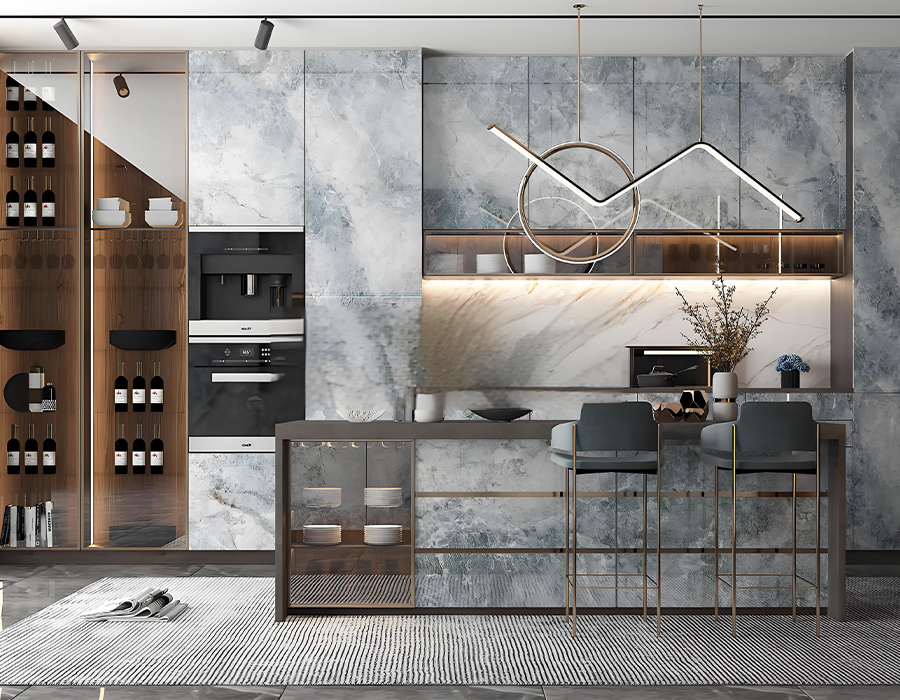 What Are the Key Benefits of Using PEC Wall Panels in Prefabricated Kitchen Pods?
Introduction: Revolutionizing Kitchen Construction with Integrated Solutions The construct...
READ MORE -
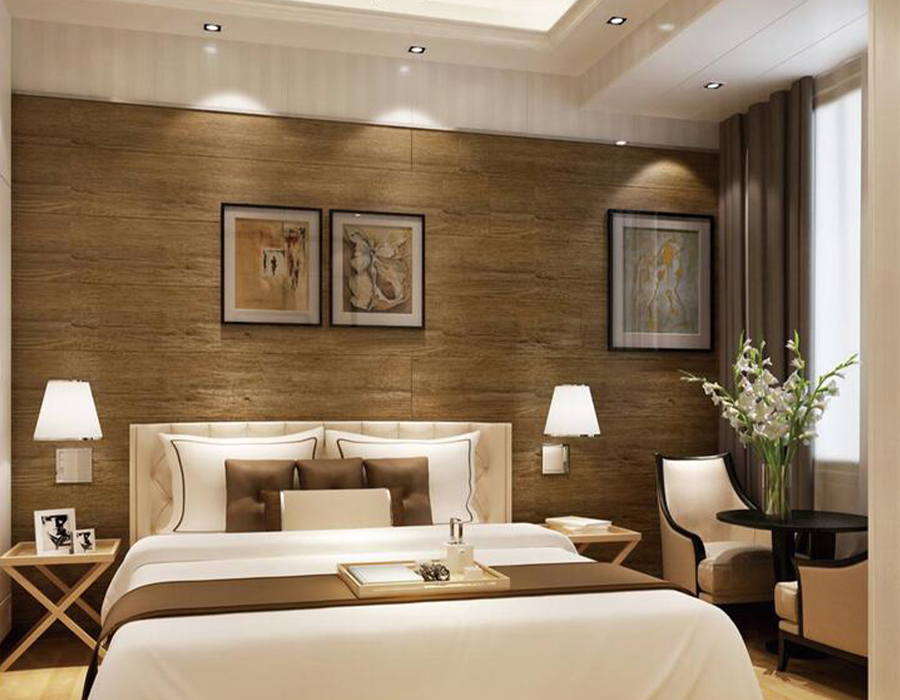 What Are the Key Benefits of Using PEC Wall Panels in Prefabricated Kitchen Pods?
1. Introduction In modern construction and interior design, walls are no longer just for d...
READ MORE -
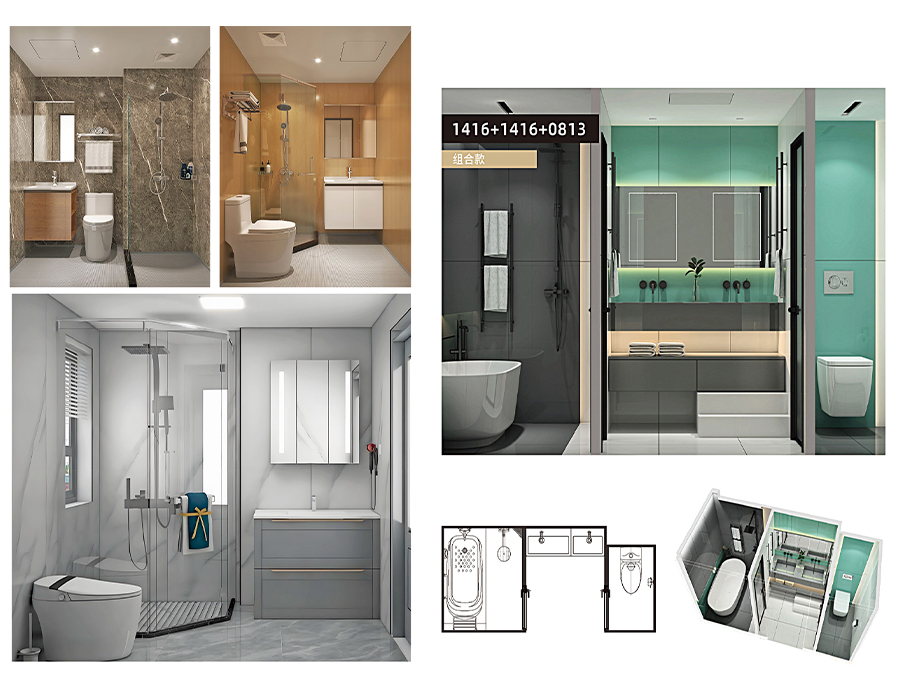 What Are the Key Benefits of Using PEC Wall Panels in Prefabricated Kitchen Pods?
Introduction The construction and interior design industries have witnessed a remarkable s...
READ MORE -
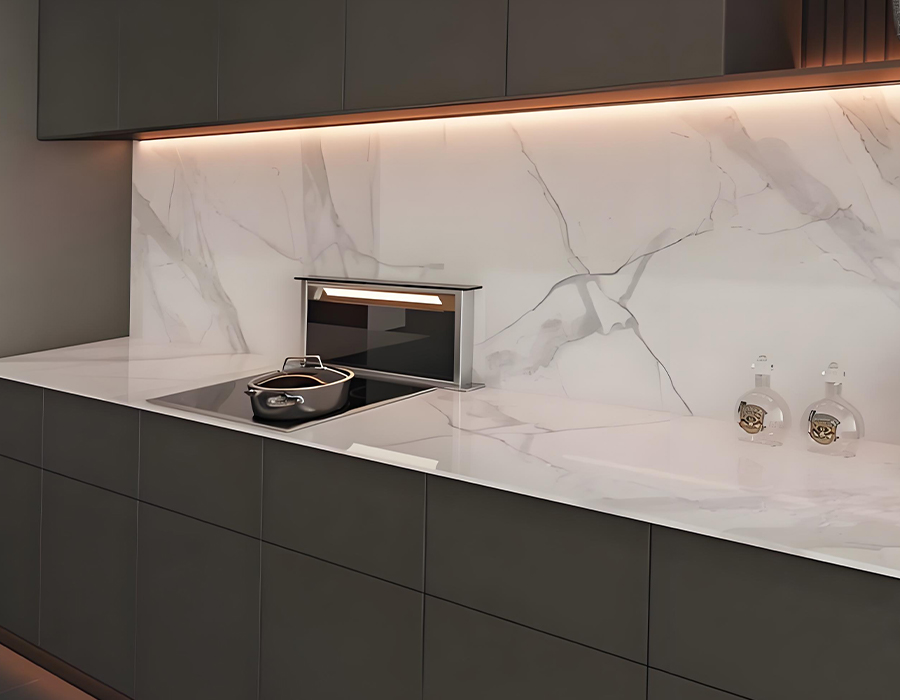 What Are the Key Benefits of Using PEC Wall Panels in Prefabricated Kitchen Pods?
What is a PEC Wall Prefabricated Kitchen and Why is it a Game-Changer? The modern housing ...
READ MORE


-
 16 Jul, 2026
 -
10 Jul, 2026
-
09 Jul, 2026
-
07 Jul, 2026
-
02 Jul, 2026
-
24 Jun, 2026

Copyright © 2025 Jiangsu Kounor Home Technology Co., Ltd.
All Rights Reserved.
Custom Prefabricated Restroom Building, Prefabricated Kitchenette Suppliers
