
 English
 русский
 عربى
عربىWhat comes included in a fully prefabricated shower room kit?
What Comes Included in a Fully Prefabricated Shower Room Kit?
Understanding Prefabricated Shower Room Systems
A prefabricated shower room represents a modern advancement in bathroom construction and renovation. These integrated systems arrive at your location as pre-assembled or semi-assembled units, eliminating the need for extensive on-site construction. The prefabrication process involves manufacturing all components in a controlled factory environment, ensuring precision and consistency that traditional tile-and-fixture approaches struggle to match.
The primary advantage of choosing a prefabricated system lies in its efficiency. Installation timelines typically compress from weeks into days, with minimal disruption to your home environment. This approach appeals to homeowners and contractors alike, particularly those seeking reliable quality control and reduced on-site labor requirements.
The Core Philosophy Behind Prefabricated Design
Prefabricated shower rooms embody the principle of integrated engineering. Rather than assembling disparate components from multiple suppliers, manufacturers design these systems as unified wholes. This holistic approach ensures that every element—structural, functional, and aesthetic—works in harmony. Water drainage systems align perfectly with the basin geometry. Ventilation pathways follow optimal routes. Electrical components integrate seamlessly within wall cavities. This comprehensive integration eliminates the gaps and inconsistencies that plague traditional installations.
Essential Structural Components Included
Base Pan and Floor System
Every prefabricated shower room kit begins with a reinforced base pan that serves as the foundation. This component incorporates several engineered layers. The base structure, typically constructed from fiberglass-reinforced polymer or composite materials, provides exceptional durability while remaining lightweight for installation purposes. The pan includes an integrated slope that directs water toward drainage points, usually ranging from a 1:12 to 1:6 gradient depending on the design specification.
Modern base pans feature reinforced edges and integrated mounting points that accept the wall panels without requiring additional framing. The structural design accommodates typical bathroom loads while resisting water infiltration. Most units include thermal insulation layers that reduce heat loss and minimize condensation issues.
Wall Panel Systems
The wall panels constitute the visual and functional envelope of your shower enclosure. Prefabricated kits typically include three to four pre-manufactured panels that connect to the base pan and to each other. These panels arrive with finished surfaces—often high-gloss acrylic, cultured marble, or engineered stone finishes—eliminating the need for tile installation, grouting, or sealing.
Panel construction incorporates multiple considerations. The inner surface features moisture-resistant backing that prevents water penetration. The outer surfaces display professional finishes in neutral tones or custom patterns. Pre-drilled mounting holes and integrated channels guide installation, while corner seals and silicone gaskets arrive pre-cut and positioned. Some systems include textured or patterned surfaces designed for slip resistance, addressing safety requirements in wet environments.
Door and Enclosure Components
The enclosure door represents a critical component, and prefabricated kits include fully assembled options. These typically consist of:
- Tempered glass panels with protective edges
- Aluminum or stainless steel frame assemblies
- Hinges and magnetic closure mechanisms
- Sweep seals and water deflection systems
- Handle hardware with water-resistant finish
Door assemblies arrive pre-assembled and ready for installation, with alignment guides ensuring square and level positioning. The tempered glass undergoes factory safety certification, meeting building codes without requiring additional processing.
Plumbing and Water Management Systems
Integrated Drainage Infrastructure
A critical inclusion in every prefabricated shower room kit is the pre-installed drainage system. The drainage assembly connects directly to the base pan and typically includes several components designed to function as an integrated unit. The primary drain opening features a trap assembly that prevents sewer gases and odors from entering the shower space while facilitating efficient water removal.
Drainage pipes arrive pre-configured with proper slopes and positioned to connect seamlessly to existing household drainage lines. The system usually includes hair trap screens and clean-out access points that simplify maintenance without requiring disassembly of the entire unit. Some advanced kits feature dual-drain configurations that enhance flow capacity and accommodate higher water volumes.
Water Supply Connections
The kit includes pre-positioned supply line connections that integrate with your home's existing water infrastructure. These connections typically feature ball valves and shut-off mechanisms that enable easy isolation for maintenance or emergency situations. Flexible connector lines with threaded fittings arrive ready for attachment to your household supply lines.
Most systems include anti-scald mixing valves that maintain safe water temperatures, protecting users from sudden temperature fluctuations. These components arrive pre-calibrated and tested, requiring only basic on-site connection to the supply lines. The positioning of supply connections follows optimal ergonomic principles, ensuring accessible placement for both installation and future service.
Moisture Management and Ventilation
Comprehensive prefabricated kits address moisture control through integrated ventilation provisions. While the actual exhaust fan installation may depend on existing bathroom ventilation systems, the kit includes pre-drilled passages and ducting accommodations within the wall cavities. These pathways route humid air toward ventilation points, preventing moisture accumulation within the enclosure.
Fixture and Hardware Components
Showerhead and Body Spray Systems
Prefabricated shower room kits include complete fixture assemblies with pre-installed showerheads and mounting hardware. The showerhead arrives mounted at an optimal height, typically between 78 and 84 inches from the base floor, accommodating average user heights. Many systems feature adjustable spray patterns and water-saving technology that reduces consumption without compromising performance.
Advanced kits may include multiple showerhead options, such as rainfall heads for overhead spray or wall-mounted body jets positioned at ergonomic heights. These come pre-piped and tested, requiring only connection to the supply lines. The mounting hardware arrives corrosion-resistant, typically featuring chrome, brushed nickel, or stainless steel finishes that complement contemporary bathroom aesthetics.
Control Valves and Thermostatic Systems
Temperature and flow control represent essential components included in comprehensive kits. Thermostatic valves maintain consistent water temperature despite fluctuations in supply pressure, enhancing safety and comfort. These valves arrive pre-balanced and calibrated, though fine-tuning adjustments may be required based on your specific water supply characteristics.
Flow control mechanisms allow adjustment of water volume, supporting both efficiency and user preference. Pressure-balanced valves prevent scalding when simultaneous demands on the water supply occur—for instance, when washing machines activate during showering. The control hardware mounts in accessible locations, typically along the side wall at waist height.
Storage Solutions and Accessories
Most prefabricated kits include integrated storage features that enhance functionality. Built-in shower niches or shelving arrive pre-formed within the wall panels, providing convenient locations for toiletries and bath products. These recessed elements feature sloped surfaces that facilitate drainage, preventing water pooling and soap residue accumulation.
Grab bars and safety rails arrive pre-mounted or with mounting hardware included. These elements combine functional safety support with aesthetic integration, typically matching the finish hardware. Towel bars, soap dispensers, and shampoo holders arrive ready for installation, completing the fixture package.
Installation Support and Documentation
Comprehensive Installation Guides
Beyond physical components, every quality prefabricated shower room kit includes detailed documentation. Installation manuals provide step-by-step instructions with illustrations and technical specifications. These guides address site preparation requirements, connection procedures, and final adjustments necessary for optimal performance.
Documentation typically includes exploded-view diagrams identifying each component and its function. Specification sheets detail dimensions, weight capacities, and material certifications. Connection diagrams clarify plumbing and electrical requirements, ensuring compatibility with existing home systems. Many manufacturers provide digital access to video tutorials and technical support resources that simplify the installation process.
Quality Assurance and Warranty Information
Prefabricated kits arrive with comprehensive warranty documentation covering structural components, finishes, and hardware. These warranties typically address manufacturing defects and material failures, providing confidence in long-term performance. Documentation outlines warranty terms, coverage limitations, and claim procedures.
Many kits include certification documents demonstrating compliance with building codes and safety standards. These certifications prove that components meet established requirements for water resistance, structural integrity, and material safety. The documentation facilitates permit applications and inspections necessary for code compliance.
Comparing Kit Configurations and Customization Options
Standard vs. Premium Kit Offerings
Prefabricated shower room kits come in various configurations addressing different budgets and preferences. Standard kits provide essential components—base pan, wall panels, door, fixtures, and drainage—in neutral finishes and practical configurations. These offerings deliver reliable functionality at accessible price points, suitable for primary bathrooms and guest facilities.
Premium kits expand inclusions with upgraded materials and enhanced features. Options might include high-end finishes like genuine marble or engineered stone, multiple showerhead configurations, steam generator compatibility, and advanced lighting systems. Premium packages often feature larger formats with spa-like amenities such as body jets and heated backrests.
Size and Configuration Variations
Manufacturers offer standardized sizes accommodating common bathroom dimensions. Typical configurations include:
| Configuration Type | Common Dimensions | Typical Application |
| Compact Corner Unit | 32" x 32" to 36" x 36" | Small bathrooms, guest facilities |
| Standard Alcove Unit | 36" x 60" to 42" x 72" | Master bathrooms, standard renovations |
| Large Format Unit | 48" x 72" and larger | Luxury bathrooms, spa applications |
| Walk-In Accessible Unit | 36" to 48" door width | Accessibility requirements, aging-in-place |
Material and Finish Options
Contemporary prefabricated systems offer material diversity that accommodates various aesthetic preferences. Acrylic finishes provide affordability and durability, with excellent water resistance and easy maintenance. Cultured marble surfaces deliver a more upscale appearance with natural-looking depth and variation. Engineered stone options, such as quartz composites, offer premium durability and distinctive aesthetic character.
Finish colors range from practical whites and neutrals to contemporary grays, blacks, and custom patterns. Many manufacturers offer textured surfaces that enhance slip resistance without compromising the premium appearance. The wall panel finishes coordinate with door frame hardware, typically available in chrome, brushed nickel, or oil-rubbed bronze to match existing bathroom fixtures.
Benefits of Choosing a Prefabricated System
Installation Efficiency and Reduced Timelines
Prefabrication fundamentally transforms bathroom renovation timelines. While traditional tile shower construction spans several weeks—accounting for framing, waterproofing, tile setting, grouting, and curing—prefabricated systems compress installation into 2-4 days. This efficiency translates to reduced labor costs and minimized household disruption.
The rapid installation timeline reduces overall project duration significantly. Homeowners return to full bathroom functionality quickly. Renovation projects that might occupy weeks condense into manageable periods. This accelerated timeline particularly benefits occupied homes where bathroom access limitations create inconvenience.
Quality Control and Consistency
Factory manufacturing ensures precision that on-site construction struggles to achieve. Each component undergoes quality testing before shipment. Dimensions maintain tight tolerances, and finishes receive consistent application. This controlled environment eliminates variables that create inconsistencies in traditional installations.
The result manifests as superior water tightness, uniform appearance, and enhanced durability compared to field-assembled alternatives. Seams remain consistent throughout the enclosure. Hardware mounting achieves precision impossible in field installation. The factory quality control translates to long-term performance advantages.
Maintenance and Longevity Advantages
Prefabricated shower room systems require minimal maintenance compared to traditional tile installations. Without grout lines to degrade or recaulk, maintenance obligations diminish substantially. Smooth, non-porous surfaces resist mold and mildew growth more effectively than textured tile grout. Simple cleaning with mild soap and water maintains appearance and hygiene.
The sealed construction prevents water infiltration into wall cavities, eliminating moisture damage to framing and insulation. This design extends the life of surrounding structural components. Many homeowners report that prefabricated systems maintain pristine appearance for 10-15 years with only routine cleaning, whereas tile installations typically require deeper intervention within 5-7 years.
Preparation and Site Requirements
Existing Space Assessment
Before selecting a prefabricated system, accurate site assessment ensures proper fit and functionality. The existing bathroom dimensions must accommodate the chosen unit, accounting for necessary clearances. Door swing space, ceiling height compatibility, and wall alignment with fixture locations require verification. Professional assessment identifies potential obstacles such as existing pipes or electrical conduit that might interfere with installation.
Structural inspection confirms that floor framing can support the system's weight, typically ranging from 300 to 600 pounds when filled. The subfloor must be properly supported and level within acceptable tolerances. Wall studs must be positioned to accept mounting hardware. These preparation steps prevent installation complications and ensure long-term stability.
Connection and Utility Considerations
Existing plumbing lines must be accessible and properly positioned for connection. Water supply lines should be shut-off capable and properly sized for the system's requirements. Drainage lines must possess adequate capacity and proper slope toward the municipal system or septic installation. Professional plumber assessment ensures compatibility before equipment delivery.
Electrical requirements typically include a dedicated circuit for any integrated heating or lighting features. Proper grounding and GFCI protection are essential for code compliance and safety. Ventilation ducting must route to external discharge points, typically through roof or wall penetrations. These utility considerations require coordination with licensed professionals.
Common Questions About Prefabricated Shower Room Kits
Q1: How long does a typical prefabricated shower room installation require?
Professional installation typically requires 2-4 days, depending on the system's complexity and site preparation status. This timeframe includes positioning the base unit, installing wall panels, connecting plumbing and fixtures, testing all systems, and final seal application. This dramatically compares to traditional construction requiring 3-5 weeks.
Q2: What warranty coverage do prefabricated systems typically include?
Most manufacturers provide 1-5 year warranties covering structural defects, finish imperfections, and hardware failures. Premium systems may extend warranties to 10 years on structural components. Coverage typically excludes damage from improper installation, misuse, or normal wear. Detailed warranty documentation accompanies every kit, specifying exact coverage terms and claim procedures.
Q3: Can prefabricated shower rooms be installed in existing bathrooms?
Yes, most prefabricated systems accommodate existing bathroom spaces through careful measurement and product selection. Existing tile or fixtures must be removed, but structural elements like framing typically remain. Professional assessment confirms compatibility before purchase, ensuring the selected unit fits the available space without modifications.
Q4: Are prefabricated shower rooms suitable for accessibility requirements?
Specialized prefabricated units specifically address accessibility needs. These systems feature wider door openings, low-threshold or threshold-free designs, integrated grab bars, and spacious interior dimensions that accommodate mobility aids. Walk-in configurations eliminate the barrier that standard shower enclosures present, making these systems ideal for aging-in-place applications.
Q5: What maintenance does a prefabricated shower room require?
Routine maintenance involves cleaning surfaces with mild soap and soft cloths, inspecting seals periodically, and ensuring adequate ventilation to prevent moisture accumulation. Unlike tile installations requiring grout maintenance and recaulking, prefabricated systems demand minimal intervention. Most homeowners report that basic weekly cleaning represents the extent of necessary maintenance.
Q6: Do prefabricated kits include all necessary components for installation?
Comprehensive kits include structural components, fixtures, hardware, and mounting materials. However, site-specific items such as water supply connections, drainage line extensions, or framing adjustments may require separate procurement based on existing conditions. Professional consultation before purchase ensures clarity regarding additional items necessary for your specific installation.
-
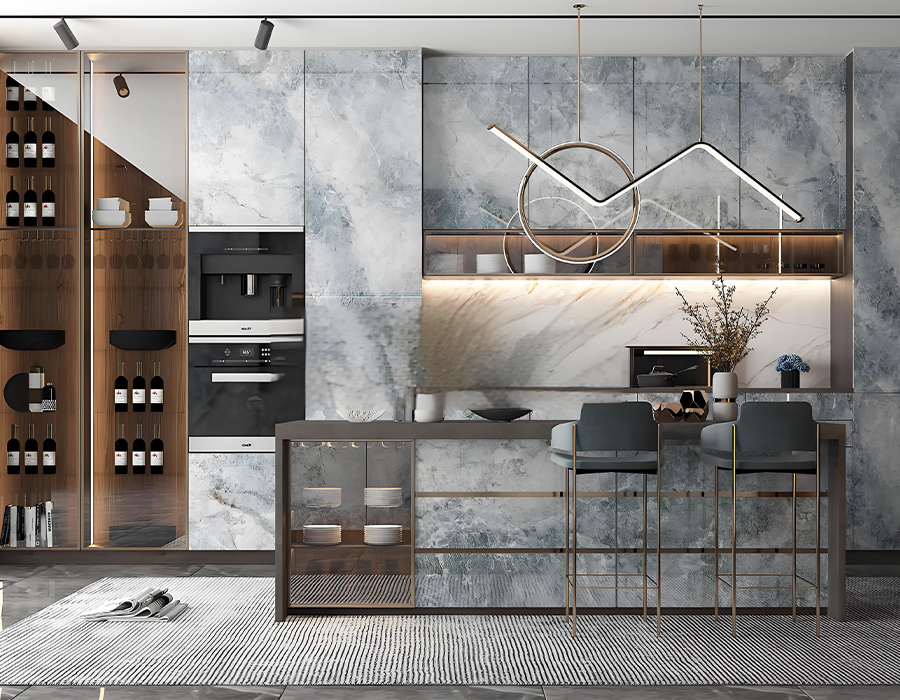 What Are the Key Benefits of Using PEC Wall Panels in Prefabricated Kitchen Pods?
Introduction: Revolutionizing Kitchen Construction with Integrated Solutions The construct...
READ MORE -
 What Are the Key Benefits of Using PEC Wall Panels in Prefabricated Kitchen Pods?
1. Introduction In modern construction and interior design, walls are no longer just for d...
READ MORE -
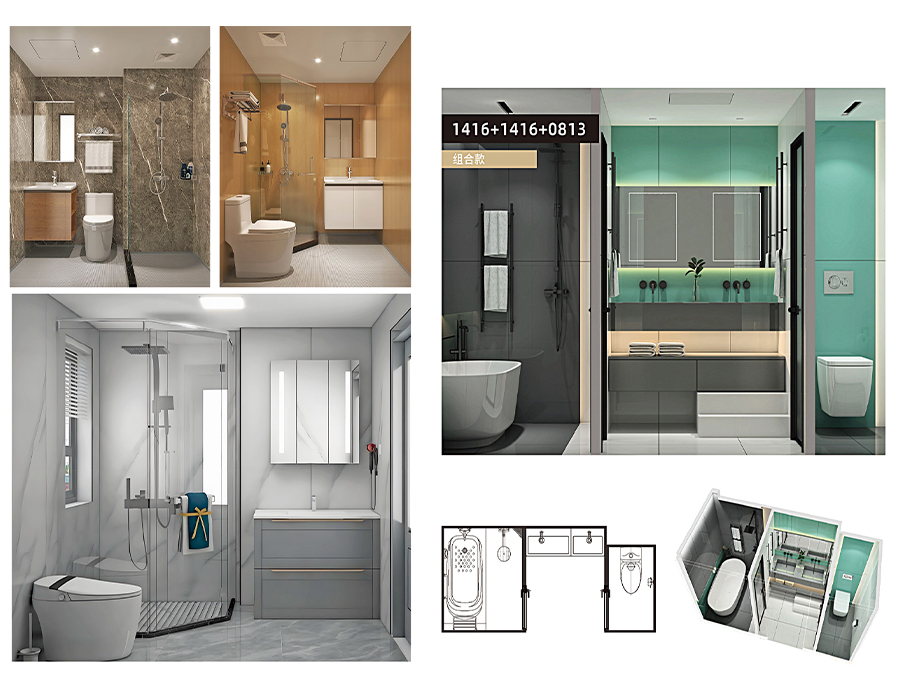 What Are the Key Benefits of Using PEC Wall Panels in Prefabricated Kitchen Pods?
Introduction The construction and interior design industries have witnessed a remarkable s...
READ MORE -
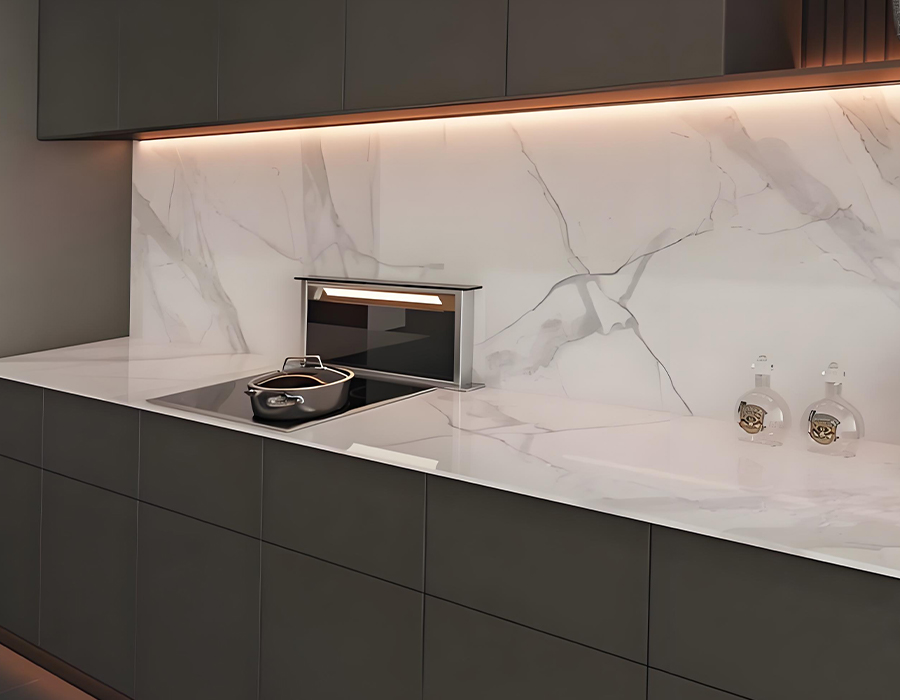 What Are the Key Benefits of Using PEC Wall Panels in Prefabricated Kitchen Pods?
What is a PEC Wall Prefabricated Kitchen and Why is it a Game-Changer? The modern housing ...
READ MORE



-
 16 Jul, 2026
 -
10 Jul, 2026
-
09 Jul, 2026
-
07 Jul, 2026
-
02 Jul, 2026
-
24 Jun, 2026

Copyright © 2025 Jiangsu Kounor Home Technology Co., Ltd.
All Rights Reserved.
Custom Prefabricated Restroom Building, Prefabricated Kitchenette Suppliers
