
 English
 русский
 عربى
عربىWhat is the best material for a prefabricated shower enclosure?
Understanding Prefabricated Shower Enclosures
Prefabricated shower enclosures have become an increasingly popular solution for both residential and commercial bathroom renovations. Unlike traditional tile-and-grout installations that require on-site construction over multiple days, prefabricated units arrive at the job site as pre-assembled or modular kits ready for quick installation. This category encompasses a broad range of products, from single-panel shower stalls to multi-component walk-in enclosures with integrated bases, walls, and drainage systems.
The primary appeal of these enclosures lies in their streamlined manufacturing process. Because each unit is fabricated in a controlled factory environment, quality control standards can be applied consistently across every panel, frame, and seal. Industry surveys indicate that prefabricated shower enclosures can reduce installation time by 40 to 60 percent compared to custom-built alternatives, translating into significant labor cost savings on larger projects such as hotels, apartment complexes, and multi-family housing developments.
Beyond time and cost efficiency, these units also offer predictability. Architects and contractors can specify exact dimensions, material grades, and finish options well in advance, minimizing the risk of on-site surprises. The waterproof integrity of a factory-sealed enclosure is inherently superior to one assembled from individual components, because bonding and sealing processes occur under optimal conditions with specialized equipment.
However, the performance, longevity, and aesthetic quality of any prefabricated shower enclosure are fundamentally determined by the materials used in its construction. Selecting the right material involves balancing multiple factors: water resistance, structural strength, ease of cleaning, visual appeal, thermal comfort, and budget. The following sections provide a detailed examination of each major material category, offering technical insights and practical guidance for specifiers, builders, and homeowners.
Why Material Selection Matters
The bathroom environment is one of the most demanding spaces within any building. Constant exposure to moisture, temperature fluctuations between hot showers and cooler ambient air, and regular contact with cleaning chemicals all place stress on shower enclosure materials. A material that performs admirably in a dry living room may degrade rapidly when subjected to these conditions.
Material choice affects not only durability but also user experience. The tactile feel of a shower wall, the clarity of a glass panel, the warmth of a composite surface under bare feet, and the visual coherence between the enclosure and surrounding tile or stone work all influence satisfaction. In commercial settings, material selection can impact maintenance budgets, replacement cycles, and even liability considerations related to glass breakage or slip hazards.
Furthermore, regulatory and building code requirements vary by region and application. Some jurisdictions mandate specific safety glazing standards for shower glass, while others impose restrictions on volatile organic compound emissions from synthetic materials. Understanding the material landscape is therefore not merely a matter of preference but a professional obligation for anyone involved in bathroom design or construction.
Tempered Glass
Tempered glass is widely regarded as the premium material choice for shower enclosure panels, doors, and partitions. The tempering process involves heating glass to approximately 600 degrees Celsius and then cooling it rapidly, a treatment that dramatically increases its strength compared to standard annealed glass. The resulting product is typically four to five times stronger than ordinary glass of the same thickness.
When tempered glass does break, it shatters into small, relatively harmless granular fragments rather than sharp shards, which is a critical safety feature in a wet environment where occupants may be barefoot. Most building codes in North America, Europe, and Australasia require safety glazing in shower applications, and tempered glass consistently meets or exceeds these requirements.
Types and Thicknesses
Shower enclosure glass is available in several configurations:
- Clear glass: Offers maximum transparency and a sense of openness, making it ideal for smaller bathrooms where visual space is at a premium.
- Low-iron glass: A premium variant with reduced iron content, resulting in exceptional clarity and minimal green tint, especially noticeable on thicker panels.
- Frosted or obscure glass: Surface treatments create a translucent effect that provides privacy while still allowing light transmission, suitable for shared or guest bathrooms.
- Patterned glass: Textured surfaces add decorative interest and can help mask water spots between cleanings.
Common thicknesses for shower enclosure panels range from 6mm to 12mm. Thinner panels (6mm to 8mm) are typically used for framed enclosures where the metal structure provides additional support. Frameless and semi-frameless designs generally require panels of 10mm or thicker to ensure adequate rigidity and resistance to flexing under the pressure of closing doors or incidental contact.
Protective Coatings
Many high-quality glass shower enclosures now incorporate surface coatings applied during or after manufacturing. These coatings serve two primary purposes: water repellency and stain resistance. A hydrophobic coating causes water to bead and roll off the surface rather than forming flat sheets that leave mineral deposits behind. Studies by glass coating manufacturers suggest that treated glass can reduce cleaning frequency by up to 50 percent, a meaningful benefit in both residential and high-traffic commercial settings.
Some coatings also provide resistance to soap scum, hard water stains, and even microbial growth, contributing to a more hygienic shower environment. The longevity of these coatings varies, with premium applications lasting several years before re-treatment may be necessary.
Advantages and Limitations
Tempered glass offers unmatched visual elegance, a virtually limitless range of design options, and excellent long-term durability when properly maintained. It does not harbor mold or mildew within its structure, and it can be recycled at end of life. However, it comes with a higher initial cost compared to synthetic alternatives, and its weight requires careful handling during shipping and installation. Heavy panels may also necessitate reinforced wall framing, particularly in renovation projects where existing structures were not designed to support such loads.
Acrylic and ABS Plastic
Acrylic and acrylonitrile butadiene styrene (ABS) are thermoplastic polymers extensively used in the manufacture of prefabricated shower enclosures, particularly for wall panels, shower bases, and complete one-piece units. These materials are prized for their lightweight nature, moldability, and cost-effectiveness, making them a staple in the affordable housing segment and in commercial projects where budgets are tightly controlled.
Material Properties
Acrylic sheets used in shower applications are typically 3mm to 5mm thick and are vacuum-formed or thermoformed into curved and angled shapes that would be difficult or impossible to achieve with glass. The material is inherently waterproof, non-porous, and resistant to the growth of mold and bacteria on its surface. ABS, often used for shower bases and structural backing layers, offers superior impact resistance and is less prone to cracking under stress compared to acrylic alone.
One of the most significant advantages of acrylic is its thermal insulation property. Unlike glass or metal, which feel cold to the touch, acrylic has a relatively low thermal conductivity. This means shower walls maintain a warmer surface temperature when exposed to hot water, enhancing user comfort, especially in cooler climates or during winter months.
Durability Considerations
While acrylic is durable under normal use, it is softer than glass and is susceptible to scratching from abrasive cleaning tools, jewelry, or contact with hard objects. Over time, micro-scratches can accumulate and create a dull appearance that is difficult to restore. Chemical sensitivity is another concern: certain solvent-based cleaners, acetone, and even some common household cleaning agents can cause crazing or surface discoloration.
UV exposure is also a factor for installations near windows or skylights. Prolonged direct sunlight can cause yellowing or embrittlement of acrylic over a period of years, although UV-stabilized formulations are available and are recommended for bathrooms with significant natural light exposure.
Installation and Weight Benefits
The lightweight nature of acrylic and ABS shower enclosures is a major practical advantage. A complete one-piece acrylic shower unit may weigh less than half the equivalent glass and tile assembly. This reduces shipping costs, simplifies handling on the job site, and allows installation by a single worker in many cases. It also means that existing floor structures are less likely to require reinforcement, a critical consideration in upper-story renovations or lightweight frame construction.
Fiberglass Reinforced Panels (FRP)
Fiberglass reinforced panels, commonly known by the abbreviation FRP, represent a middle ground between acrylic plastics and more rigid materials like glass or solid surface composites. FRP panels consist of a polyester resin matrix embedded with glass fibers, creating a composite material that combines the lightweight benefits of plastics with significantly enhanced strength and rigidity.
Construction and Performance
FRP shower panels are typically manufactured in thicknesses ranging from 2mm to 4mm, with multiple layers of woven fiberglass mat providing structural reinforcement. The surface layer is usually a smooth, gel-coated finish that provides water resistance and facilitates cleaning. Some FRP products feature embossed or textured surfaces designed to improve grip and reduce the visibility of water droplets and soap residue.
The fiberglass reinforcement gives these panels a stiffness that pure acrylic cannot match at comparable thicknesses. This means FRP panels resist bowing and warping, even over large spans, making them suitable for full-wall shower enclosures in both residential and institutional settings. FRP is also highly impact-resistant and can withstand accidental bumps from shower fixtures or cleaning equipment without cracking or chipping.
Common Applications
FRP shower panels are frequently specified in environments where durability and ease of maintenance are paramount and where aesthetic considerations, while important, are secondary to functional performance. Common application areas include:
- Hospital and healthcare facility patient bathrooms
- School and university dormitory shower rooms
- Military barracks and institutional housing
- Industrial locker rooms and gymnasium facilities
- Budget-conscious multi-family housing developments
In these settings, the ability to quickly and affordably replace a damaged panel is often more valuable than the premium visual appeal of glass. FRP panels can be cut to size on-site with standard woodworking tools, enabling custom fits in irregular bathroom layouts without the lead times associated with custom glass fabrication.
Limitations
Despite their practical advantages, FRP panels have some notable limitations. The gel-coat surface, while durable, can fade or discolor over time with prolonged exposure to harsh cleaning chemicals or UV light. The aesthetic range is more limited than glass or acrylic, with fewer options for transparency, pattern, or premium finishes. Additionally, FRP panels can develop hairline cracks at stress points such as corner joints or around fixture cutouts if not properly supported during installation.
Solid Surface and Engineered Composites
Solid surface materials and engineered composites represent the high end of the prefabricated shower enclosure market. These materials are typically composed of a blend of natural minerals (such as aluminum trihydrate or quartz), acrylic or polyester resins, and pigments, combined under high pressure and temperature to form dense, homogeneous panels with consistent color throughout their thickness.
Key Characteristics
The defining feature of solid surface materials is their non-porous structure. Unlike natural stone, which contains microscopic pores that can absorb water and harbor bacteria, solid surface panels are completely impervious to moisture penetration. This makes them exceptionally hygienic and easy to sanitize, a property that has made them popular in healthcare and hospitality environments.
These materials can be thermoformed into complex curves, seamlessly joined with color-matched adhesives to create monolithic wall surfaces without visible seams, and even repaired on-site if scratched or chipped. A skilled technician can sand out surface imperfections and restore the original finish, a level of reparability that is simply not possible with glass or FRP.
Weight and Structural Requirements
Engineered composite shower panels are notably heavy, with some products weighing 40 to 60 percent more than acrylic equivalents of the same dimensions. This weight necessitates robust wall framing and may require additional structural support in renovation projects. The panels must be firmly anchored to the wall substrate using mechanical fasteners and recommended adhesives to prevent shifting or separation over time.
Despite the weight penalty, the structural rigidity of solid surface panels allows them to span larger areas without intermediate supports, creating clean, uninterrupted wall surfaces that contribute to a premium bathroom aesthetic. The material also has excellent thermal mass properties, meaning it retains heat from shower water and feels warm to the touch, enhancing user comfort in a manner similar to acrylic but with greater perceived quality.
Metal Frames and Structural Components
While glass, acrylic, FRP, and solid surface materials form the visible surfaces of shower enclosures, the metal frames and structural components that hold these panels in place play an equally important role in the overall performance and longevity of the unit. Frame material selection affects structural integrity, corrosion resistance, aesthetic coherence, and maintenance requirements.
Aluminum
Aluminum is the most commonly used frame material for prefabricated shower enclosures. Its combination of light weight, inherent corrosion resistance, and ease of extrusion into complex profiles makes it ideally suited to this application. Aluminum frames are typically anodized or powder-coated to enhance surface durability and provide a range of finish options, including brushed nickel, chrome, matte black, and custom colors.
Anodized aluminum frames offer excellent resistance to scratching and tarnishing, with the anodized layer becoming an integral part of the metal surface rather than a coating that can peel or flake. Powder-coated finishes provide even broader color options and a thick, durable surface layer that resists chipping, fading, and chemical exposure. Powder-coated aluminum frames can maintain their appearance for 15 to 20 years under typical bathroom conditions with minimal maintenance.
Stainless Steel
Stainless steel is used in applications where maximum durability and corrosion resistance are required, such as in marine environments, industrial facilities, or luxury installations where the material itself is part of the design statement. Grade 304 stainless steel provides excellent general-purpose corrosion resistance, while Grade 316 offers enhanced performance in environments with exposure to chlorides or salt air.
Stainless steel frames are heavier and more expensive than aluminum alternatives, and they require specialized welding and fabrication techniques. However, they offer unmatched longevity, with properly maintained stainless steel hardware capable of lasting the full lifecycle of a building without significant degradation.
Hardware and Hinges
The quality of hinges, handles, brackets, and mounting hardware is frequently overlooked in material selection discussions, yet these components are critical to the day-to-day performance of the enclosure. Low-quality hinges can develop play or squeaking within months of use, while premium hardware with sealed bearings and corrosion-resistant finishes can operate smoothly for decades. Specifiers should evaluate hardware load ratings, finish warranty terms, and replacement part availability when evaluating shower enclosure options.
Comparative Analysis of Key Materials
To assist specifiers and decision-makers in evaluating the trade-offs between different materials, the following table summarizes the performance characteristics of each major category across several critical criteria. Ratings are provided on a relative scale from low to high.
| Criteria | Tempered Glass | Acrylic / ABS | FRP Panels | Solid Surface |
| Water Resistance | Very High | High | High | Very High |
| Impact Resistance | Moderate | Moderate | High | High |
| Scratch Resistance | High | Low | Moderate | Moderate to High |
| Thermal Comfort | Low | High | Moderate | High |
| Aesthetic Range | Very High | Moderate | Low to Moderate | High |
| Initial Cost | High | Low | Low to Moderate | High |
| Weight | Heavy | Light | Light to Moderate | Heavy |
| Expected Lifespan | 20+ years | 10 to 15 years | 10 to 15 years | 20+ years |
This comparison reveals that no single material dominates across all evaluation criteria. The optimal choice depends on the specific priorities of each project, whether those priorities center on luxury aesthetics, budget constraints, durability demands, ease of installation, or occupant comfort.
Factors to Consider When Selecting a Material
Beyond the intrinsic properties of each material, several project-specific factors should influence the selection process. Taking a holistic view of these considerations helps ensure that the chosen material delivers satisfactory performance throughout the intended service life of the enclosure.
Budget and Total Cost of Ownership
It is essential to distinguish between initial purchase price and total cost of ownership. A glass enclosure may cost two to three times more upfront than an acrylic alternative, but its longer lifespan, lower maintenance requirements, and higher perceived value at resale may result in a lower total cost over a 20-year horizon. Conversely, for a speculative housing development with a target holding period of five to seven years, the lower upfront cost of acrylic or FRP may be the more rational economic choice.
Installation Environment
The physical conditions of the installation site can narrow material options significantly. Upper-story bathrooms with wood-frame floor structures may not be able to safely support the weight of heavy glass or solid surface enclosures without costly structural modifications. Retrofit projects in existing buildings may require lightweight materials that can be maneuvered through standard doorways and around tight corners. New construction with ground-floor bathrooms and reinforced slabs has far greater flexibility in material selection.
Maintenance Capacity
The level of maintenance that will realistically be performed should align with the material choice. Glass enclosures require regular cleaning to maintain their clarity and aesthetic impact, while FRP panels are more forgiving of occasional neglect. In facilities where janitorial staff are responsible for cleaning hundreds of shower units, low-maintenance materials that resist staining and do not require special cleaning products may deliver better real-world results than premium materials that demand careful upkeep.
Design Intent and User Expectations
The visual and tactile qualities of the shower enclosure material should be consistent with the overall design language of the bathroom and the broader building interior. A luxury hotel with natural stone floors and high-end fixtures would likely find acrylic or FRP panels incongruous, while a budget motel or student dormitory would find the cost of glass difficult to justify. Understanding the expectations of the end user, whether that user is a homeowner, a hotel guest, a hospital patient, or a gym member, is fundamental to making an appropriate material selection.
Environmental and Sustainability Considerations
Increasingly, architects, developers, and homeowners are considering the environmental impact of building material choices. Glass is fully recyclable and inert, but its manufacturing process is energy-intensive. Acrylic and ABS are petroleum-derived and are more difficult to recycle, though they can be reground and incorporated into lower-grade products. Solid surface materials vary in their recyclability depending on their specific resin composition. Some manufacturers now offer products with significant recycled content or that are certified under recognized environmental standards, providing additional differentiation for sustainability-focused projects.
Application-Specific Recommendations
Given the diversity of projects that incorporate prefabricated shower enclosures, the following application-specific guidance may help streamline the material selection process for common scenarios.
Residential Bathroom Renovations
For homeowner renovations where aesthetics and property value are primary concerns, tempered glass enclosures with aluminum or stainless steel frames are generally the recommended choice. The investment in glass pays dividends in visual appeal, durability, and buyer perception. For budget-conscious renovations, particularly in secondary bathrooms or guest suites, acrylic units offer a practical and attractive compromise.
Multi-Family and Apartment Projects
Large-scale residential developments benefit most from materials that balance cost, durability, and ease of installation. FRP panels with aluminum frames are a popular choice for apartment bathrooms, offering acceptable aesthetics at a competitive price point with minimal maintenance demands. For upscale apartment complexes targeting higher rental rates, tempered glass enclosures can differentiate the units and justify premium pricing.
Hospitality and Hotel Environments
Hotels must balance guest experience expectations against the realities of high turnover and frequent cleaning. Mid-range and business hotels often specify glass enclosures for their premium appearance, supplemented by protective coatings that reduce cleaning labor. Budget and extended-stay hotels may lean toward acrylic or FRP solutions that withstand heavy use and aggressive cleaning schedules without requiring frequent replacement.
Healthcare and Institutional Facilities
Healthcare environments prioritize hygiene, accessibility, and ease of maintenance above all other considerations. Solid surface materials are particularly well-suited to patient bathrooms, as their non-porous structure supports rigorous infection control protocols, their seamless joints eliminate crevices where contaminants could accumulate, and their reparability allows damaged surfaces to be restored without full panel replacement. FRP panels are also widely used in hospital staff and visitor showers where budget constraints are tighter.
Fitness Centers and Locker Rooms
High-traffic, high-moisture environments like gym showers demand materials that are exceptionally durable, easy to clean, and resistant to both physical impact and chemical exposure. FRP panels are a strong candidate in this context, offering excellent impact resistance and the ability to withstand frequent cleaning with commercial-grade disinfectants. Powder-coated aluminum frames provide the necessary structural support without the corrosion concerns that could affect lesser materials.
Maintenance Best Practices by Material
Regardless of the material chosen, proper maintenance is essential to maximize the service life and visual performance of any prefabricated shower enclosure. The following guidelines outline recommended practices specific to each material category.
Glass Enclosures
- Clean glass panels at least once per week using a non-abrasive glass cleaner or a solution of warm water and mild dish soap.
- Use a soft microfiber cloth or squeegee to remove water droplets after each shower use to prevent hard water spot formation.
- Avoid abrasive pads, steel wool, or scouring powders that can scratch the glass surface or damage protective coatings.
- Inspect door hinges and rollers quarterly, lubricating moving parts with a silicone-based lubricant as needed.
- Re-apply hydrophobic coating every two to three years for enclosures equipped with factory-applied water-repellent treatments.
Acrylic and ABS Enclosures
- Use only non-abrasive, pH-neutral cleaners specifically formulated for acrylic surfaces.
- Avoid ammonia-based products, bleach, acetone, and solvent-based cleaners that can cause crazing or surface deterioration.
- Use a soft sponge or cloth for routine cleaning, never scrubbing pads or stiff brushes.
- Address scratches promptly with a specialized acrylic polishing compound to prevent them from becoming dirt accumulation points.
- Ensure adequate ventilation in the bathroom to minimize prolonged humidity exposure that could accelerate material degradation over time.
FRP Panels
- Clean FRP surfaces with a general-purpose non-abrasive cleaner and a soft cloth or sponge.
- Inspect sealed joints and corners regularly for signs of separation or adhesive failure, re-caulking as necessary.
- In commercial settings with heavy use, establish a scheduled deep-cleaning protocol that includes inspection of all panel fasteners and support brackets.
Solid Surface Enclosures
- Solid surface panels can be cleaned with most standard bathroom cleaners, but avoid prolonged exposure to strong solvents or bleach.
- Minor scratches and stains can be removed with fine-grit abrasive pads or polishing compounds designed for solid surface materials.
- For deeper scratches or chips, consult a professional solid surface repair technician who can restore the surface to its original condition.
Frequently Asked Questions
Q1: How long do prefabricated shower enclosures typically last?
The lifespan of a prefabricated shower enclosure depends heavily on the materials used and the level of maintenance provided. Glass and solid surface enclosures can last 20 years or more when properly maintained. Acrylic and FRP enclosures typically have a service life of 10 to 15 years, though this can be extended with careful cleaning and timely repairs to seals and hardware.
Q2: Are prefabricated shower enclosures truly waterproof, or will they eventually leak?
When manufactured and installed correctly, prefabricated shower enclosures are designed to be fully waterproof. Factory-assembled seals and bonded joints generally provide superior water resistance compared to on-site construction. However, the integrity of seals at the floor-wall junction and around plumbing penetrations depends on proper installation. Periodic inspection of caulking and sealant is recommended to address any degradation before leaks develop.
Q3: Can a prefabricated shower enclosure be installed by a homeowner, or is professional installation required?
Lightweight acrylic and FRP shower enclosures can often be installed by competent DIY homeowners, especially one-piece or two-piece units that simply require positioning, leveling, and connecting to existing plumbing. However, heavy glass enclosures, units requiring wall-mounted panels, and installations involving structural modifications should be performed by experienced professionals to ensure safety and warranty compliance.
Q4: What is the most affordable material for a prefabricated shower enclosure?
Acrylic and ABS plastic enclosures are generally the most affordable options, followed closely by FRP panels. These materials offer the lowest per-unit cost and the simplest installation requirements, making them popular choices for budget-conscious projects and high-volume applications where many identical units are needed.
Q5: Is tempered glass safe for households with young children or elderly occupants?
Yes, tempered glass is specifically designed for safety. If broken, it shatters into small, blunt-edged pieces rather than dangerous shards. Many glass shower enclosures also incorporate additional safety features such as rounded edges, stabilizing bars, and low-threshold bases to reduce tripping hazards. For households with mobility concerns, selecting an enclosure with grab bars and a walk-in design is advisable regardless of the wall material used.
Q6: Can prefabricated shower enclosures be customized to fit non-standard bathroom dimensions?
Many manufacturers offer customization options, though the degree of flexibility varies by material and product line. FRP and acrylic panels can often be cut or trimmed on-site to accommodate irregular spaces. Glass enclosures can be custom-fabricated to specific dimensions, though this typically involves longer lead times and higher costs. Modular systems with adjustable frame components offer another approach to fitting non-standard layouts.
-
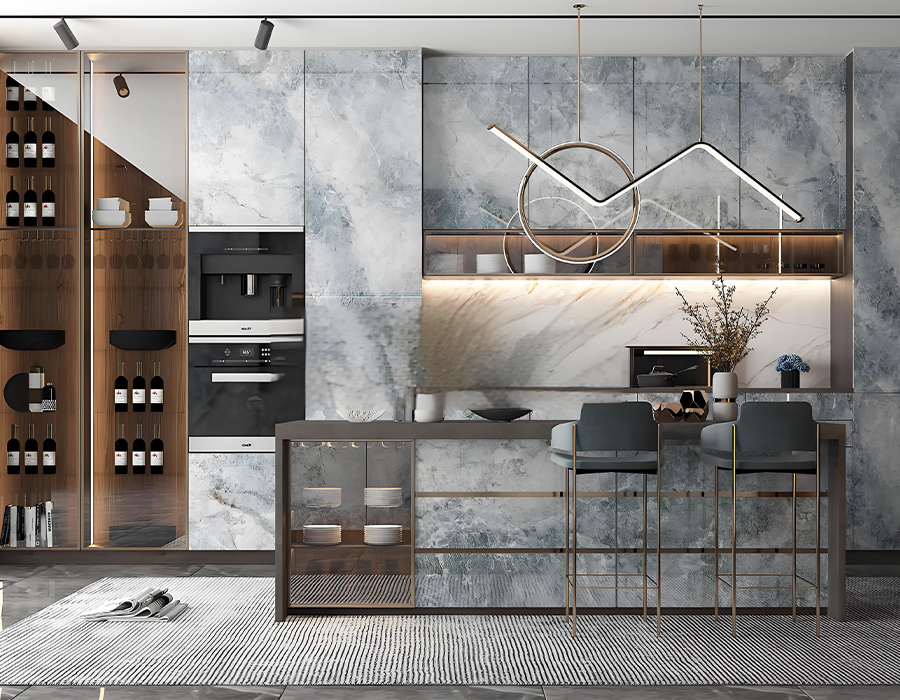 What Are the Key Benefits of Using PEC Wall Panels in Prefabricated Kitchen Pods?
Introduction: Revolutionizing Kitchen Construction with Integrated Solutions The construct...
READ MORE -
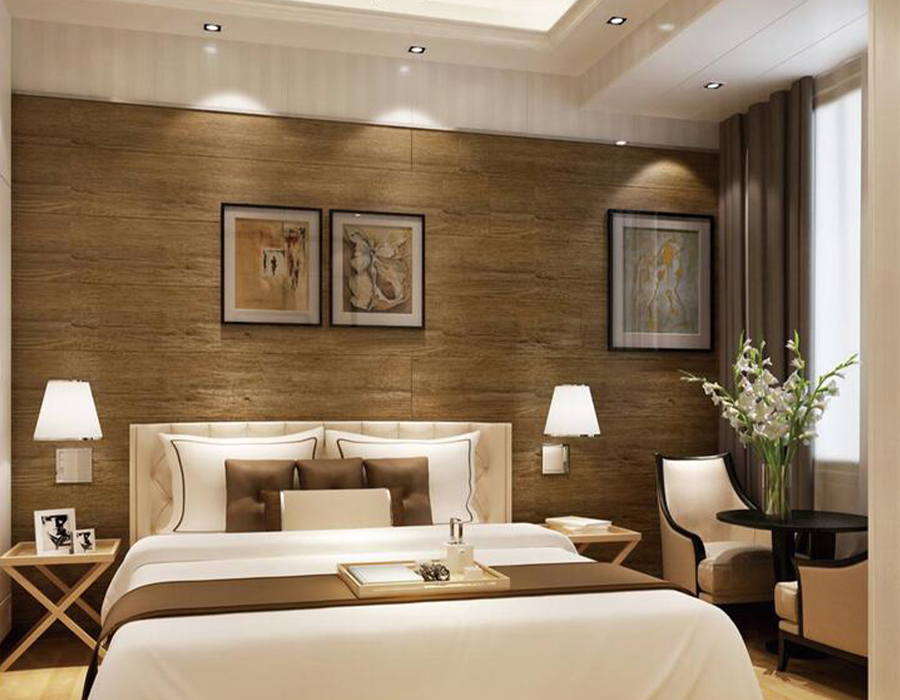 What Are the Key Benefits of Using PEC Wall Panels in Prefabricated Kitchen Pods?
1. Introduction In modern construction and interior design, walls are no longer just for d...
READ MORE -
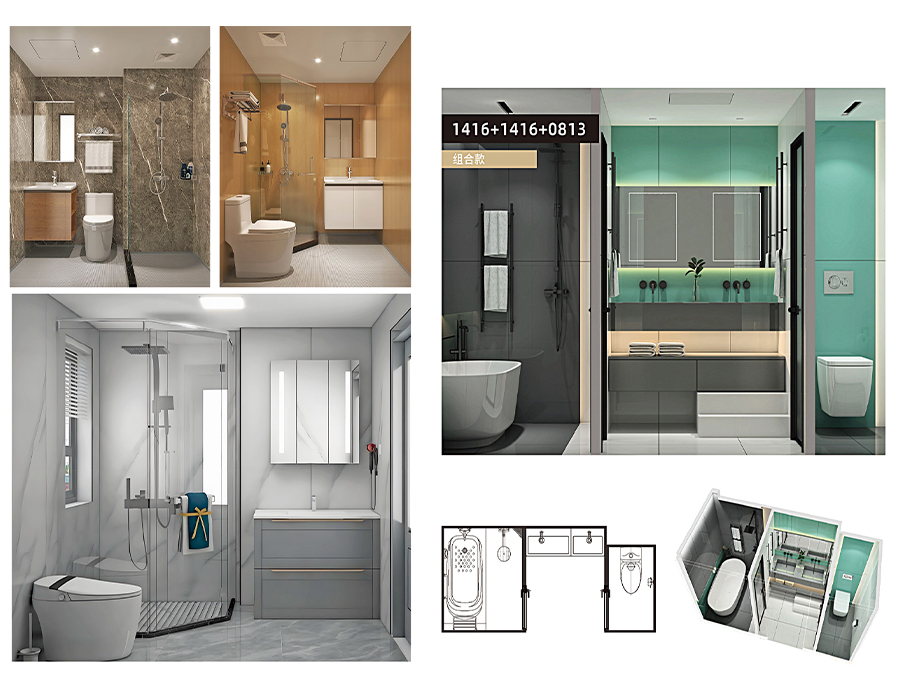 What Are the Key Benefits of Using PEC Wall Panels in Prefabricated Kitchen Pods?
Introduction The construction and interior design industries have witnessed a remarkable s...
READ MORE -
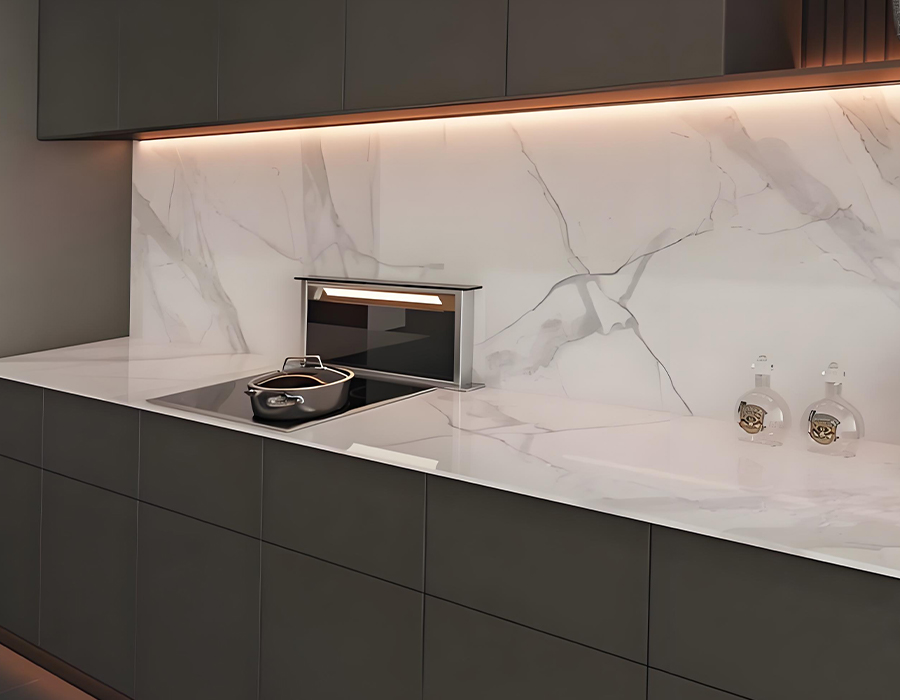 What Are the Key Benefits of Using PEC Wall Panels in Prefabricated Kitchen Pods?
What is a PEC Wall Prefabricated Kitchen and Why is it a Game-Changer? The modern housing ...
READ MORE


-
 16 Jul, 2026
 -
10 Jul, 2026
-
09 Jul, 2026
-
07 Jul, 2026
-
02 Jul, 2026
-
24 Jun, 2026

Copyright © 2025 Jiangsu Kounor Home Technology Co., Ltd.
All Rights Reserved.
Custom Prefabricated Restroom Building, Prefabricated Kitchenette Suppliers
