
 English
 русский
 عربى
عربىWhat is included in an all-in-one integrated shower room kit?
The Evolution and Definition of Modular Showering Systems
The landscape of interior architecture and bathroom design has undergone a significant transformation over recent decades. Traditionally, constructing a bathing space required the meticulous coordination of multiple specialized tradespeople. Plumbers, tilers, electricians, and glass installation specialists all had to work sequentially within a confined space. This highly fragmented construction approach routinely led to extended project timelines, miscommunications between contractors, and escalating labor costs. Furthermore, traditional tiled enclosures inherently rely on the integrity of grout lines and chemical waterproofing membranes. Over time, building settlement and continuous thermal expansion often compromise these barriers, leading to severe structural water damage, persistent mold proliferation, and costly remediation efforts.
The architectural engineering response to these systemic construction challenges has been the development of modular, freestanding bathing environments. These engineered systems are manufactured off-site in controlled facility environments, ensuring precise tolerances and stringent quality control that field-built constructions struggle to match. A fully realized version of this concept eliminates the reliance on porous building materials entirely. Instead of adhering tiles to a wall, these systems utilize interlocking panels and pre-fabricated trays that fundamentally prevent water from interacting with the surrounding building infrastructure.
To understand the scope of this modern solution, one must examine the comprehensive nature of the components provided. When selecting an all-in-one integrated shower room, professionals and property developers are acquiring a complete, self-contained micro-environment. These packages arrive disassembled but contain absolutely every physical component required to construct a fully functioning, watertight, and feature-rich bathing space. From the foundational support structures to the advanced hydrotherapy delivery systems, the kit is designed to transform an empty room corner into a highly sophisticated installation with minimal site preparation.
This detailed technical overview will dissect every distinct component, system, and hardware piece included within these comprehensive kits. By examining the materials, functional purposes, and engineering principles behind each inclusion, industry professionals can better appreciate the complex orchestration of parts that make these modular units a superior choice for modern residential and commercial property development. The subsequent sections will break down the foundational, structural, plumbing, and technological elements that comprise these complete packages.
The Foundational System: Trays and Leveling Bases
Sanitary Grade Acrylic Receptacles
At the absolute core of any freestanding cabin kit is the foundational base tray, also referred to as the shower pan. This component bears the entire dynamic weight of the user and the static weight of the structural walls. Modern kits predominantly utilize sanitary-grade acrylic for this critical piece. Acrylic is highly favored because it is completely non-porous, highly resistant to staining, and inherently warm to the touch compared to traditional ceramic or enameled cast iron. The surface is strategically molded during the manufacturing process to include a subtle gradient. This engineered slope ensures that wastewater flows efficiently toward the central or offset drainage port, eliminating standing water which could lead to bacterial accumulation.
Beneath the visible acrylic surface lies a sophisticated reinforcement system. A thin layer of acrylic alone cannot support human weight without flexing or ultimately fracturing. Therefore, manufacturers apply multiple layers of fiberglass bonded with durable resins to the underside of the tray. This composite reinforcement dramatically increases the tensile strength and rigidity of the base. In premium kits, an encapsulated wooden or composite high-density board is integrated into the resin matrix. This core reinforcement ensures that the floor feels entirely solid underfoot, completely eliminating the hollow, flexing sensation associated with inferior plastic fixtures.
Adjustable Steel Support Framework
Directly attached to the fiberglass-reinforced underside of the tray is a robust framework, typically constructed from galvanized or stainless steel tubing. This sub-frame is crucial because floor surfaces in residential and commercial buildings are rarely perfectly level. The steel framework is equipped with multiple threaded, adjustable leveling feet. During installation, technicians use these threaded legs to independently raise or lower specific sectors of the base. Achieving a perfectly level foundation is an absolute prerequisite; if the base is not perfectly horizontal, the vertical glass panels will not align correctly, the doors will fail to close, and the fundamental watertight integrity of the entire unit will be compromised.
Furthermore, the elevation provided by this steel framework creates a vital cavity between the bottom of the tray and the subfloor of the building. This gap is specifically designed to accommodate the necessary drainage plumbing, specifically the waste trap and the flexible evacuation pipe. By raising the unit off the floor, these kits can be installed in locations where burying drainage pipes into a concrete slab is structurally impossible or prohibitively expensive, such as in basement renovations or high-rise apartment conversions.
Structural Integrity: Framework and Back Panels
Extruded Aluminum Profiling
The skeletal structure of the modular unit relies heavily on a network of extruded aluminum profiles. These metal tracks and vertical uprights are engineered to interlock securely, creating a rigid chassis that holds all the glass and composite panels in their correct spatial orientations. Aluminum is the industry standard material for this application due to its exceptional strength-to-weight ratio and its natural resistance to oxidative corrosion in highly humid environments. The extrusion process allows manufacturers to create complex cross-sectional shapes that feature dedicated channels for glass insertion, sealing gaskets, and concealed fastening hardware.
These aluminum profiles undergo advanced surface finishing treatments to enhance both their durability and aesthetic appeal. Common treatments include anodizing, which thickens the natural oxide layer of the metal to provide a highly durable, scratch-resistant surface. Alternatively, powder coating processes are utilized to apply a permanent, baked-on color finish, frequently in contemporary shades such as matte black, brushed nickel, or pristine white. These finishes ensure that the structural framework remains impervious to the degrading effects of moisture, soap scum, and routine cleaning agents over decades of daily use.
Opaque Back Walls and Central Columns
A defining characteristic of a fully integrated kit is the inclusion of solid back panels. Unlike basic enclosures that leave the existing bathroom wall exposed to moisture, a complete cabin provides its own rear walls, creating a completely closed ecosystem. These back panels are most frequently constructed from tempered safety glass that has been painted or coated on the reverse side to render it completely opaque. Common colors include deep black, reflective white, or subtle mirrored finishes. This opacity serves a critical dual purpose: it provides a visually clean interior environment while simultaneously concealing the complex network of plumbing hoses, electrical wiring, and junction boxes located behind the unit.
Positioned centrally between the back wall panels is typically a dedicated functional column or control tower. This specific structural element is engineered to house the heaviest and most complex interactive components of the system. The central column serves as the mounting point for the mixing valves, the hydrotherapy body jets, the digital interface panels, and the integrated storage shelving. By consolidating these functional elements into a single, highly reinforced vertical column, manufacturers simplify the internal plumbing and electrical routing, making both the initial installation and any future maintenance significantly more straightforward and localized.
Access Systems: Front Glazing and Door Mechanisms
Tempered Safety Glass Specifications
The front enclosure and access doors of the kit are universally manufactured from tempered safety glass. The tempering process involves heating the glass to extreme temperatures and rapidly cooling it, creating high internal tension. This process renders the glass several times stronger than standard annealed glass. More importantly, in the highly unlikely event of a catastrophic impact, tempered glass is designed to shatter into thousands of small, relatively blunt granular chunks rather than hazardous, jagged shards. The thickness of the glass provided in these kits is a primary indicator of overall quality, typically ranging between five and eight millimeters. Thicker glass provides a more substantial, premium feel when operating the doors and significantly reduces structural vibration during operation.
To further enhance the longevity and usability of the transparent panels, high-end kits often feature specialized hydrophobic surface coatings applied directly at the factory. These chemical treatments bond with the microscopic pores of the glass surface, creating an incredibly smooth, water-repellent barrier. Consequently, water droplets naturally bead up and roll off the surface rather than evaporating in place. This dramatically reduces the accumulation of hard water stains, calcium deposits, and soap residue, thereby minimizing the frequency and labor intensity of routine cleaning required by the end user.
Sliding and Articulating Door Hardware
The mechanisms used to open and close the cabin are highly engineered components designed for fluid operation and watertight sealing. The most common configuration in these kits is the sliding door system, which is highly valued for its space-saving characteristics. Sliding doors operate on a system of specialized runner wheels or rollers. These rollers are typically constructed with brass or stainless steel internal bearings encased in a durable nylon or Teflon outer wheel. This combination ensures smooth, silent gliding along the curved or straight aluminum track profiles. Premium kits feature quick-release bottom rollers, a mechanism that allows the user to temporarily detach the bottom of the door from the track, granting full access to the channel for thorough cleaning.
For pivoting or hinged door configurations, the kits include heavy-duty metal hinges designed to support the substantial weight of thick tempered glass. Regardless of the door style, the sealing system is paramount. The kits include specialized magnetic weather-stripping that attaches to the leading edges of the glass doors. When the doors are brought near each other, the magnetic strips forcefully pull together, creating a positive, continuous seal that absolutely prevents water from escaping the enclosure. Additional transparent vinyl sweep gaskets are installed along the bottom edges of the doors to deflect cascading water back inward toward the central drainage tray.
Core Plumbing: Valves, Mixers, and Distribution
Thermostatic and Manual Mixing Valves
The control center for water temperature and flow is the mixing valve assembly, heavily integrated into the central column. These complete kits include the entire valve body, entirely removing the need to purchase rough-in plumbing hardware separately. Advanced kits prioritize thermostatic mixing valves over basic manual configurations. A thermostatic valve utilizes an internal paraffin wax cartridge that expands and contracts in rapid response to fluctuations in the incoming hot and cold water supplies. If a toilet is flushed elsewhere in the building, causing a sudden drop in cold water pressure, the thermostatic cartridge instantly adjusts the mix to maintain a constant, safe output temperature, thereby completely eliminating the risk of sudden thermal shock or scalding injuries.
The internal mechanics of these valves rely on high-precision ceramic disc technology. Unlike older rubber washer designs that inevitably degrade, harden, and leak over time, ceramic discs are fired to a hardness approaching that of diamonds. Two polished ceramic plates slide against one another to precisely control the volume of water passing through the valve. This highly durable mechanism ensures decades of smooth, drip-free operation with minimal physical resistance required when turning the control knobs.
The Diverter Mechanism and Water Routing
Because these integrated units feature multiple distinct water delivery zones, a robust diverter valve is a mandatory inclusion. The diverter is typically positioned directly above the temperature mixing valve on the control column. By rotating this specific dial, the user dictates the precise destination of the mixed water. The diverter mechanism utilizes a multi-port internal manifold to seamlessly switch the water flow between the large overhead rainfall canopy, the flexible handheld wand, the specialized therapeutic body massage jets, or an integrated foot massager if included.
Behind the opaque back panels, all these internal connections are facilitated by high-pressure, braided stainless steel flex hoses or heavy-duty reinforced thermoplastic tubing. These hoses are pre-measured, pre-cut, and pre-attached to the distribution manifold at the factory using heavy-duty brass compression fittings. By pre-assembling this complex web of water routing hoses, manufacturers dramatically reduce the likelihood of installation errors and internal leaks, ensuring that the critical plumbing infrastructure is robust, secure, and ready for connection to the building's main supply lines.
Primary and Secondary Water Delivery Systems
The Overhead Monsoon Canopy
The focal point of the bathing experience in a premium kit is the overhead water delivery system, frequently characterized as a monsoon or rainfall canopy. Unlike traditional wall-mounted arms, this component is structurally integrated directly into the molded ceiling cap of the modular unit. The overhead shower face is typically characterized by a large surface area, designed to completely envelop the user in a steady, vertical cascade of water, simulating natural rainfall. This widespread dispersion of water provides a highly immersive and relaxing thermal experience compared to highly pressurized, narrow spray patterns.
The manufacturing of these overhead canopies utilizes sophisticated materials to combat the inevitable issue of mineral scaling. The individual water nozzles are constructed from highly elastic, medical-grade silicone. When municipal water supplies contain high levels of calcium and magnesium, these minerals naturally crystallize and block water passages over time. With silicone nozzles, the user can simply rub their hand across the surface of the showerhead while the water is running. The friction and flexibility of the silicone easily dislodge the hardened mineral deposits, instantly restoring perfect water flow without the need for harsh chemical descaling agents or complex disassembly.
The Handheld Wand and Flexible Hose
Complementing the static overhead system is a highly versatile, secondary water delivery mechanism: the handheld wand. This component is essential for tasks requiring targeted water application, such as rinsing specific areas of the body, bathing pets, or effectively rinsing down the interior walls of the cabin during routine cleaning procedures. The kit includes the wand itself, which often features an internal dial allowing the user to select multiple distinct spray patterns, ranging from a fine, atomized mist to a concentrated, pulsating massage stream.
Connecting the handheld wand to the primary water manifold is a long, highly flexible hose. High-quality kits provide hoses constructed from an interlocking double-spiral stainless steel outer casing over a reinforced internal synthetic tube. This interlocking metal design guarantees maximum flexibility while completely preventing the hose from kinking, twisting, or collapsing under high water pressure. Furthermore, a dedicated, height-adjustable mounting bracket or sliding rail is included, securely fastened to the central column, allowing the user to park the wand at a convenient height when not in active use.
Therapeutic Additions: Body Jets and Massage Systems
Directional Hydrotherapy Nozzles
A distinguishing feature that separates a comprehensive modular cabin from a standard bathing enclosure is the inclusion of dedicated hydrotherapy body jets. These specialized nozzles are geometrically arranged along the vertical axis of the central control column, specifically targeted to align with key musculoskeletal zones of an average adult, such as the upper shoulders, the middle thoracic spine, and the lower lumbar region. When activated via the diverter valve, these jets deliver highly pressurized, concentrated streams of water designed to physically manipulate soft tissue, stimulate localized blood circulation, and alleviate muscular tension and fatigue.
The physical design of these body jets allows for significant user customization. Each individual nozzle is typically mounted on an internal pivoting ball joint. This articulating mechanism permits the user to manually redirect the trajectory of each specific jet stream by several degrees in any direction. Therefore, regardless of the user's specific height or unique physiological requirements, the therapeutic impact of the water can be precisely calibrated to strike the exact areas requiring massage therapy. Like the overhead canopy, these jet faces are heavily integrated with anti-calcification silicone tips to ensure long-term, uninhibited performance.
Specialized Foot Massage Appendages
In addition to back and shoulder hydrotherapy, many comprehensive kits include a dedicated, physically removable foot massage apparatus. This component is typically connected to a specialized auxiliary port located near the base of the central column via a quick-disconnect flexible hose. The foot massager functions by utilizing the kinetic force of the water to spin internal mechanical rollers or by driving localized, high-pressure water jets upward against the soles of the user's feet.
When a user wishes to engage this feature, they simply place the device on the floor of the acrylic tray, sit on the integrated cabin seat, and rest their feet upon the textured surface of the unit. The application of targeted water pressure and mechanical friction to the densely enervated soles of the feet provides a profound reflexology benefit, further elevating the overall restorative capability of the cabin environment. When the session is completed, the unit is easily disconnected and stored away on an integrated shelf to maintain a clear standing area within the tray.
Technological Integration: Electrical and Digital Features
Digital Command Interfaces
The operational management of the various non-plumbing features within the kit is handled by a sophisticated, waterproof digital control panel. This interface is embedded directly into the central column at an ergonomically accessible height. The physical construction of the panel utilizes capacitive touch technology, entirely eliminating mechanical buttons or tactile switches. A completely flat, sealed glass or heavy-duty polycarbonate surface ensures that moisture, steam, and direct water spray cannot penetrate and damage the sensitive microprocessors located underneath.
Through this centralized digital hub, the user commands a multitude of integrated electrical systems. The panel allows for the activation and independent control of overhead lighting, extraction fans, internal audio systems, and the integrated steam generator if the model includes one. High-end interfaces feature high-visibility LED or LCD displays that provide real-time data feedback to the user, including the current internal cabin ambient temperature, the active duration of the bathing session, and the specific broadcast frequency of the integrated FM radio tuner.
Atmospheric Lighting and Audio Systems
To augment the sensory experience, these kits include fully integrated low-voltage lighting systems. The primary illumination is generally provided by a high-output, energy-efficient LED halo ring seamlessly built into the ceiling cap. Beyond basic illumination, advanced models incorporate complex chromotherapy systems. These utilize arrays of multi-colored RGB LEDs strategically positioned within the roof and along the central column. The user can use the digital control panel to select a specific static color or initiate a slow, automatic cross-fade program. This colored ambient light is designed to positively influence psychological mood, promoting either deep relaxation or energized revitalization depending on the selected spectrum.
Acoustic entertainment is another standard inclusion in the technological package. The kits feature sealed, marine-grade audio speakers securely mounted within the ceiling enclosure. These specialized speakers utilize totally impermeable polypropylene cones and heavy-duty rubber surrounds, ensuring that extreme humidity and direct water exposure do not degrade their acoustic performance. The digital control panel interfaces with a built-in FM receiver and, crucially, a wireless Bluetooth receiver. This connectivity allows users to safely stream personalized music, guided meditations, or daily news podcasts directly from their mobile devices, which remain completely safe and dry outside the wet zone.
Environmental Controls: Steam and Ventilation
Integrated Steam Generation Apparatus
In highly advanced modular kits, the transformative inclusion is a fully functional steam generation system, effectively converting the enclosure into a private, residential spa. The core of this system is a high-wattage electrical boiler, systematically mounted discreetly behind the opaque back panels or directly underneath the base tray structure. When the user initiates the steam function via the digital interface, a specialized solenoid valve opens, allowing a precisely measured volume of cold water to flow into the heated boiler chamber. The system rapidly brings this water to a boil, generating dense, therapeutic vapor.
This dense vapor is then forcibly expelled into the sealed cabin environment through a dedicated dispersion nozzle located near the bottom of the central column. Because the modular cabin features a completely enclosed roof cap and magnetically sealed doors, the steam is trapped within the unit, rapidly elevating the internal ambient temperature and achieving absolute maximum humidity levels in a matter of minutes. Many systems also include a specialized reservoir positioned near the steam outlet specifically designed to hold essential oils, allowing the vapor to disperse aromatherapeutic benefits throughout the enclosure seamlessly.
Active Air Extraction and Sterilization
To manage the intense humidity generated during operation, particularly during extended steam sessions, a robust active ventilation system is fundamentally necessary and included in the kit. Mounted securely into the ceiling panel is an electrically driven, moisture-resistant exhaust fan. This component is strategically utilized at the conclusion of a session to rapidly evacuate excess steam and moisture-laden air out of the enclosure. By actively drawing the damp air out of the sealed environment, the fan dramatically accelerates the drying process of the internal surfaces, significantly mitigating the environmental conditions required for mold and mildew proliferation.
To further support internal hygiene, specialized kits incorporate advanced ozone sterilization technology. Activated exclusively when the cabin is entirely empty of users, an internal generator creates and releases ozone gas throughout the sealed enclosure. Ozone is a highly unstable molecule that acts as a powerful, aggressive oxidizing agent. As it circulates, it breaks down the cellular walls of airborne and surface-dwelling bacteria, rendering the interior environment clinically sanitary without the application of harsh, manual chemical scrubbing.
Hardware, Organization, and Convenience Features
Integrated Seating and Ergonomics
To fully utilize the extended therapeutic benefits of steam generation and targeted hydrotherapy jets, the user must be able to comfortably remain inside the cabin for prolonged durations. Therefore, functional seating is a mandatory inclusion. Depending on the physical footprint of the specific model, this seating takes two primary forms. In larger units, the acrylic base tray is specifically molded during manufacturing to include a solid, raised corner seat. This integrated approach ensures massive weight capacity and completely seamless visual integration with the rest of the tray.
In more compact, space-saving designs where a molded seat would obstruct standing movement, the kit provides a heavy-duty, articulating fold-down seat. This component features a sturdy, water-resistant seating surface, typically constructed from dense synthetic resin or treated teak wood, attached to a highly robust stainless steel bracket. This bracket is heavily anchored directly into the structural framework of the central column. The user can effortlessly fold the seat down for resting during a steam session and smoothly pivot it back flush against the wall when unrestricted standing space is required.
Shelving, Mirrors, and Fluid Dispensers
Practicality and organization are deeply considered in the design of these complete kits. To accommodate the necessary array of personal bathing products, the package includes dedicated internal shelving solutions. These are universally constructed from thick, polished glass panels supported by anti-corrosive brass or stainless steel retaining brackets. The inclusion of retaining rails physically prevents wet, slippery bottles from vibrating off the shelves and damaging the acrylic tray below.
Furthermore, almost all kits include a built-in mirror, precisely mounted onto the solid back panels. These mirrors are invaluable for users who perform grooming tasks such as shaving while bathing. To combat the inevitable issue of condensation, premium models interlink the mirror with the unit's electrical system, incorporating an ultra-thin, low-voltage heating pad directly behind the reflective surface. When activated, this pad subtly warms the glass, completely preventing steam from condensing and ensuring the mirror remains perfectly clear and usable regardless of the internal humidity level.
Data Summary and Component Lists
To concisely summarize the extensive array of components and materials discussed, the following tables and lists provide a clear, technical overview of what a professional installation team will unpack from a standardized all-in-one kit delivery.
| System Category | Included Components | Primary Materials |
| Foundation & Base | Molded Tray, Leveling Legs, Waste Trap | Acrylic, Fiberglass, Galvanized Steel |
| Structural Enclosure | Wall Tracks, Uprights, Glass Panels, Roof Cap | Extruded Aluminum, Tempered Glass, ABS Plastic |
| Plumbing Infrastructure | Mixing Valve, Diverter, Braided Hoses, Manifold | Solid Brass, Ceramic Discs, Stainless Steel, PVC |
| Water Delivery | Overhead Canopy, Handheld Wand, Body Jets | Thermoplastic, Silicone Nozzles, Chrome Plating |
| Electrical & Tech | Control Panel, LED Rings, Fan, Speaker | Polycarbonate, Copper Wiring, Polypropylene |
Essential Installation Hardware Included
- Comprehensive sets of stainless steel assembly screws and machine bolts.
- Pre-cut length magnetic door seals and translucent water deflection sweeps.
- Flexible, expandable PVC drainage hose for connecting the tray to floor waste.
- Hot and cold braided connection hoses featuring standard half-inch threaded fittings.
- Rubberized compression gaskets for sealing all glass-to-metal and plumbing interfaces.
Installation Pre-requisites and Assembly Principles
Site Preparation and Utility Rough-ins
Despite the comprehensive nature of the kit itself, successful deployment relies heavily on precise preliminary site preparation. The physical space must be measured meticulously to ensure sufficient clearance, not just for the final footprint of the unit, but also to allow technicians to maneuver behind the cabin during the final assembly and connection phases. The plumbing rough-ins must be established prior to assembly. This requires a dedicated hot and cold water supply line terminating behind the intended location of the central column. These lines must be equipped with localized isolation valves, allowing water to be shut off strictly to the cabin without disrupting the entire building's water supply.
Electrically, if the chosen kit features steam generation, high-output lighting, or integrated audio, a dedicated, appropriately rated electrical circuit is an absolute necessity. Because this appliance operates in a highly wet environment, the electrical supply must be strictly protected by a Residual Current Device or Ground Fault Circuit Interrupter. This crucial safety mechanism constantly monitors the electrical current; if it detects even a microscopic divergence indicating water interaction, it instantly severs the power supply, completely mitigating the risk of electric shock to the user.
The Modular Assembly Methodology
The physical construction of the kit follows a strict, sequential methodology. The process universally begins with the meticulous leveling of the foundational base tray, utilizing a spirit level across multiple axes to ensure absolute horizontal perfection. Once the foundation is secured, the structural framework is erected. The opaque rear glass panels and the central control column are attached to the base and mechanically secured to one another. It is at this intermediary stage that technicians connect the primary building utilities to the rear of the cabin, securing the hot and cold water hoses and establishing the sealed electrical connections.
Following successful utility integration, the front aluminum profiles and the fixed transparent glass panels are slotted into position. The molded roof cap is subsequently lowered onto the upper framework, effectively tying the entire vertical structure together into a rigid block. The final steps involve hanging the sliding or pivoting doors, attaching the internal accessory hardware such as shelving and mirrors, and ensuring all magnetic seals align flawlessly. A defining advantage of this assembly method is that it entirely eliminates the drying and curing times associated with tile grout and liquid waterproofing membranes, drastically compressing the total installation timeline.
Maintenance Protocols and System Longevity
Preserving Materials and Finishes
The long-term performance and aesthetic retention of these complex assemblies demand adherence to specific, routine maintenance protocols. The non-porous nature of the acrylic base tray and the tempered glass enclosures fundamentally reject the deep-seated mold growth that plagues traditional grout lines. However, to maintain optimal hygiene, surfaces should be regularly cleaned using exclusively non-abrasive, mild liquid detergents. The application of harsh scouring powders, abrasive sponges, or highly acidic chemical compounds will inevitably scratch the acrylic surface and rapidly degrade the protective hydrophobic coatings applied to the glass doors.
The dynamic mechanical components require occasional attention to ensure continuous smooth operation. The nylon and Teflon bearing rollers utilized in sliding door tracks should be periodically inspected for hair and debris entanglement, which can impede their rolling efficiency. Applying a minuscule amount of specialized silicone-based lubricant to the roller tracks annually will significantly prolong the lifespan of the bearings and maintain whisper-quiet door operation. Internal plumbing maintenance is largely restricted to manually manipulating the silicone nozzles on the overhead canopy and body jets to dislodge accumulated mineral scale, ensuring completely unimpeded water flow.
Steam System Decalcification
If the integrated kit includes a high-powered steam generator, additional specialized maintenance is mandatory, specifically in regions suffering from hard, heavily mineralized municipal water. As the internal boiler continuously evaporates water, it leaves behind dense, solid calcium and magnesium deposits within the heating chamber. Over time, these deposits will coat the heating element, drastically reducing its thermal efficiency and ultimately leading to premature component failure.
To combat this, advanced kits incorporate dedicated descaling access ports. Users are required to periodically introduce a specialized liquid descaling solution directly into the generator via this port. The system is then run through a specific, automated cleaning cycle that chemically dissolves the hardened scale and safely flushes the resulting liquid slurry out through the central drainage trap. Strict adherence to this routine descaling protocol is the single most critical factor in guaranteeing the multi-decade longevity of the integrated steam boiler system.
Frequently Asked Questions
Q1: Does a modular kit require professional installation?
A1: While the kits arrive pre-drilled and fully detailed with comprehensive assembly schematics, the sheer physical weight of the thick tempered glass panels and the critical nature of ensuring totally secure, watertight plumbing and safe, isolated electrical connections strongly dictate that deployment should be executed by licensed contractors, specifically qualified plumbers and certified electricians.
Q2: What happens if a specific electronic component fails?
A2: The modular nature of these assemblies means that practically every internal system is an independent, replaceable component. If a digital control panel, a specific LED lighting ring, or the internal ventilation fan experiences a mechanical failure, it can be disconnected from the central wiring harness and swapped out for a precise replacement part without requiring the disassembly or destruction of the entire structural cabin.
Q3: How does the unit manage wastewater drainage effectively?
A3: The included waste trap is secured directly to the engineered slope of the acrylic base tray. Because the tray is elevated on its adjustable steel framework, a flexible, expandable PVC pipe is attached beneath the trap. This flexible conduit channels the wastewater precisely into the existing, fixed floor drain of the building, providing immense flexibility regarding the exact positioning of the cabin relative to the rough plumbing.
Q4: Can the steam generator safely operate without a ventilation fan?
A4: Operating the steam boiler without adequate extraction is fundamentally discouraged. The integrated exhaust fan is an essential environmental control mechanism. While the cabin is engineered to trap vapor during use, that intense moisture must be forcefully evacuated afterward. Failing to engage the fan will leave the interior saturated, increasing drying times exponentially and creating an optimal environment for persistent microbial and fungal growth on the composite surfaces.
-
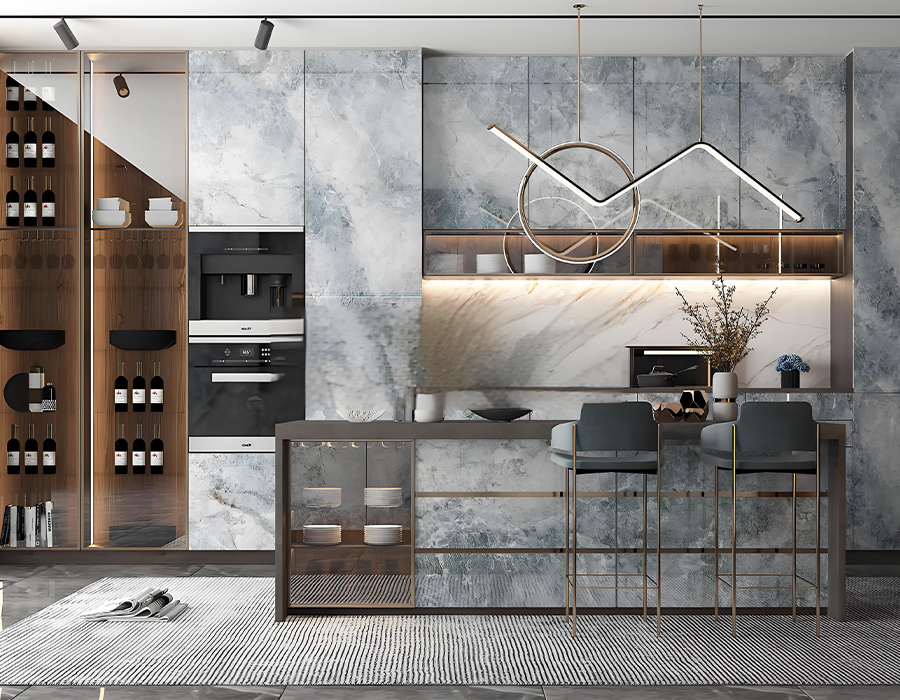 What Are the Key Benefits of Using PEC Wall Panels in Prefabricated Kitchen Pods?
Introduction: Revolutionizing Kitchen Construction with Integrated Solutions The construct...
READ MORE -
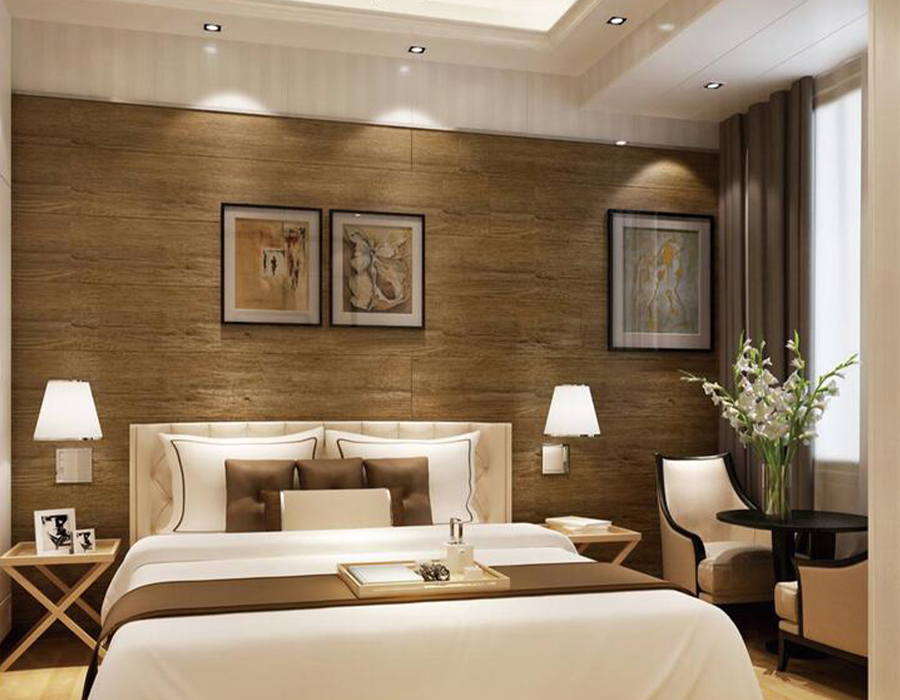 What Are the Key Benefits of Using PEC Wall Panels in Prefabricated Kitchen Pods?
1. Introduction In modern construction and interior design, walls are no longer just for d...
READ MORE -
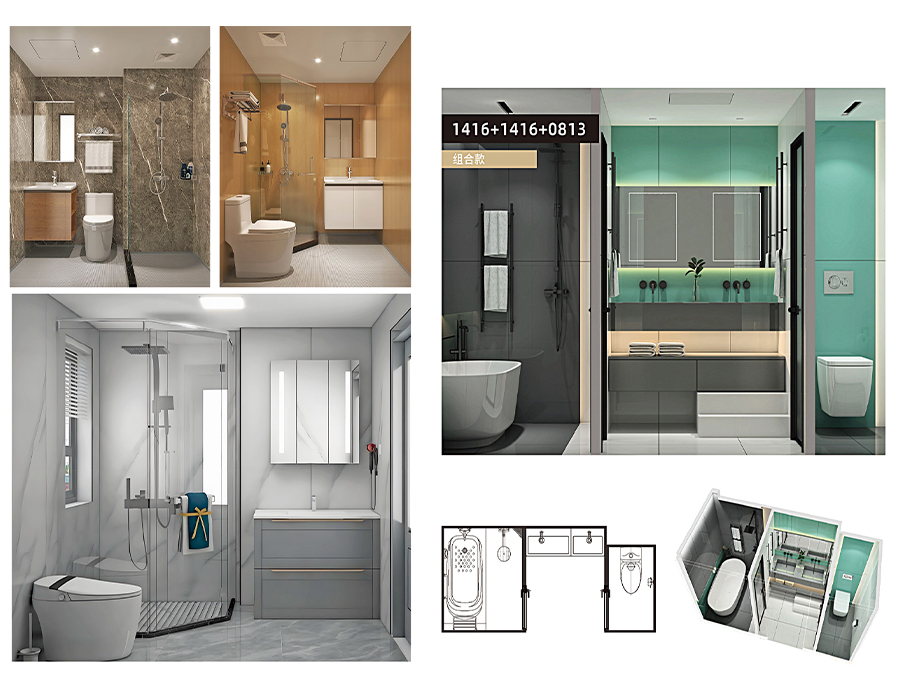 What Are the Key Benefits of Using PEC Wall Panels in Prefabricated Kitchen Pods?
Introduction The construction and interior design industries have witnessed a remarkable s...
READ MORE -
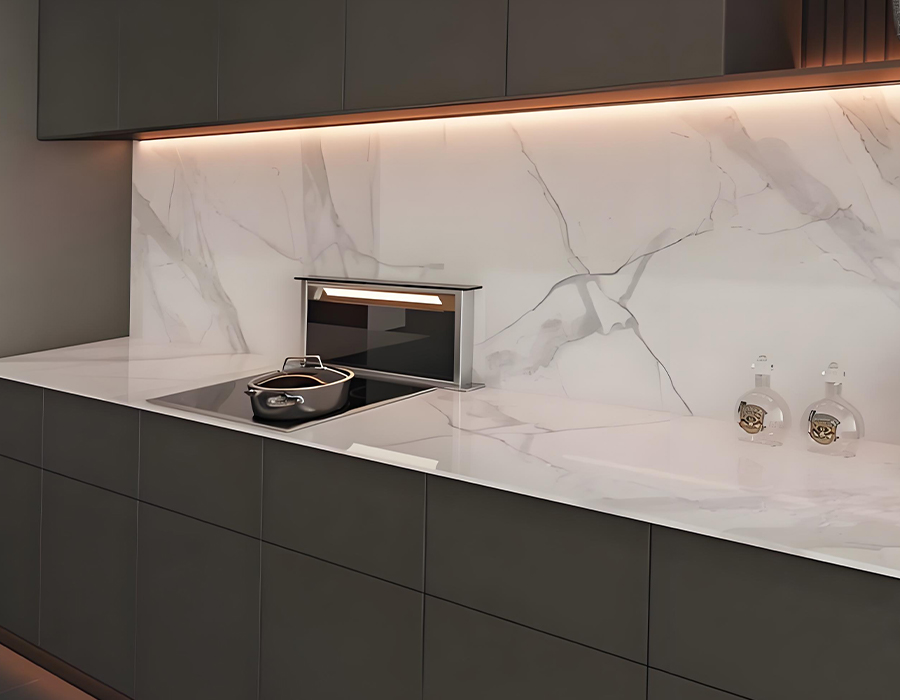 What Are the Key Benefits of Using PEC Wall Panels in Prefabricated Kitchen Pods?
What is a PEC Wall Prefabricated Kitchen and Why is it a Game-Changer? The modern housing ...
READ MORE


-
 16 Jul, 2026
 -
10 Jul, 2026
-
09 Jul, 2026
-
07 Jul, 2026
-
02 Jul, 2026
-
24 Jun, 2026

Copyright © 2025 Jiangsu Kounor Home Technology Co., Ltd.
All Rights Reserved.
Custom Prefabricated Restroom Building, Prefabricated Kitchenette Suppliers
